By Heather Cass, Publications Manager at Penn State Behrend and Run for Women 5K race director
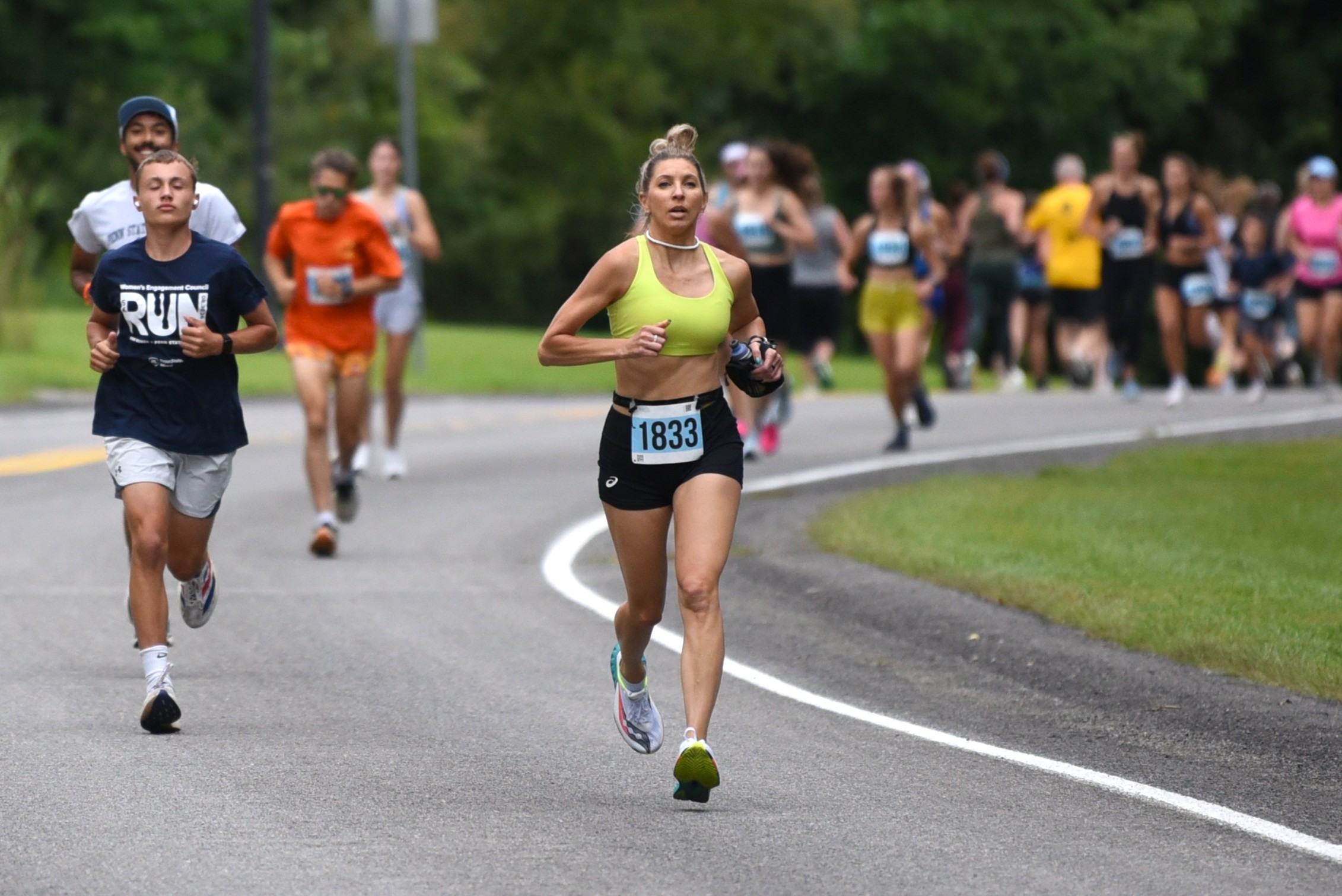
Run for Women 2026 5K winners lead the pack. Landon White, on the left, and Corinne Petrus, right foreground.
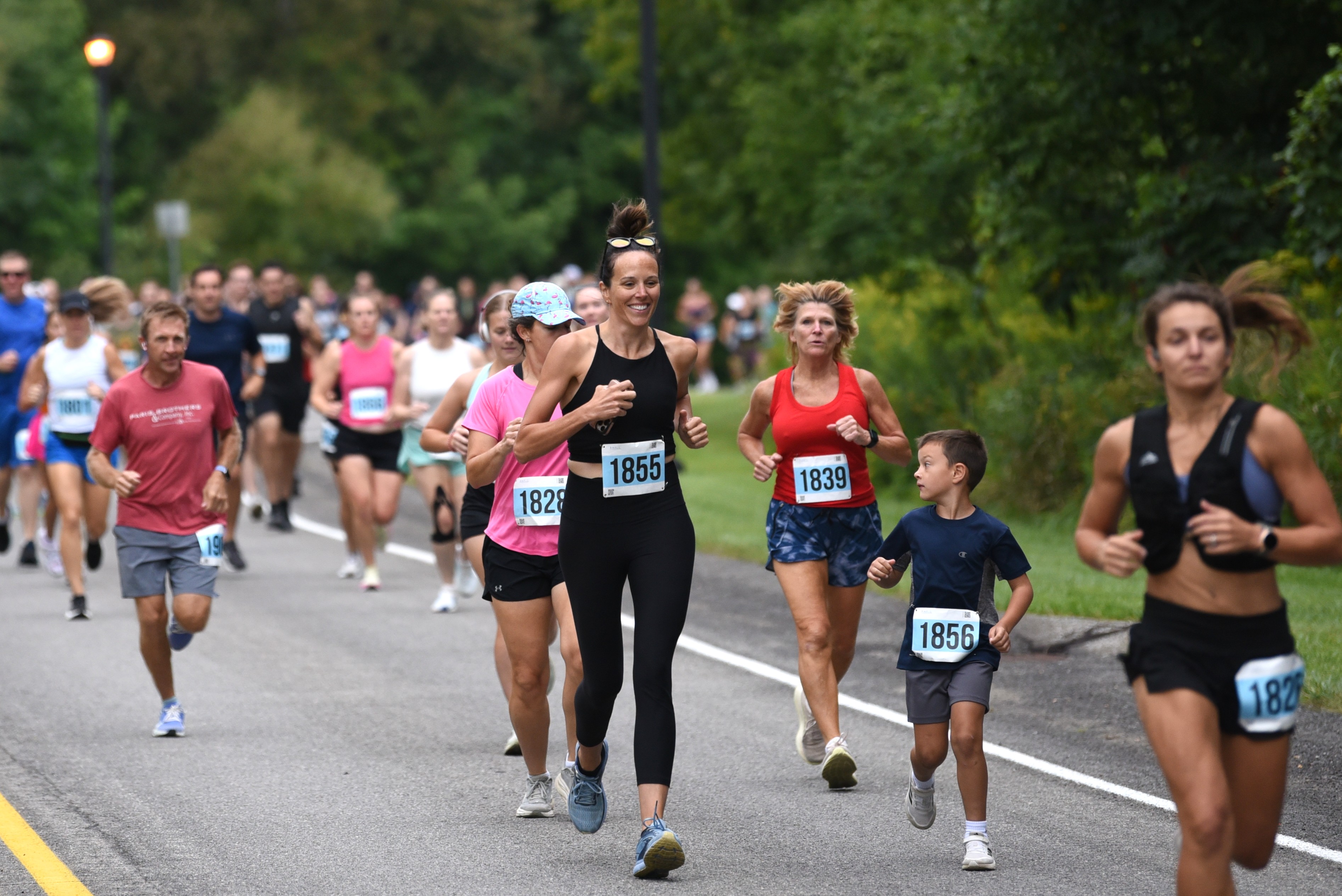
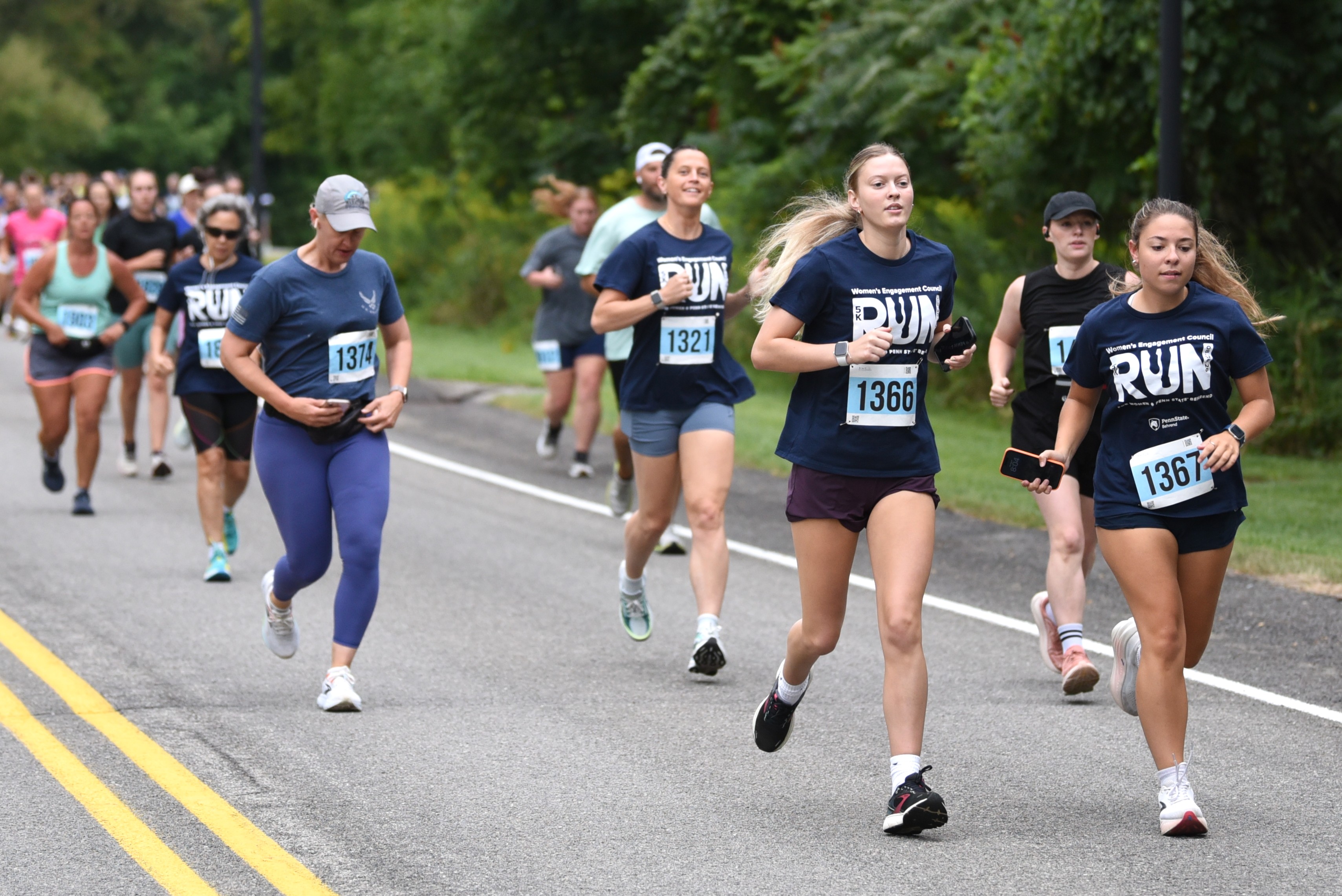
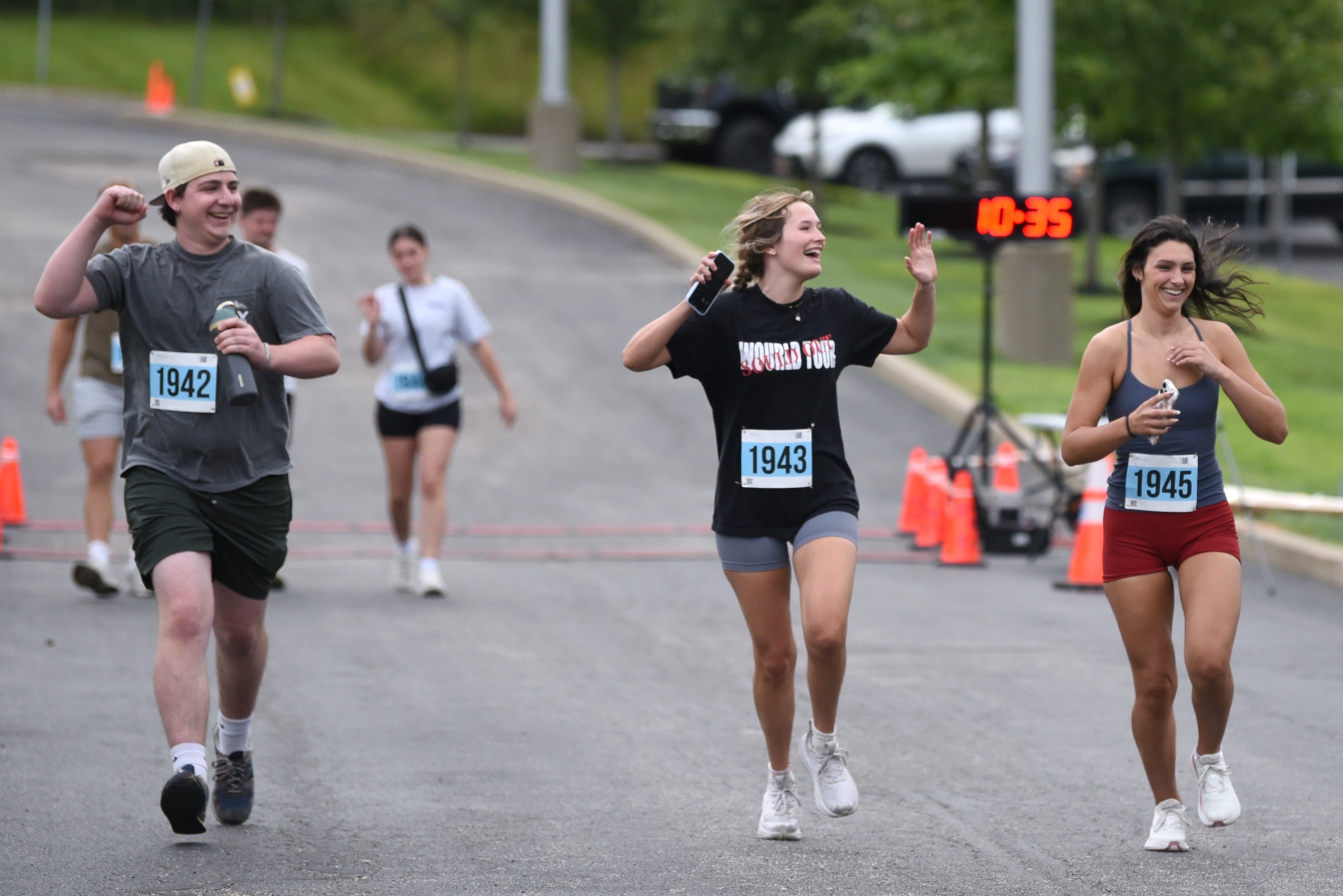
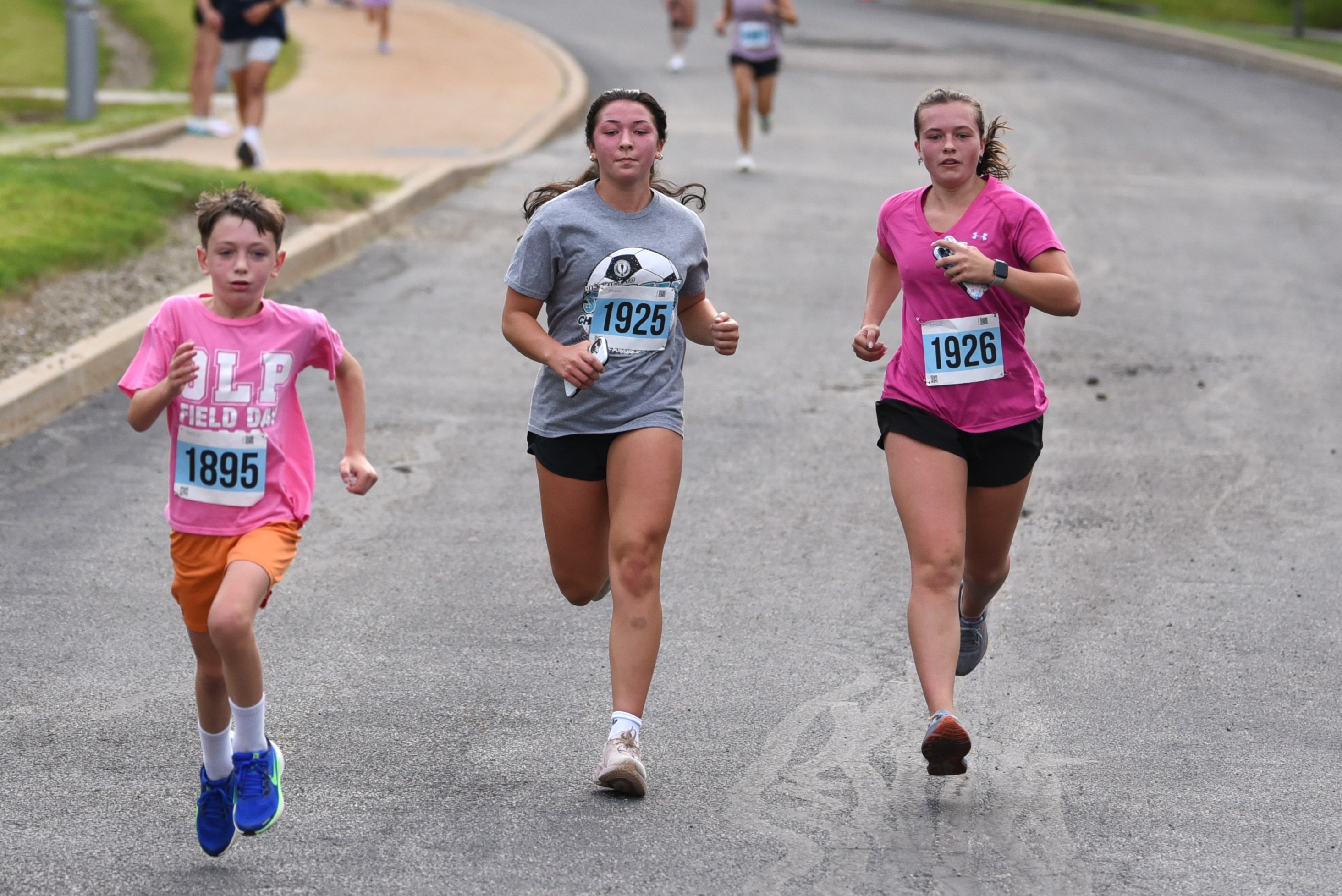
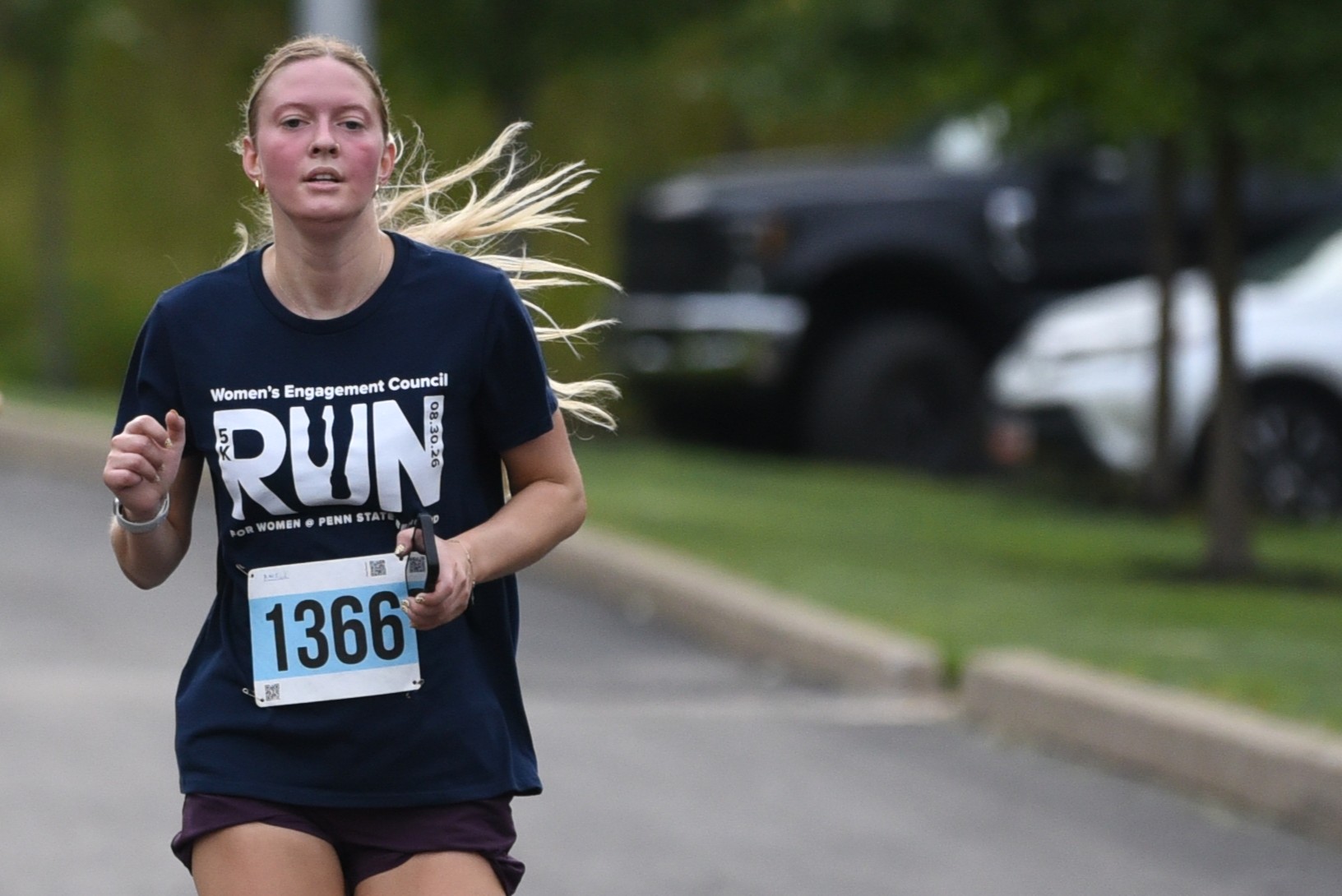
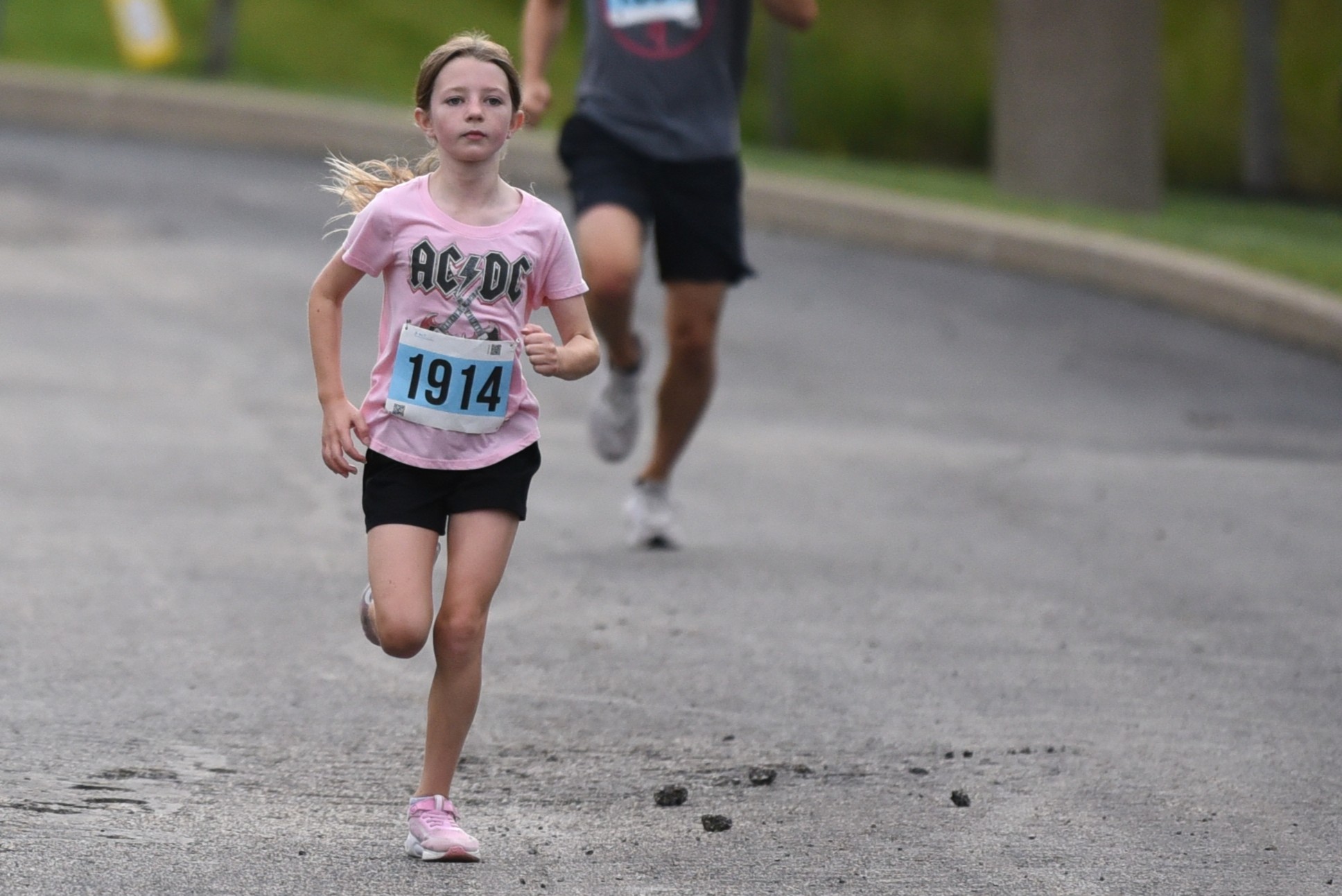
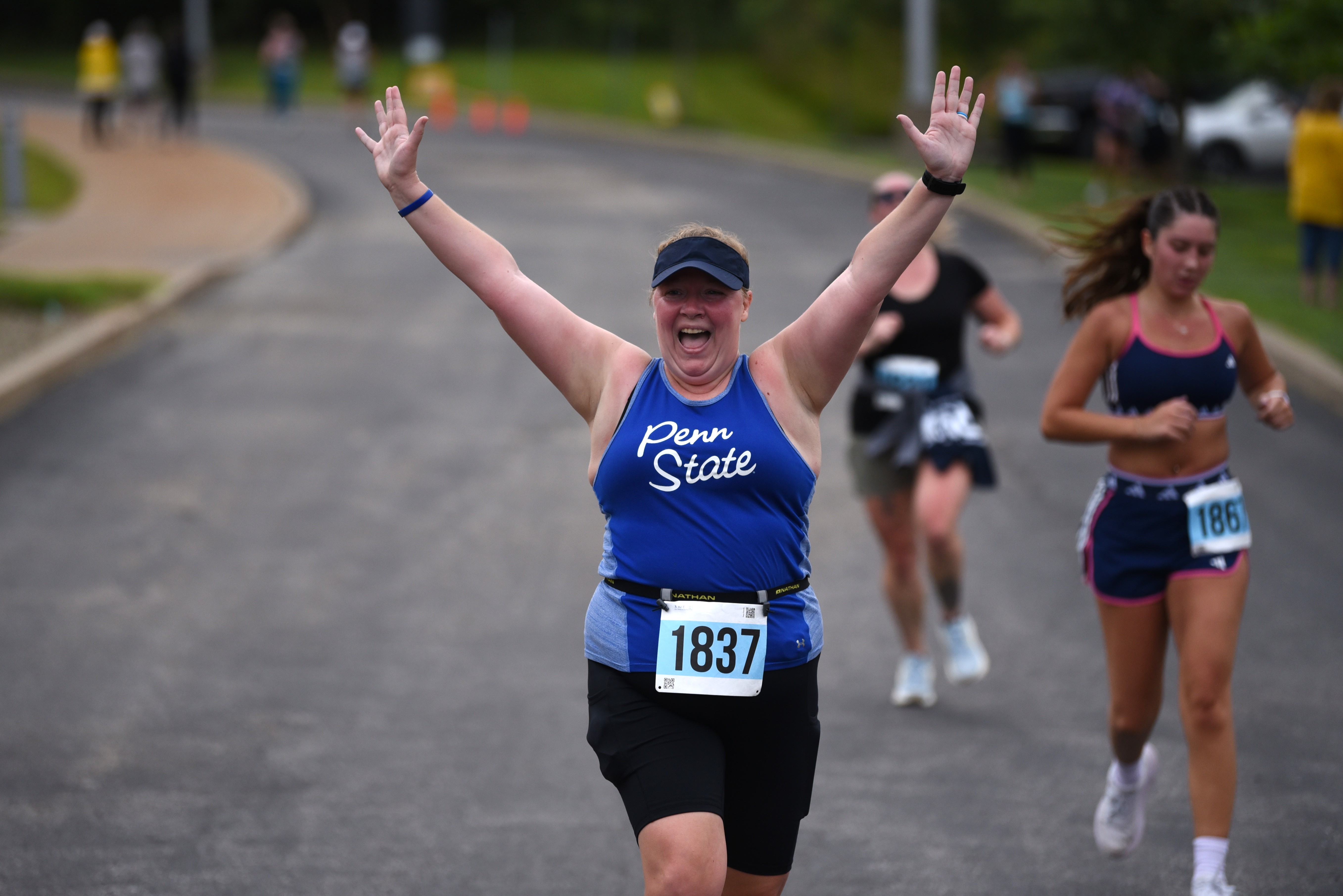
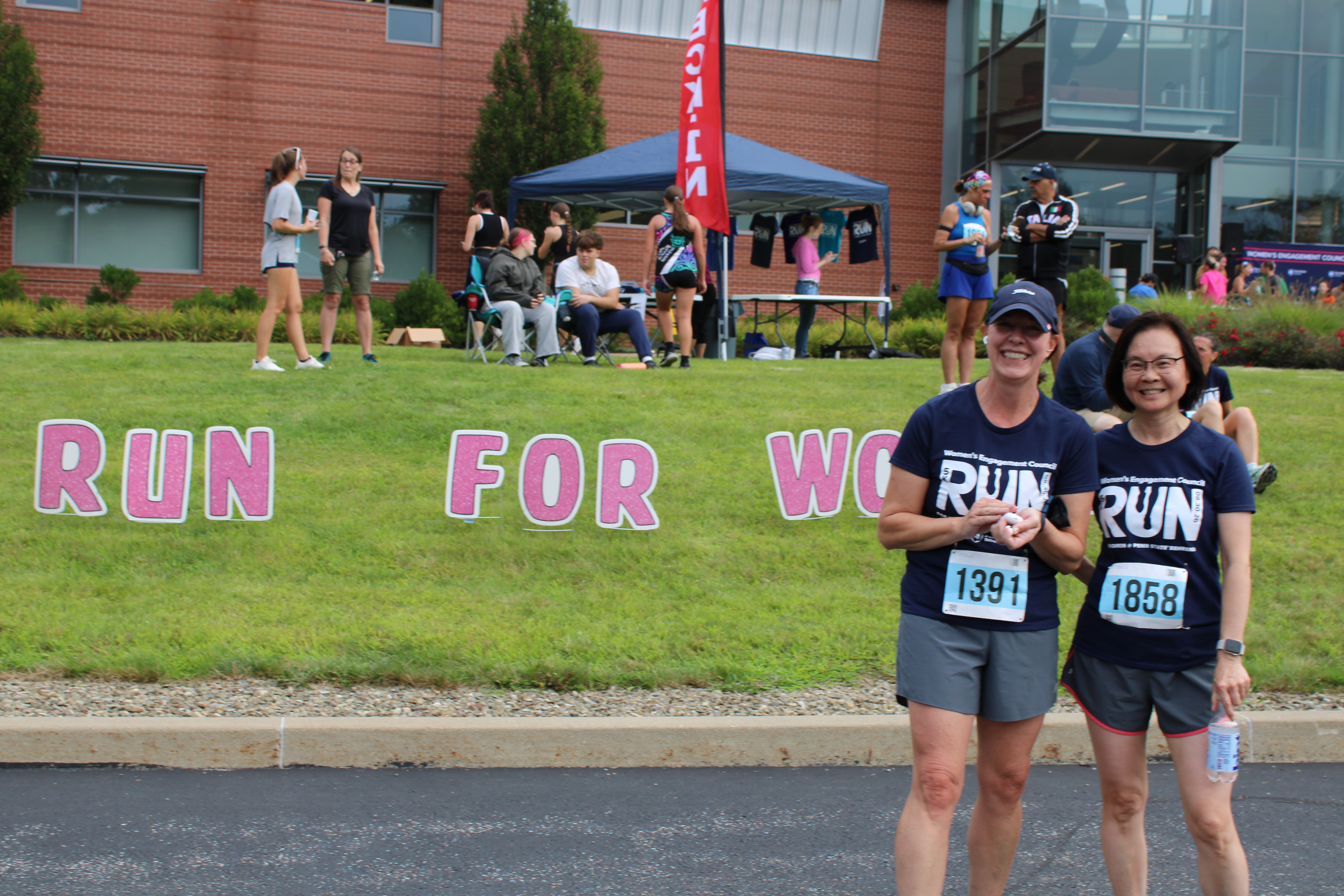
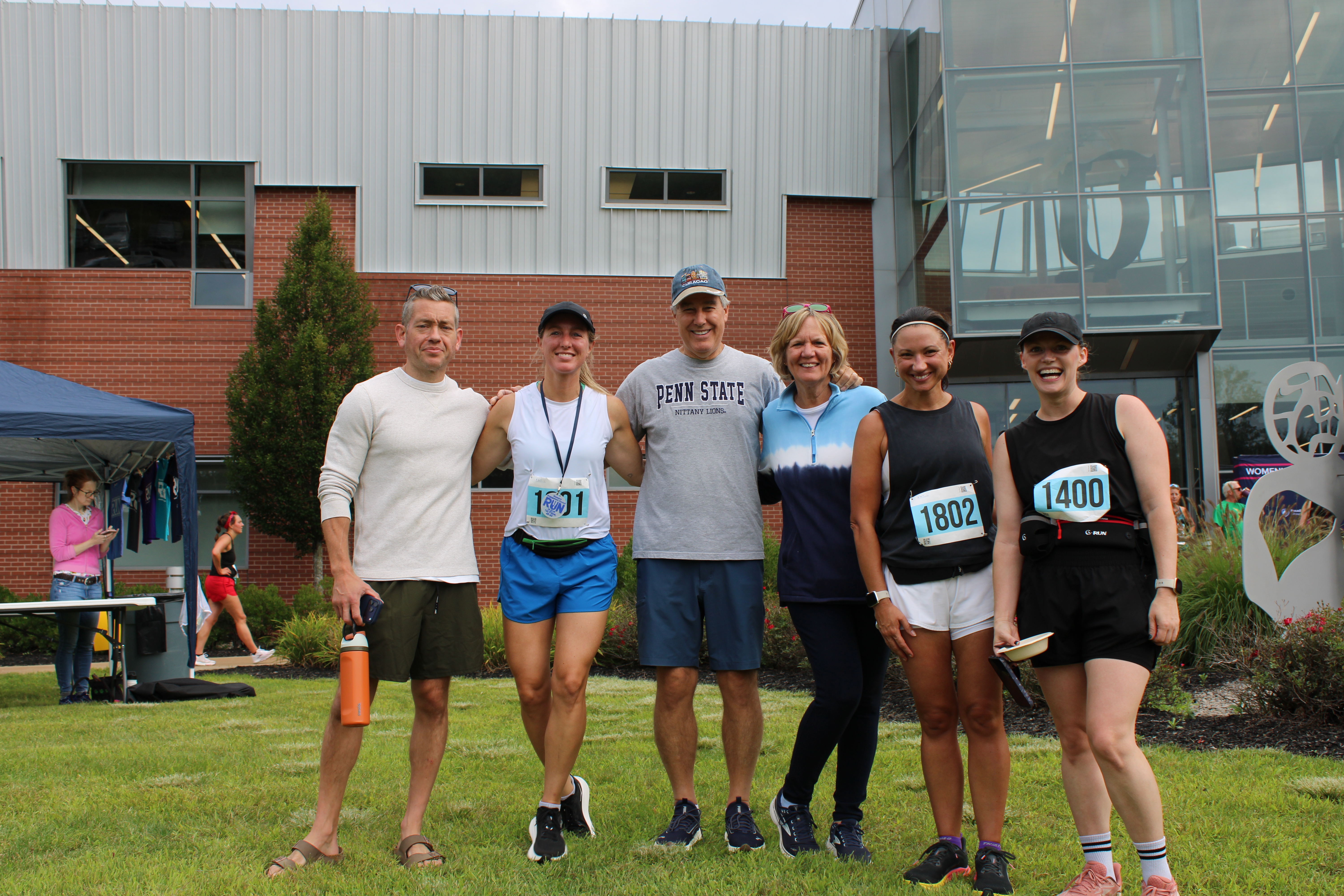
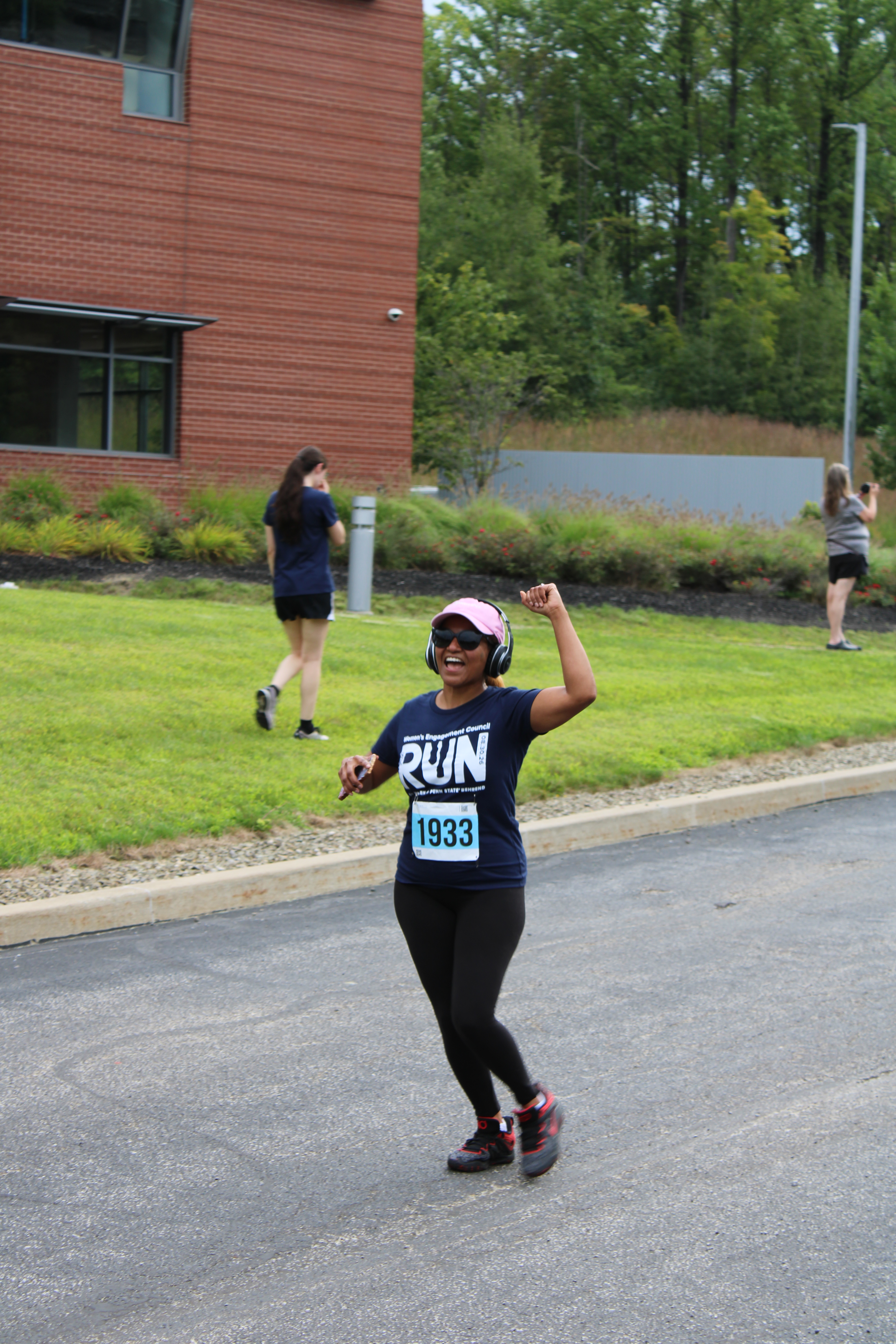
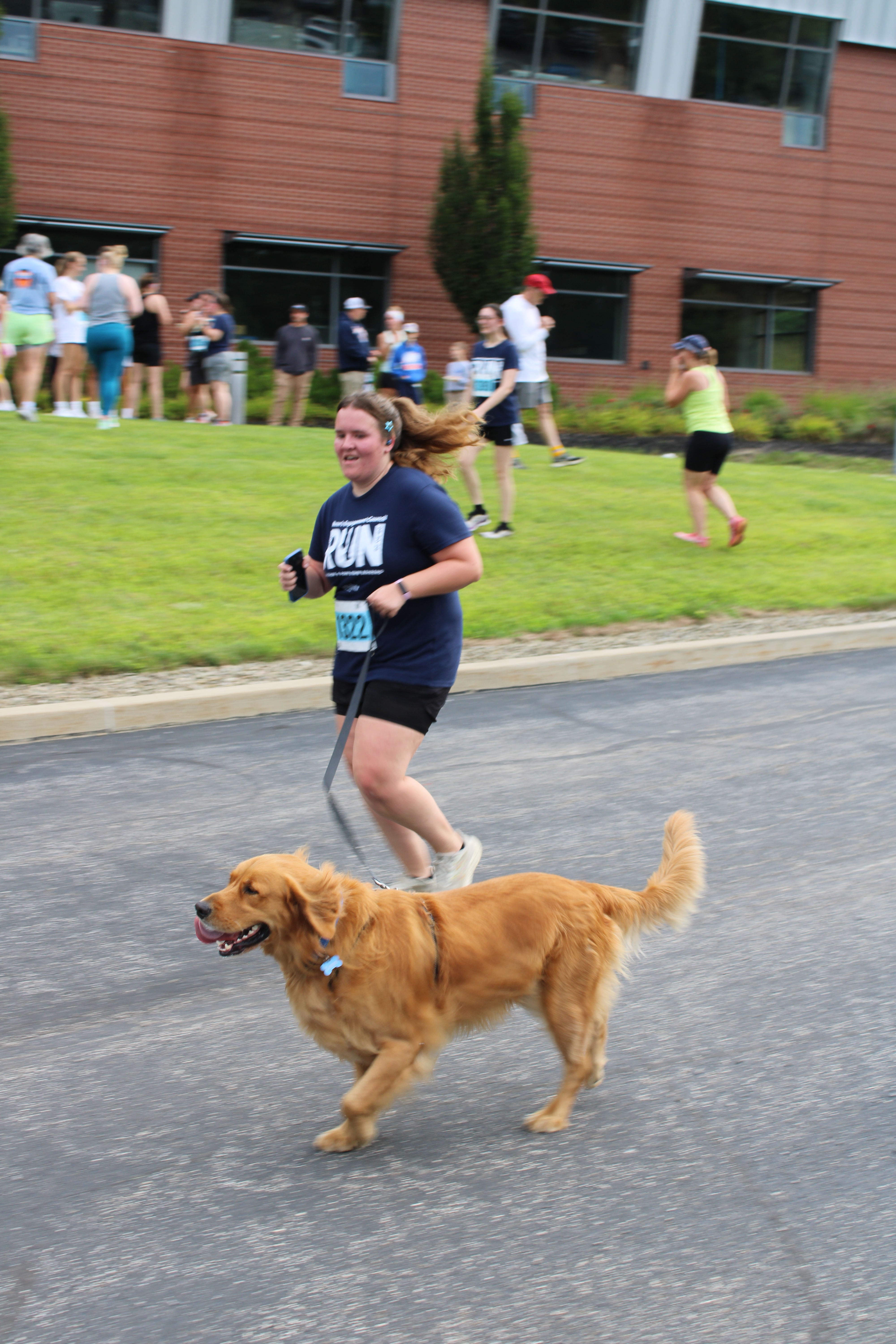
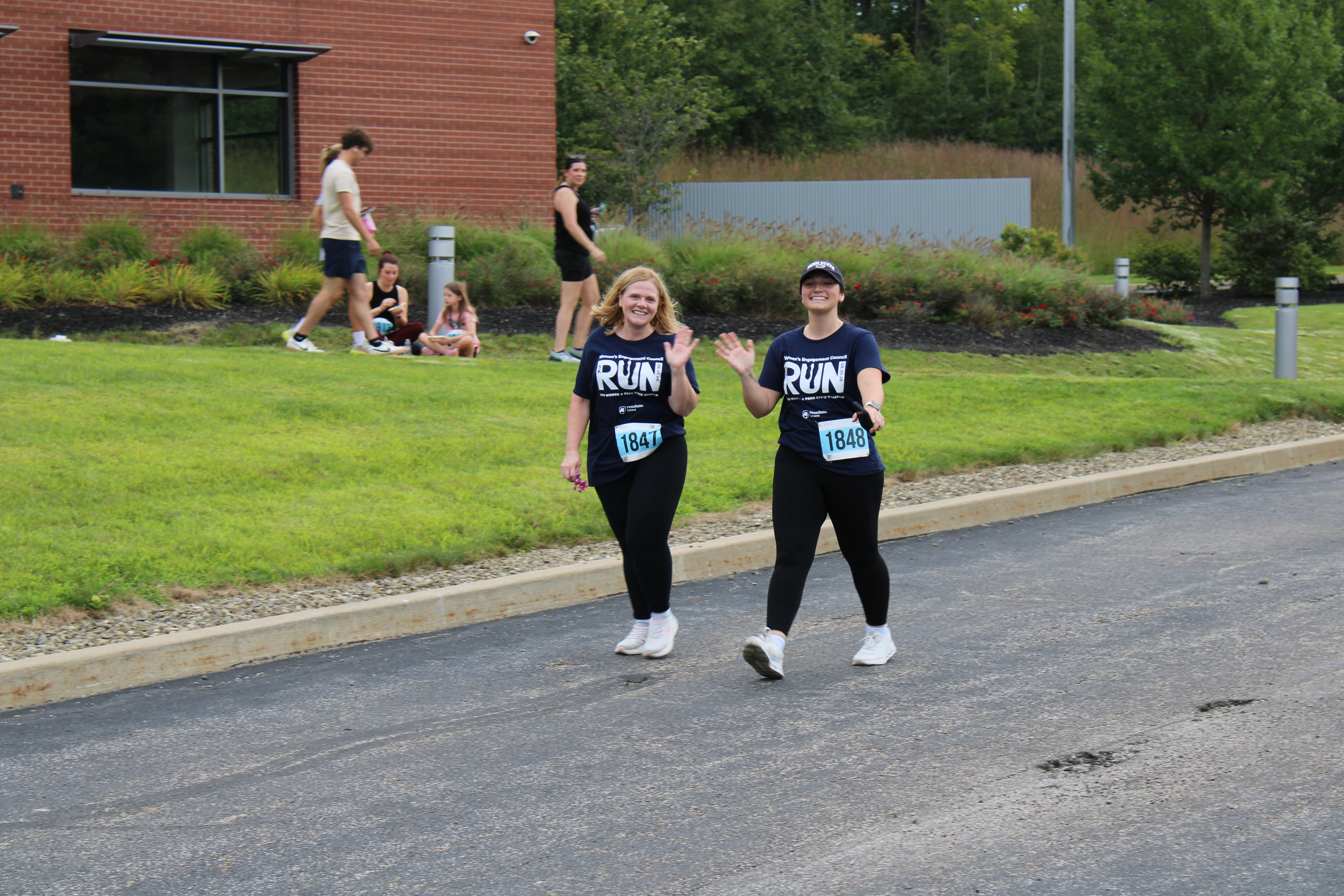
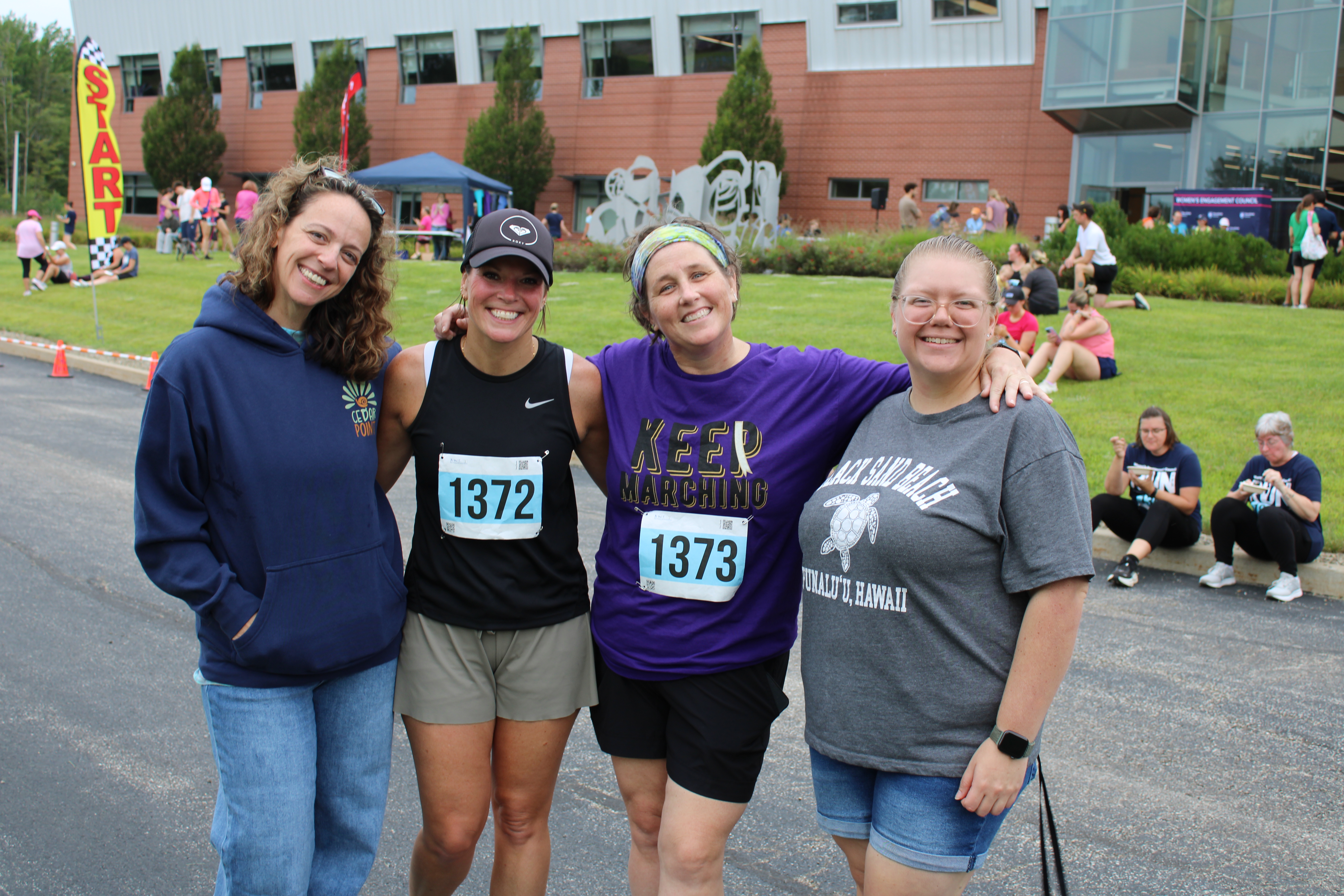
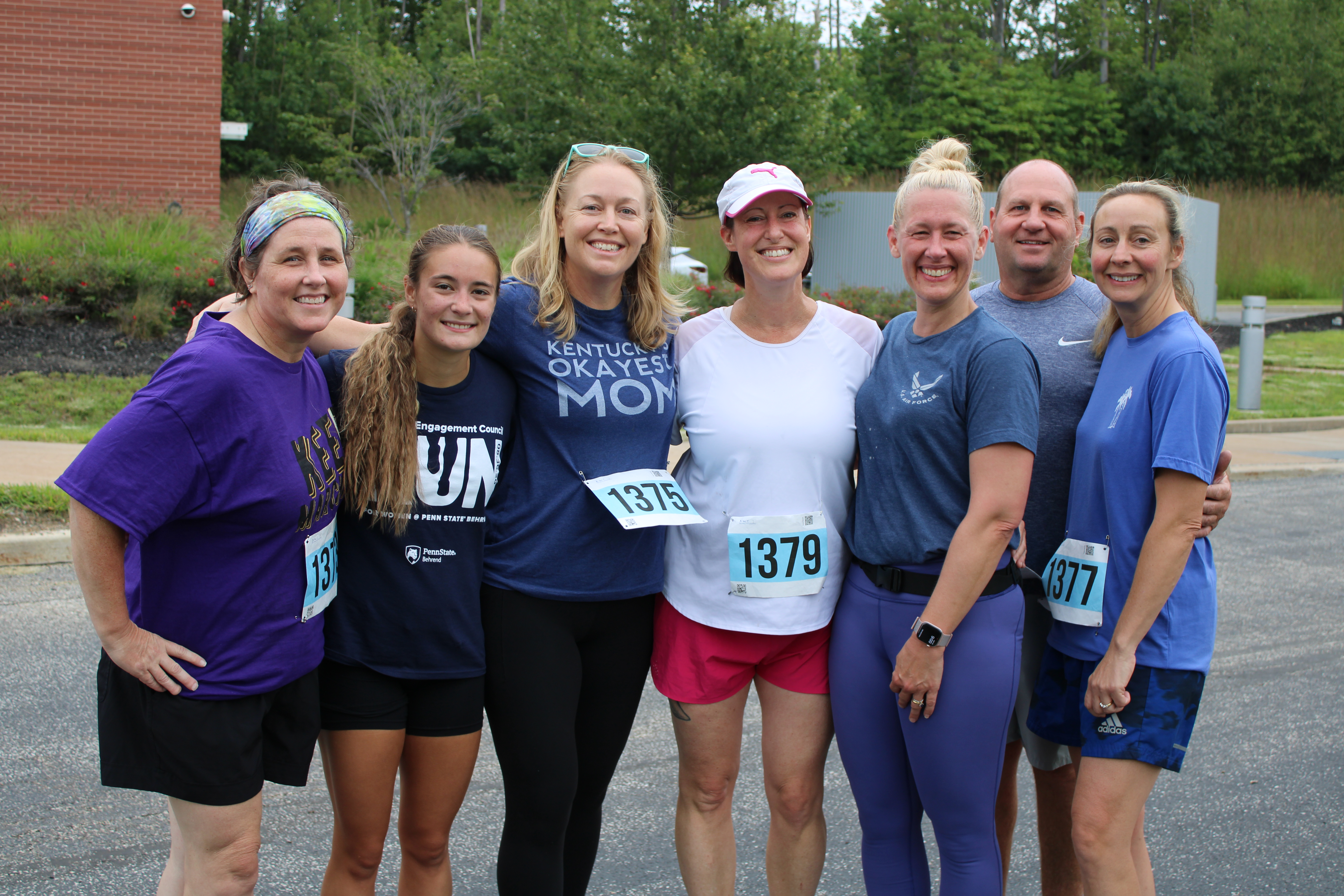
Penn State Behrend’s fifth annual Women’s Engagement Council Run for Women 5K run/walk is officially in the books—and it was our biggest year yet. More than 200 people registered and 193 crossed the finish line, marking steady growth and another strong showing from the community.
We also lucked out with great weather again! We managed to finish the race and get everything packed up and put away before the raindrops arrived. #thankful
This year’s temporary course gave us a fun finish coming into AMIC from the back, but the tight quarter‑mile turn with a still‑packed field was tough. The good news: we’ll return to the traditional course next year once we regain access to the student section of the parking garage.
And yes, you can already mark your calendar: Next year’s tentative race date is 8/29/27.
Thank Yous
There are a lot of people who make this event happen, so here’s the rapid‑fire gratitude section:
Thank you to DJ Kaitlyn Claus of Behrend’s BVZ Radio for keeping the energy high.
Thank you to the Penn State Behrend Cheer & Dance team, the Cross-Country team, Police and Safety, East County EMS, and our lead/sweep bikers Teresa and Greg Wigham for keeping runners safe — and hyped — on the course.
Thank you to the Women’s Engagement Council volunteers who handled everything from packet pickup to the mid-course water stop to setup to scooping ice cream and putting out (and picking up) signs.
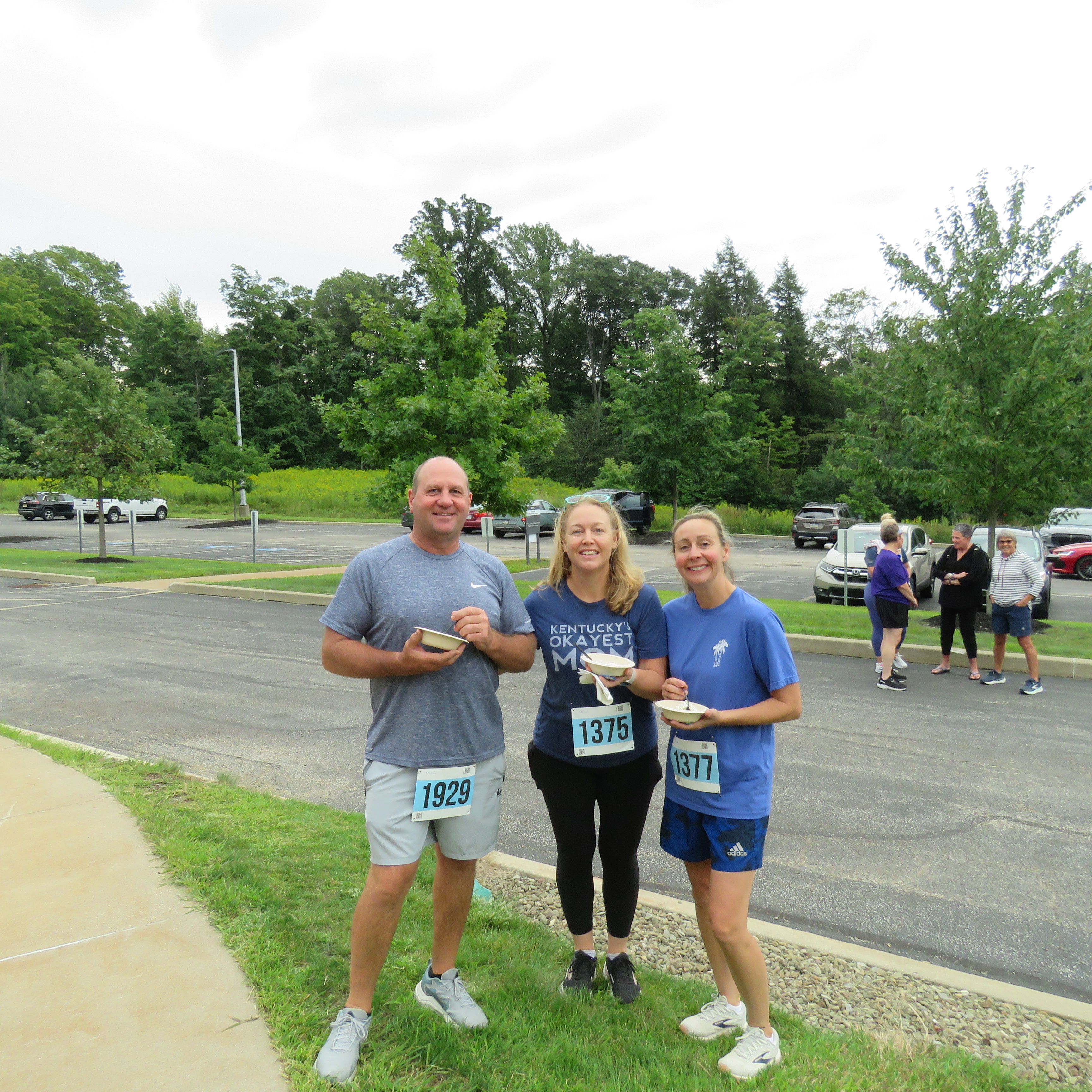
Thank you to Penn State Behrend Athletics for sponsoring the post‑race Berkey Creamery ice cream. Every race should end with ice cream.
Thank you to Owen Hitt in the Lilley Library Maker Space for 3‑D printing all of our awards. If you still need to pick yours up, email hjc13@psu.edu.
A Few Final Notes
Did you take photos? We’d love to see them! Send them to hjc13@psu.edu or add them to our Google album.
Have suggestions for next year? Same email — hjc13@psu.edu.
Want a shirt (or another shirt)? We have Large and XL available for $10. Message (you guessed it) hjc13@psu.edu.
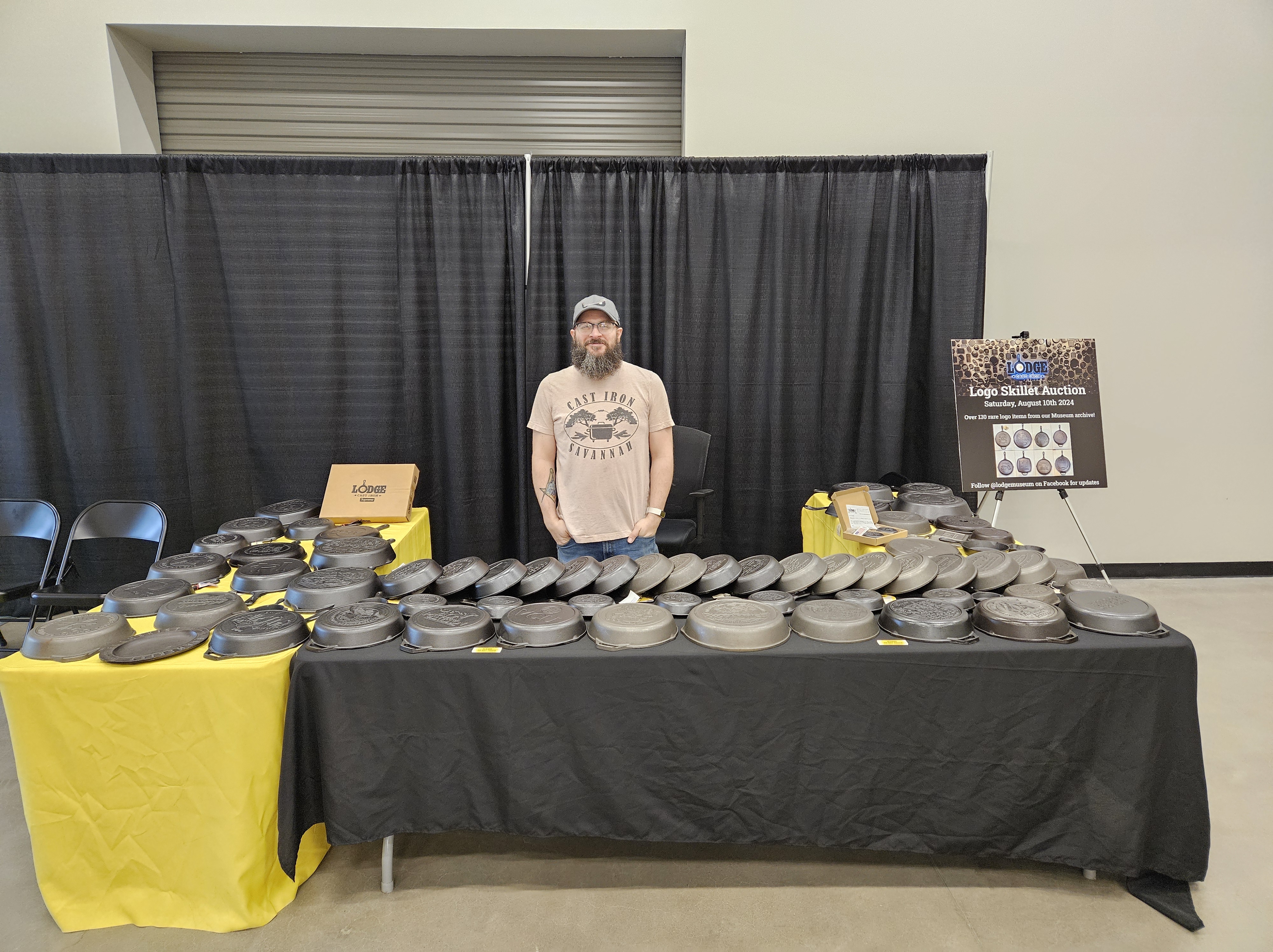
Ken Margraff ’06 at Lodge headquarters in South Pittsburg, Tennessee.
If you own a cast iron pan, you’ve heard the rule—Never wash it with soap. It’s the kind of wisdom people pass down with authority and follow religiously.
Ken Margraff, a 2006 general business graduate and cast-iron consultant, begs to differ.
“If you learn nothing else from me, learn this: Soap is safe,” he said. “Wash your cast iron cookware.”
Turns out, like a lot of things passed down without question, the no-soap rule is only half true. Old-fashioned soap was made with lye, which will strip the seasoning right off your pan. But that was long ago.
“Modern dish soap isn’t even soap,” Margraff said. “It’s technically a detergent. It’s gentle enough to clean baby ducks after an oil spill. Your skillet is going to be just fine. Wash it and dry it well. If it looks too dry, apply a dime-sized bit of oil.”
Margraff knows what he is talking about. It’s his job. Well, one of his jobs.
By day, Margraff is a vice president and branch manager at Synovus Bank in Savannah, Georgia. By night—and weekends, and vacations, and every garage sale in between—he is a cast iron consultant, which is exactly as niche as it sounds.
Skillet Ignites Passion
Margraff grew up in the Philadelphia area in an Italian family where cooking is a form of love. For Christmas one year, his wife Jes Brown, whom he met—and later married—at Penn State Behrend, gifted him a new knife set and a Lodge cast iron skillet.
“Everything all of a sudden became a cast iron meal,” he said. “Steaks, chicken, potatoes — everything just came out better.”
Around the same time, with Jes dealing with some health issues, Margraff started reading about the chemicals in popular non-stick cookware. He didn’t like what he found. He stopped using anything that wasn’t cast iron or carbon steel.
That might have been the end of it, except that Margraff was already obsessed with garage sales and thrift stores. One day he found a rusty cast-iron cornbread pan shaped like cactuses.
“I figured I understood metal pretty well,” he said. “I thought, I bet I can restore this.”
He got on the internet. He joined some Facebook groups.
“Then down the rabbit hole, I went,” he said.
Soon he was picking up cast iron everywhere. He suggested to Jes that maybe they should sell some of the restored pieces. She was skeptical.
He sold every piece.
“She looked at me and said, ‘Okay, go ahead,’ he said. “She knew it was going to be a thing.”
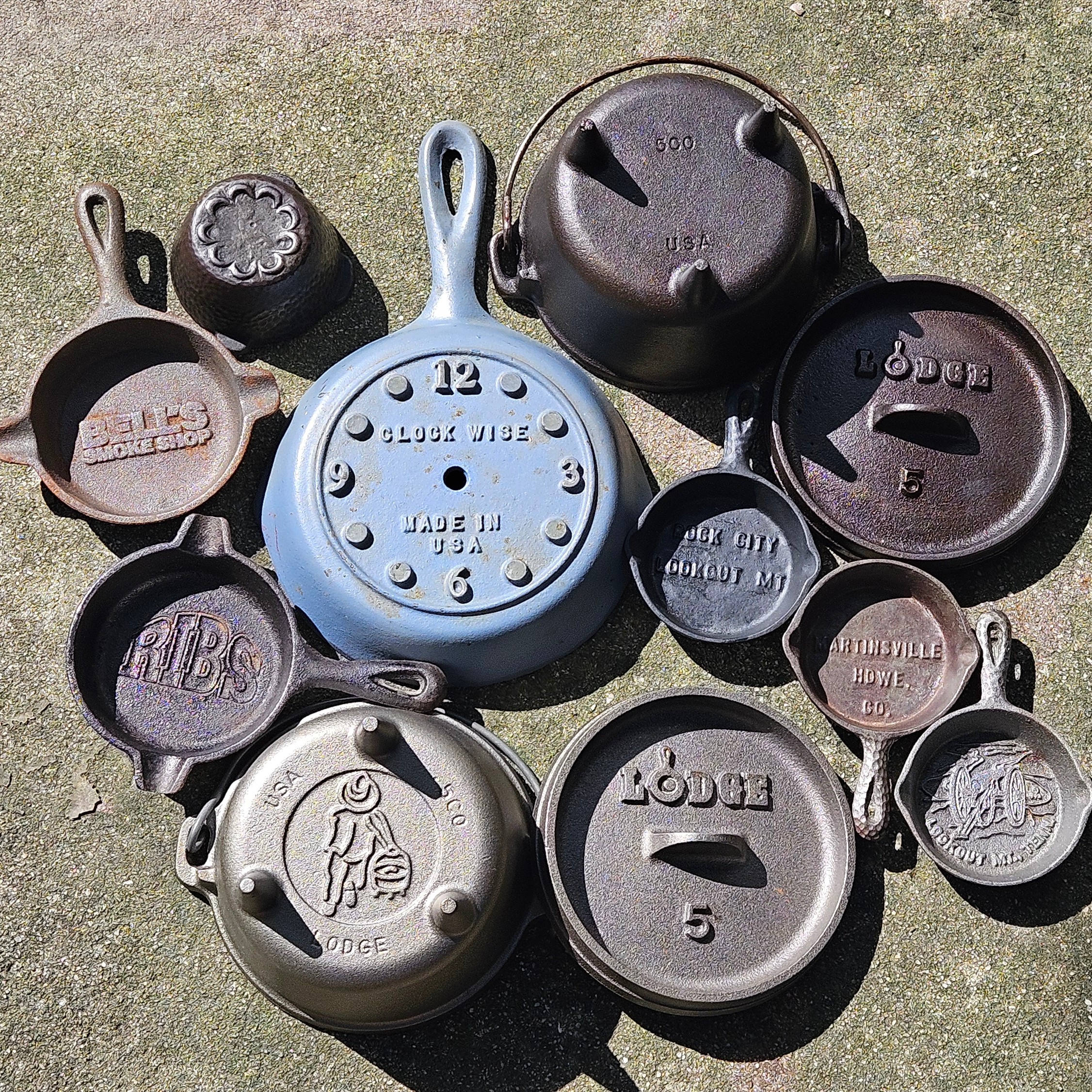
A few pieces of Ken’s collection, including a clock (blue piece in the middle). PHOTO CONTRIBUTED by Ken Margraff.
Cast Iron Savannah to Lodge
Margraff started Cast Iron Savannah and began aggressively hunting pieces, researching, and building connections in the collector community. At his peak, he had close to 3,000 pieces of cast iron, including his personal collection. His business logic was simple: Sell pieces he found to fund buying the pieces he wanted—Lodge minis, which are small, single-serving cookware pieces.
“That way she couldn’t get mad at me,” he said. “It wasn’t household money.”
Cast Iron Savannah started as a buy, sell, and restore operation, with education woven in along the way. The trajectory changed when Margraff started making friends with people at Lodge Manufacturing, the legendary foundry based in South Pittsburg, Tennessee.
Lodge is the biggest cast iron cookware manufacturer in the country by a significant margin. Founded in 1896, Lodge is the longest continuously operating American foundry, producing more cast iron cookware than all its U.S. competitors combined.
Lodge learned about Margraff’s collection and invited him to display pieces at some of their events, including the National Cornbread Festival at Lodge’s main Tennessee location—an event so large, he said, that the entire town shuts down and cell service collapses under the weight of the crowd. That weekend he met the head of the Lodge museum and connected with much of the company’s leadership.
When Lodge started looking for someone to bridge the gap between the foundry and the collector community, the people obsessed with pieces stretching back into the late 1800s—they thought of Margraff.
“The foundry makes cast iron every day,” he said. “To them, it’s a product they manufacture. The collector community is obsessed with the history. They brought me in to speak both languages.”
Margraff goes through old archives and records, gets rare pieces back into collectors’ hands, consults on projects, and serves as a moderator for Lodge’s official Facebook collectors’ group. He is, as far as he knows, one of the only people in the country who does what he does.
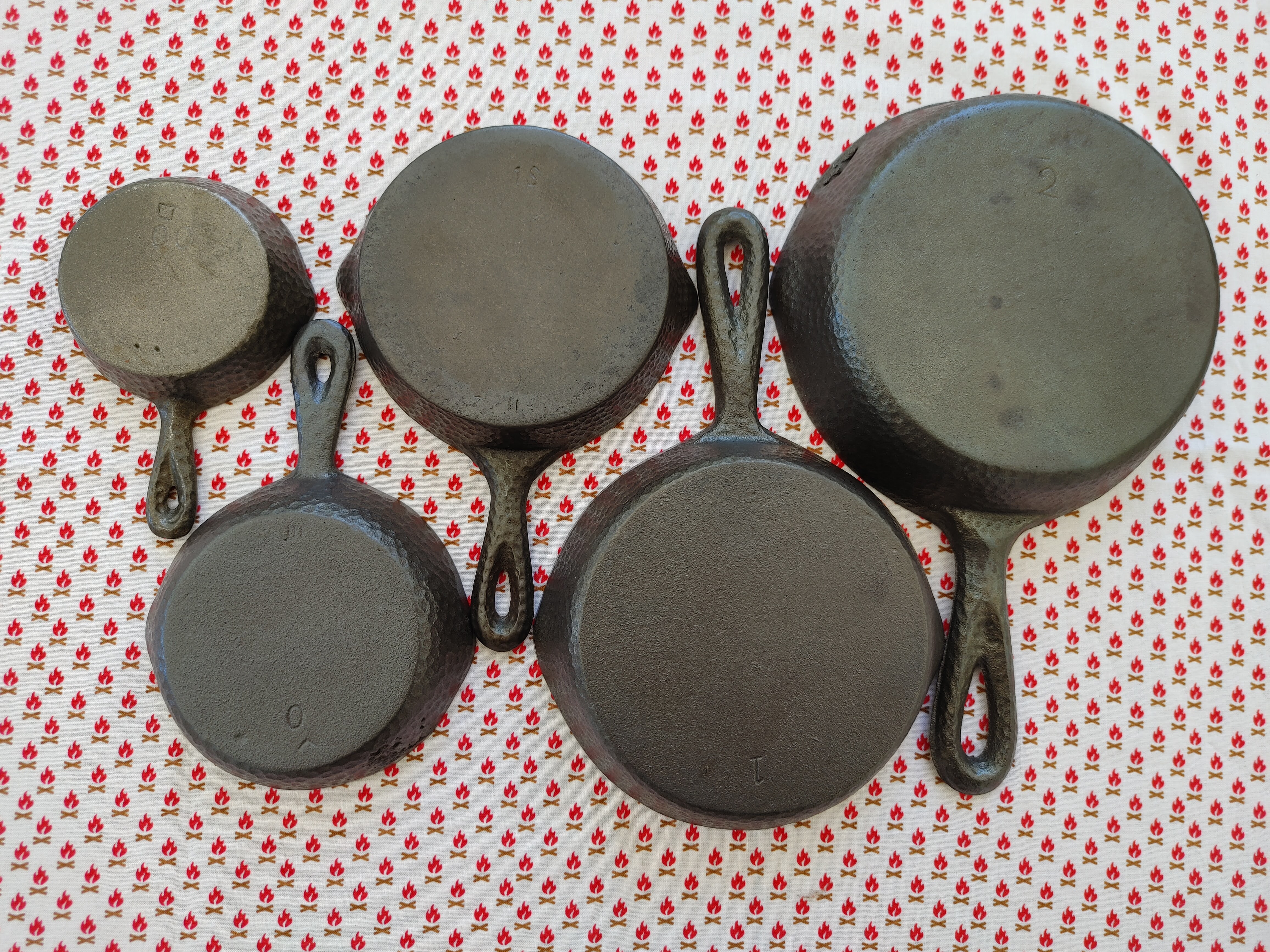
Lodge makes miniature cast-iron skillets in five sizes, ranging from about two to six inches across. PHOTO CONTRIBUTED by Ken Margraff.
A Mini Obsession
If you want to understand what drives Margraff, look at the miniature skillets.
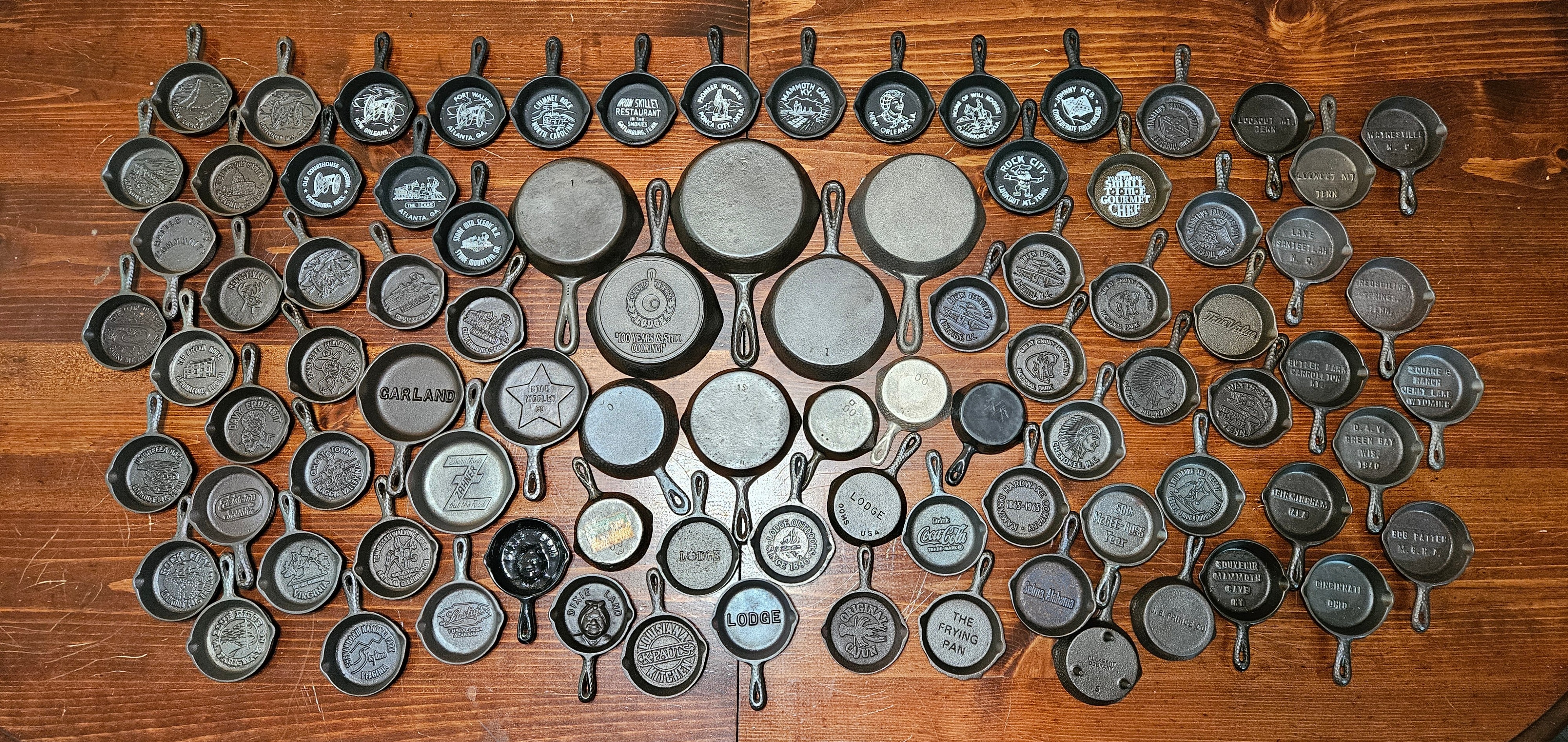
Lodge makes miniature cast-iron skillets in five sizes, ranging from about two to six inches across. Most people think they’re novelties. Margraff fell in love with the little pans, and he has built what he calls the “unofficially official” world’s largest collection of them. He has his eye on a Guinness World Record one day.
“It’s an obsession,” he said.
He maintains a spreadsheet tracking every known Lodge number 2 miniature skillet, which is the rarest one. There are currently twenty of them in the entire collector community. He knows who has them, where they are, and how they were found. When one changes hands, people notify him so the count stays accurate.
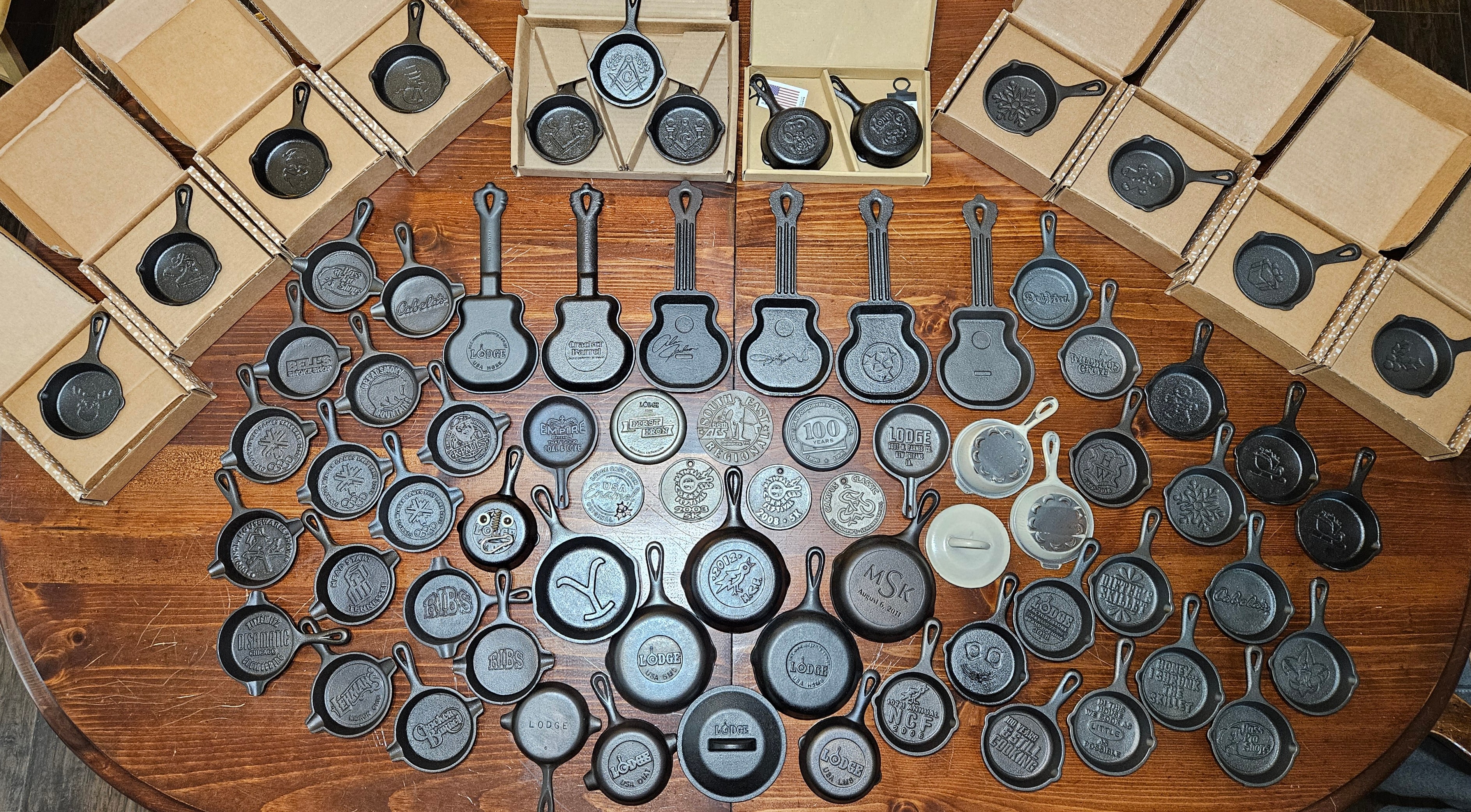
He has also designed four miniature skillets himself—a set of three for his Masonic Lodge as a fundraiser, and one for Lodge Manufacturing after they asked him to submit design concepts. Of the ideas he sent, they produced one.
“I told them my fee was one of the production plates,” he said. “They laughed and sent me one.”
Just some of Margraff’s Lodge mini collection. He is trying to collect one of every Lodge mini ever made. PHOTO CONTRIBUTED by Ken Margraff.More of Margraff’s collection, including some that he designed for his Masonic lodge (top center). PHOTO CONTRIBUTED by Ken Margraff.
The Iron Family
What Margraff didn’t expect, when he fell down that cast iron internet rabbit hole, was the community he would find there.
When he began collecting miniature skillets, people across the country started hunting on his behalf, passing along tips, flagging pieces they found. When his relationship with Lodge developed, instead of jealousy, he got cheers.
“I’ve never seen a community quite like it,” he said.
He has a best friend he met through cast iron—a guy known on TikTok as Orphaned Iron, with hundreds of thousands of followers—whom he talks with every single day. He has a friend in Italy that he ships iron to, tariffs and all. He has a contact in Japan, where they are wild for cast-iron.
“I have friends all over the country and all over the world,” he said, “all because of some pieces of metal.”
The depth of that community became apparent when Jes was diagnosed with cancer. She put together an Amazon wishlist of chemo comfort items, an idea she’d seen on TikTok, for people who wanted to help but didn’t know how.
Within twenty-four hours, her list was empty, purchased by cast iron people from across the country. Some were close friends. Some were people Margraff barely knew. Jes received notes and care packages from people she and Margraff had never even met in person.
“I just never could have imagined it,” he said.
Margraff said his wife, who is in remission, has always been supportive of his cast iron passion
“She is my biggest cheerleader,” he said. “I couldn’t do it without her.”
Tips for Newbies
For anyone just getting started with cooking in cast iron, Margraff’s advice is straightforward: Wash the pan, lower the heat, and be patient. For new collectors, he has one more thing to add.
“Run your own race,” he said. “Your collection is perfect for you. You’ll grow with it and it’ll grow with you.”
Ken Margraff ’06 turned his passion for cast iron into a business, building a niche as a collector, restorer and designer. PHOTO CONTRIBUTED by Ken Margraff.
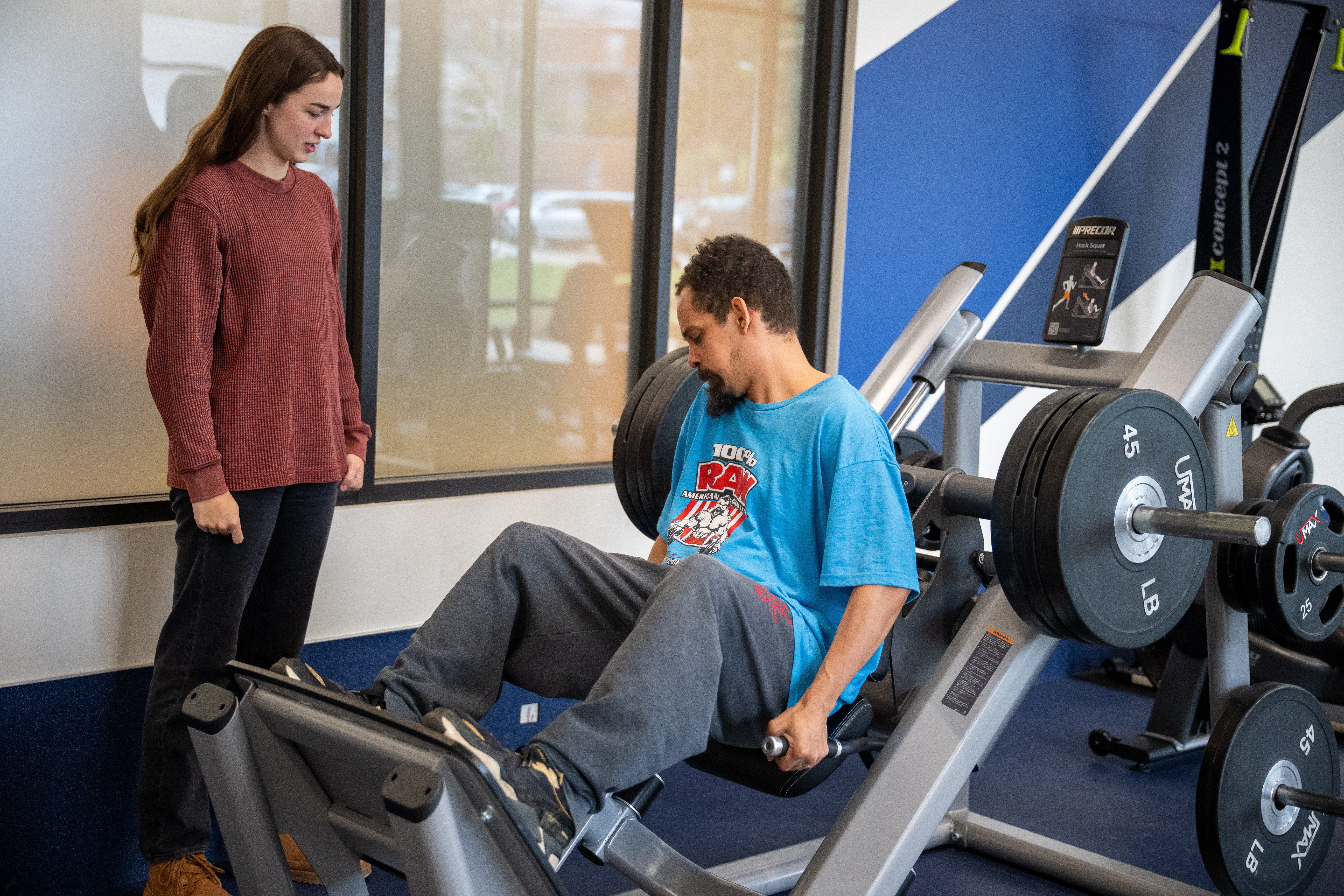
Behrend student Ella Garrity works with Special Olympics powerlifter Jerome Johnson in Erie Hall.
On a quiet Thursday morning in Erie Hall, a tall, muscular student prepares to push himself to failure on the leg press. He asks nearby Behrend student Shelby Hemmerlin and her workout partner, Jerome Johnson, to spot him.
When the student is tapped out and recovering on a nearby bench, he looks up to see Johnson sliding more plates onto the machine—a lot more. The student can only stare, wide‑eyed, as he realizes Johnson, a Special Olympics powerlifter, might be the strongest person in the gym.
That moment—the double-take, the recalibration—is exactly what Kelly Wilson, Behrend’s campus recreation manager, loves about the Unified Fitness program she helped bring to Erie Hall last fall.
“Our students often come in and work out with their headphones on, head down,” Wilson says. “But when the Special Olympics athletes are here, everything changes. You see students start paying attention, getting engaged, smiling, offering a few words of encouragement. The energy in the room just shifts.”
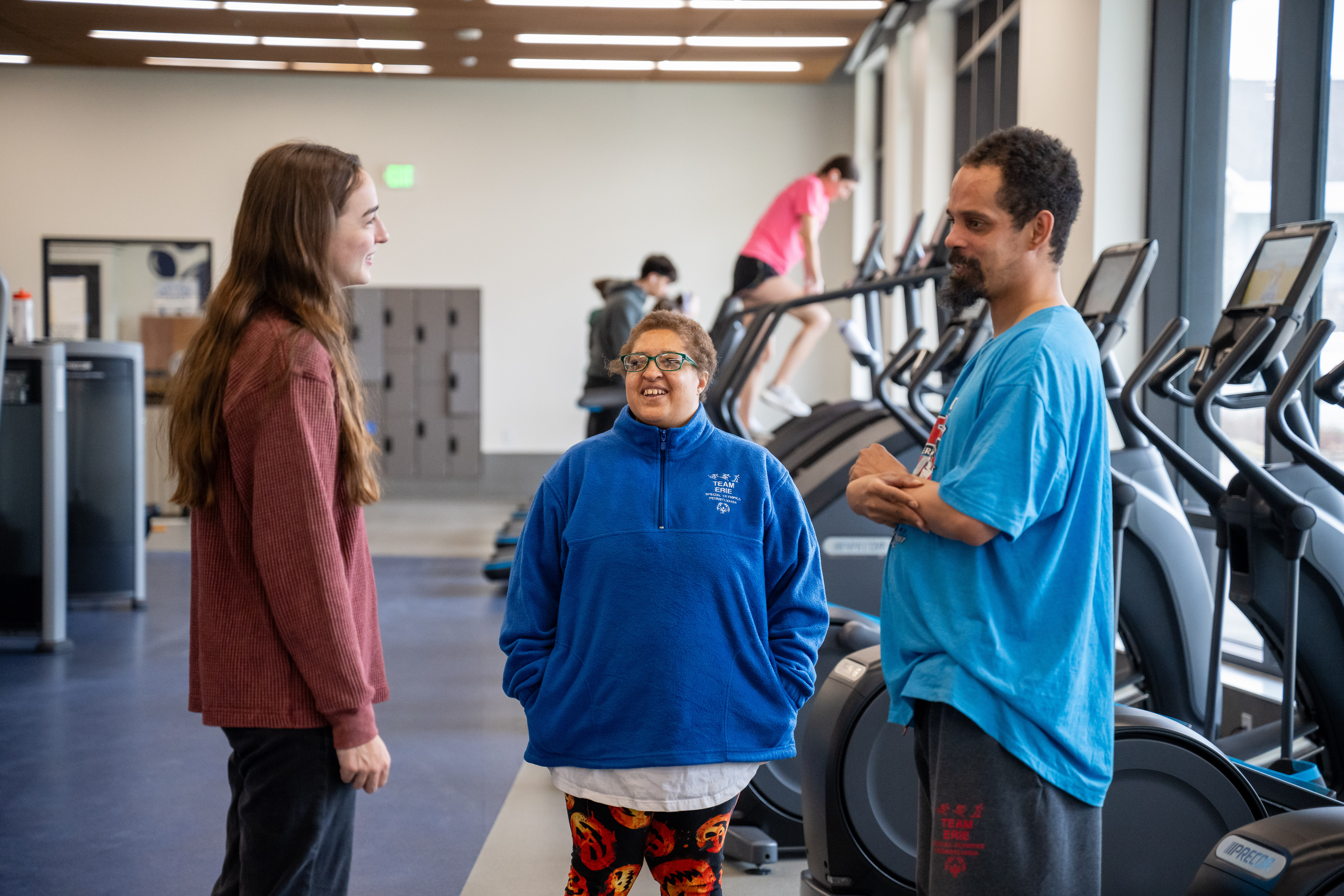
Unified Fitness pairs Behrend students with Special Olympics athletes for twice-weekly workouts at Erie Hall. Athletes and students commit for a full semester, choosing their own workout times and building their own routines together. Special Olympics provides workout frameworks; the athlete typically picks which one they’d like to do that day.
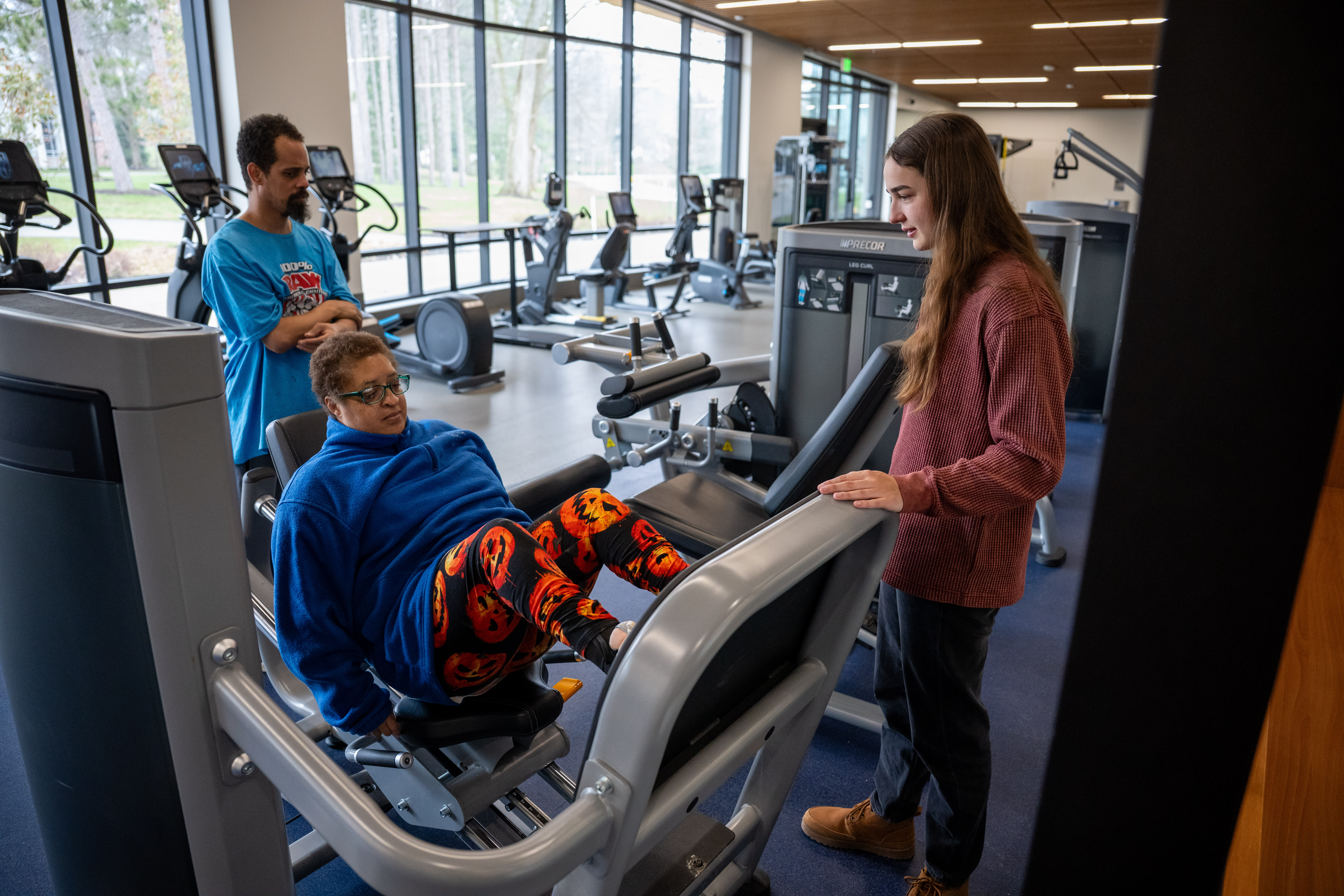
Behrend student Ella Garrity, far right, works with Special Olympics athletes Jerome Johnson, background, and Lawanda Mitchell, seated, in Erie Hall.
The program launched as a pilot last fall with twelve students and six athletes. It grew out of a connection made the previous year, when Behrend hosted the Northwest Regional Special Olympics Polar Plunge. Wilson saw potential for something deeper and more lasting.
“We met to talk about the Polar Plunge University Challenge, and we just kept talking and planning,” said Katherine Reim, regional executive director of the northwest region programming for Special Olympics. “When I told Kelly about Unified Fitness, she was excited and thought it would go over well with Behrend students.”
When the program started, one of the first to sign up was Ella Garrity, a sophomore in the Early Childhood and Elementary Education major, a member of Behrend’s women’s basketball team, and vice president of the Special Olympics club.
“I have been involved with Unified sports since high school,” Garrity said. “I am studying special education and plan to be a high school Life Skills teacher, so this program was perfect for me.”
Garrity has been lifting with Johnson and Lawanda Mitchell twice a week since last fall. She said Johnson continually impresses her with his strength.
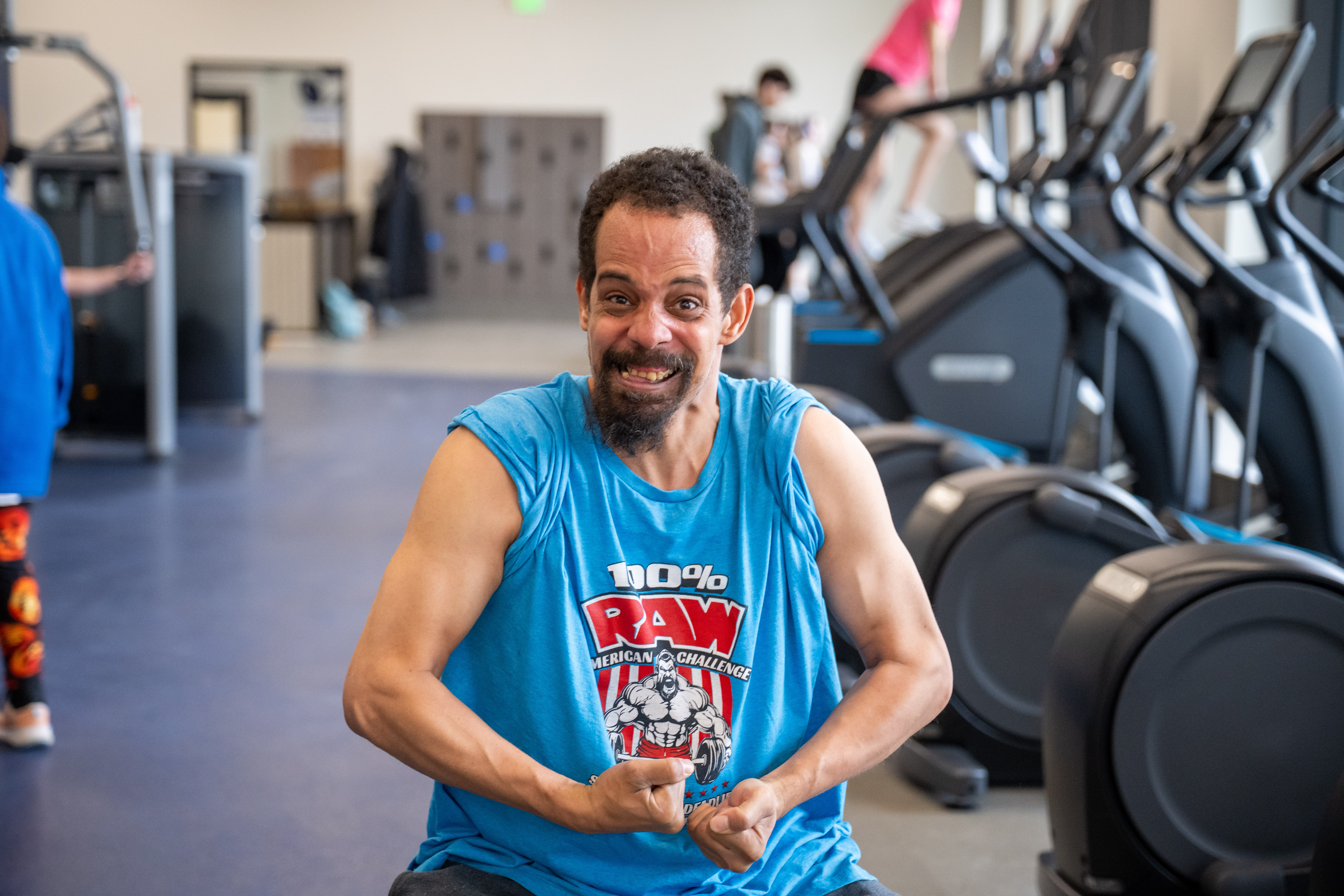
Special Olympics power lifter Jerome Johnson in Erie Hall.
“He lifts more than I am able to help him with, so we always have to ask one of the guys in the gym to spot him,” she said. “His work ethic is so admirable, and the support that Lawanda gives him is the best.”
It’s no different than any of the other friends who meet up at Erie Hall for a workout, and that’s the whole point.
“Too often, people with disabilities are discounted and not part of the larger community in meaningful ways,” Reim said. “This programming erases the stigma that people with disabilities are not equal to their nondisabled peers. I think Behrend students are pleasantly surprised by our athletes’ skills, determination, and engagement.”
Count Hemmerlin among them.
“Most of the athletes I have worked with can out-lift me,” Hemmerlin said. “They have great attitudes and they uplift everyone around them. Meeting up with them always puts me in a good mood.”
Sometimes shared workouts become something more.
“I have become such great friends with Jerome and Lawanda,” Garrity said. “They are some of the funniest and most genuine people I’ve ever met. We call and text daily, and they both come to my basketball games.”
Garrity signed up for Unified Fitness thinking she had something to give. She does. But on game nights, when she looks up and sees Johnson and Mitchell in the stands, she’s reminded that support in this program runs both ways. She’s not just their champion anymore. They’re hers.
Behrend student Ella Garrity, left, talks with Special Olympics athletes Lawanda Mitchell and Jerome Johnson between sets while working out in Erie Hall.