Women in History Month: Meet Mildred Doherty

By Chris Palattella Public relations coordinator, Penn State Behrend

In recognition of Women’s History Month, we’d like to introduce you to just a few of the dynamic women in Penn State Behrend’s history.  Our college has a rich history of leadership and involvement by strong, forward thinking, and generous women. Each Monday in March, we’ll highlight a woman who has made, or is currently making, her mark on the college.

Today, we’d like you to meet Mildred Doherty, our first female engineering faculty member.  
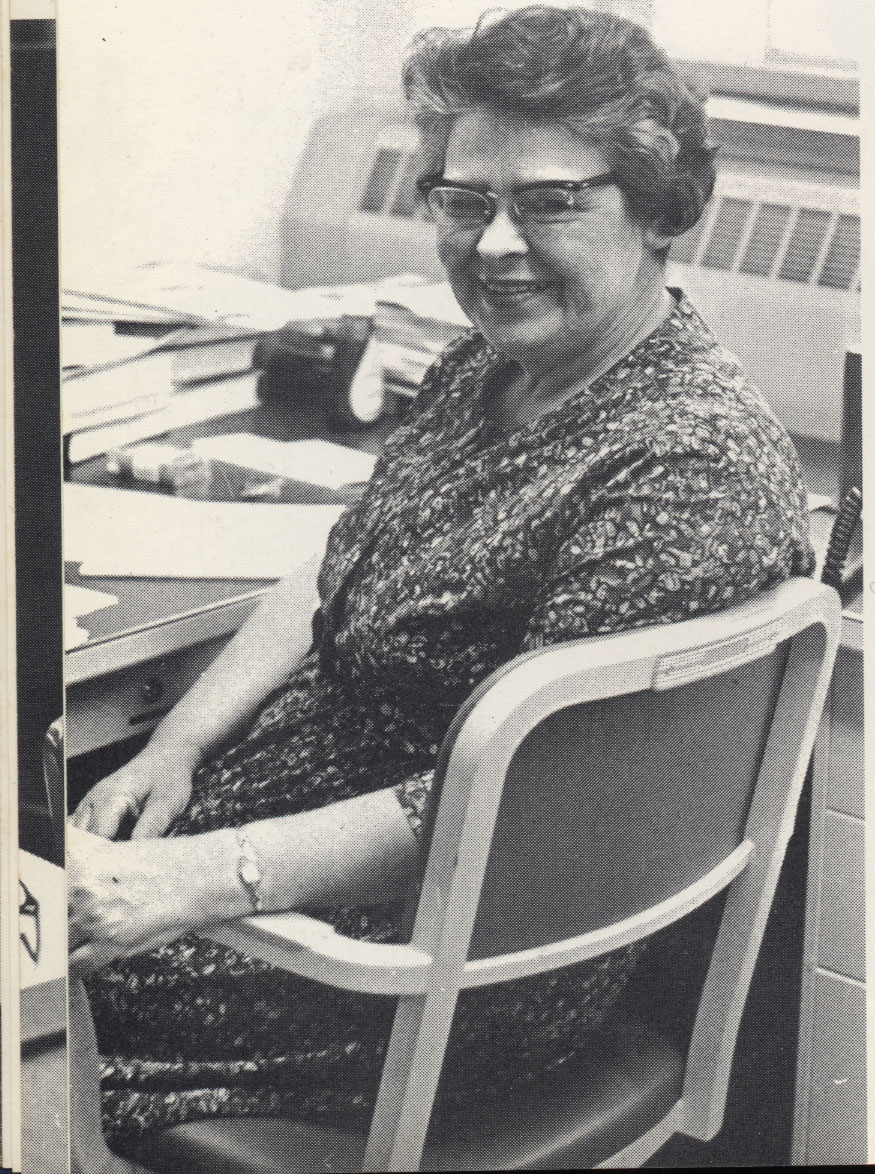
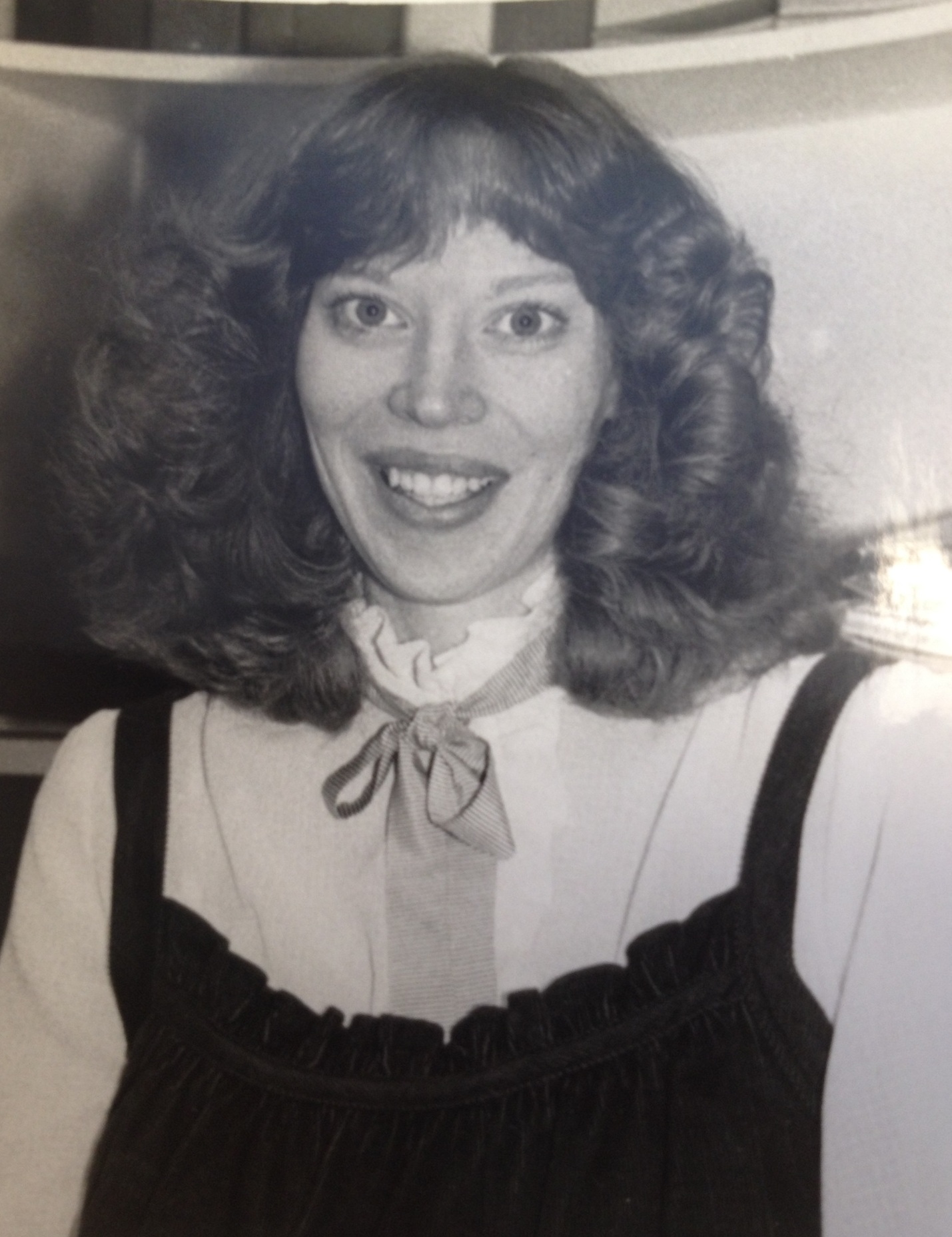
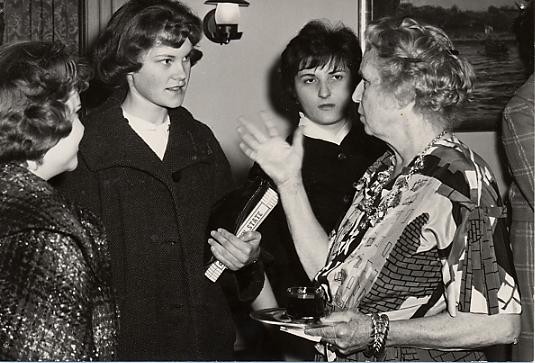
Mildred 1963

Mildred Doherty, 1963

The first female member of Penn State Behrend’s engineering faculty is remembered as a gregarious Renaissance woman with many interests, chief among them a deep affection for her Irish heritage.

In 1960, Mildred Doherty—“Mid” to her friends— arrived on a campus so thinly staffed that the infirmary nurse doubled as the bookstore manager. Doherty brought a unique skill set for a woman of her generation, having worked as a technical writer, a civilian supervisor for the U.S. Air Force, and as head of the U.S. Signal Corps’ examination and evaluation section for radar operations. But gender wasn’t an issue, according to a faculty colleague. “No one was concerned that she was a woman teaching engineering, because Mid laid down the law for her students,” Ed Masteller, professor of biology emeritus, said. “I think that was her military background. She had specific expectations about the way things should be done.”

Doherty’s all-business comportment must have been contained within Otto Behrend Science, because among her contemporaries she is universally remembered for her infectious sense of merriment, passion for travel and genealogy, and can-do attitude.  “My husband and I loved her because she was a fun girl, a really fun girl,” says retired physical education instructor Irene Edwards. “She was so interesting, and just a delight to be around.”

Although Doherty lived in a small Behrend family-era cabin near what is now Lilley Library during the week, she entertained at her home in Centerville, a farmhouse originally owned by her Irish grandparents. Masteller and his wife, Marianna, would make the trip to Crawford County for picnics, potlucks, and book clubs; Mary Turner, a distant cousin of Doherty’s, says she vividly remembers a summer party that ended in fireworks.

Doherty’s annual St. Patrick’s Day celebration would start with Mass at Immaculate Conception Church of Mageetown. (Doherty’s mother’s family, the Magees, had founded both the church and community.) After that came the ‘tin band,’ a boisterous parade of revelers who walked back to Doherty’s home for dinner and Irish coffee. “We’d march with kettles and spoons, banging and making noise and having a great time,” Edwards says.

After her retirement, Doherty’s passions were traveling to visit family and friends and researching the genealogy of the Doherty and Magee families. She created a small museum space within Immaculate Conception to display artifacts related to the area’s early Irish Roman Catholic settlers and  cataloged and mapped the graves in the church’s cemetery, where she was buried following her death in April  1985.

More About Mildred

Born: October 7, 1909, in Franklin.

Education: 1926 graduate of Oil City High School; 1932 graduate of Saint Xavier College (now University) in Chicago with a B.S. in mathematics and minors in chemistry and physics.

According to Irene Edwards, Doherty said she was able to attend college only because of significant scholarship support. “She would take the bus back and forth from Oil City to Chicago. I remember her very funny stories about that. It was always an adventure, but then she was an adventurous critter.”

Continuing education: Also studied at St. Louis University, Grove City College, Clarion University, and the University of Houston.

Career detour: Doherty left the U.S. Signal Corps to care for her aging parents. During that time she worked as the librarian at Titusville High School.

A word from her niece: “Aunt Mid was the one person—and I’ve never met another person like her—who never said anything bad about anybody,” says Nancy Cotter, daughter of Mildred’s sister Margaret. “Never negative. No gossip. That was something I really admired about her.”

A warm send-off: For her retirement in 1970, Doherty’s Behrend colleagues bought her Centerville home’s first furnace. She threw a furnace-warming party and had all the guests sign their name on the unit.
Behrend student returns to regional Science Olympiad as a judge

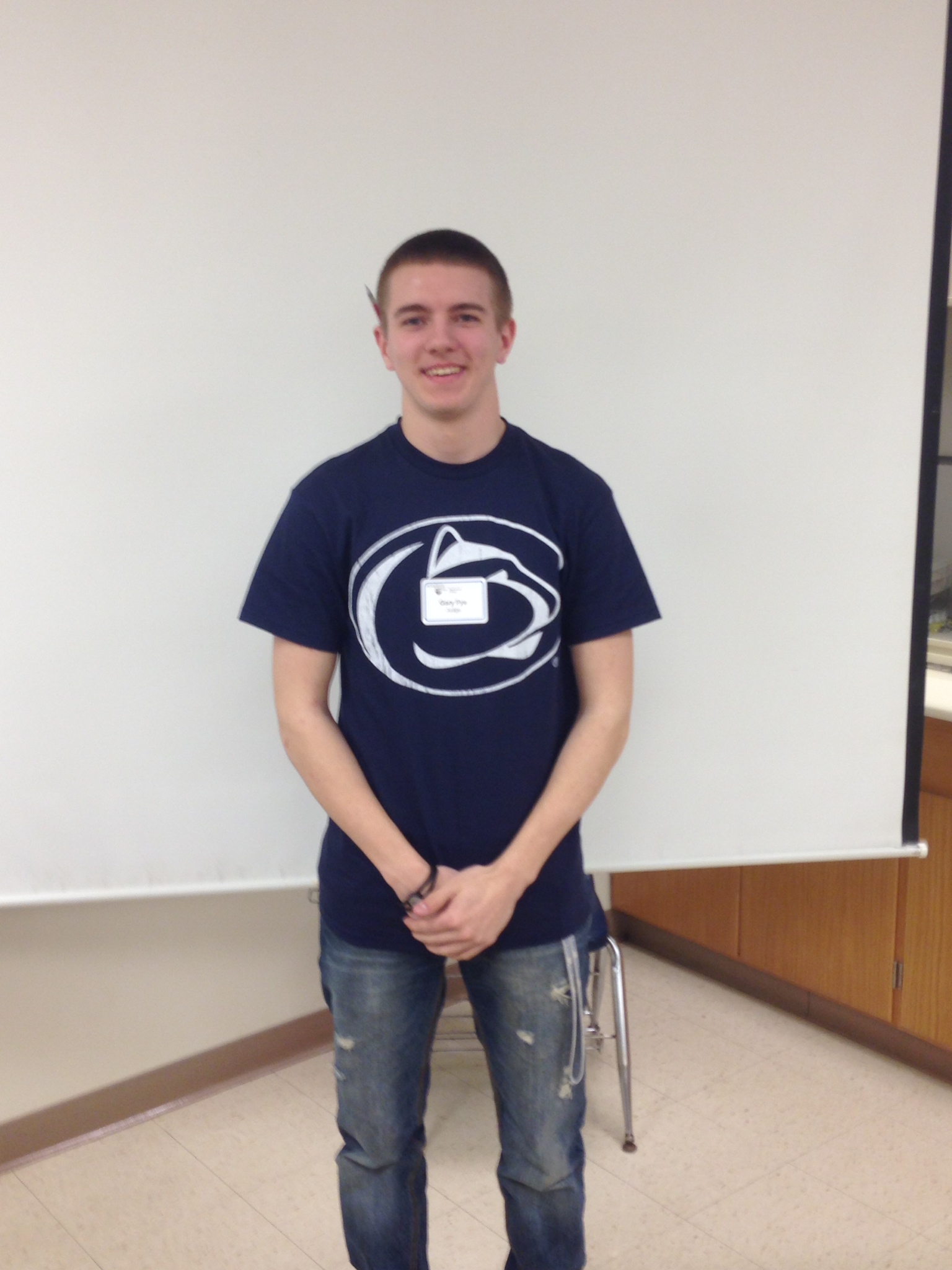
Fye1

By Steve Orbanek
Marketing Communications Specialist, Penn State Behrend

One of the Science Olympiad’s stated goals is “to create a passion for learning science.” If the organization is looking for an ambassador, it need not look any further than Gary Fye.

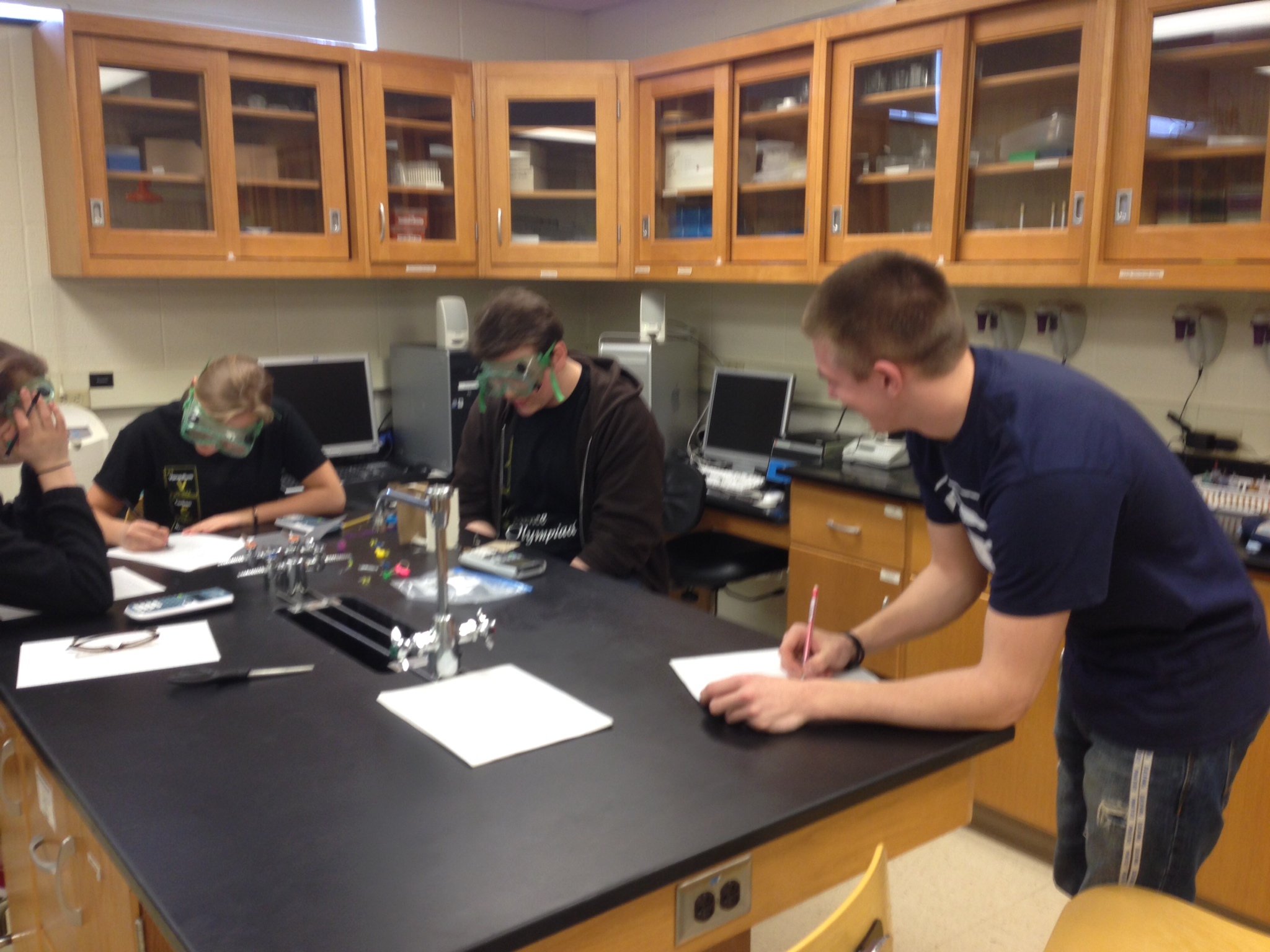
Fye, a first-year Biomedical Engineering major at Penn State Erie, The Behrend College, was a volunteer judge at the regional Science Olympiad held at Behrend this March.

More than 400 students from thirty-three area school districts competed in forty-six science-related events. Among the participating schools was North Clarion High School, which happens to be Fye’s high school alma mater.

From grades seven through twelve, Fye participated in the Science Olympiad. In fact, he took first place in at least one event every year but ninth grade.

“The time just never seemed to last long enough,” Fye said. “It was something I really, really enjoyed.”

That enjoyment is still present today. Although Fye was at home in Leeper, Pa., for spring break, he traveled on a bus with his former high school just so he could volunteer his time at the Science Olympiad.

Experimental Design, the event Fye judged, had participants experiment with a springboard and then propose a hypothesis based on that experiment. Experiments like this are what helped pique Fye’s interest in science and engineering years ago.

“It broadens your horizons. You really get a feel for lab work,” he said.

After attending his first Science Olympiad, Fye’s interest in science only grew. In middle school and early high school, he was appropriately nicknamed “Gary Fye the Science Guy.” The name referred to Fye’s love of science, but it was also a word play on Bill Nye, who was the host of the popular PBS children’s show “Bill Nye the Science Guy.” Fye also happened to be a big fan of Nye, which made the nickname an even better fit.

The Science Olympiad influenced Fye in another way as well. The event exposed him to Penn State Behrend.

“I would actually put that as one of the number one reasons as to why I’m here at Behrend,” Fye said. “It definitely introduced me to engineering concepts.”

So far, Behrend has been a good fit.
Earlier this winter, Nye visited Behrend as part of the college’s Speaker Series. Given his natural love of science and interest in the Science Guy, Fye was more than a little excited when he heard the news.
“I sat in the front row,” he said with a smile.

Fye2

THON 2014 leaves lasting impression on Behrend participants

1979476_716954071659330_2074900321_n

By Steve Orbanek
Marketing Communications Specialist, Penn State Behrend

After attending the last two THONs as a spectator, Wes Dorrenbacher thought he had a good idea of what to expect when he was selected as a dancer for this year’s event.

That all changed around hour thirty-four.

“It was probably around 3:00 a.m. on early Sunday morning,” Dorrenbacher said. “It was finally real to me. I was just so humbled and thankful for this experience. For the next twenty minutes, I drew on a towel ‘Thank you’ and just started walking around the Bryce Jordan Center.”

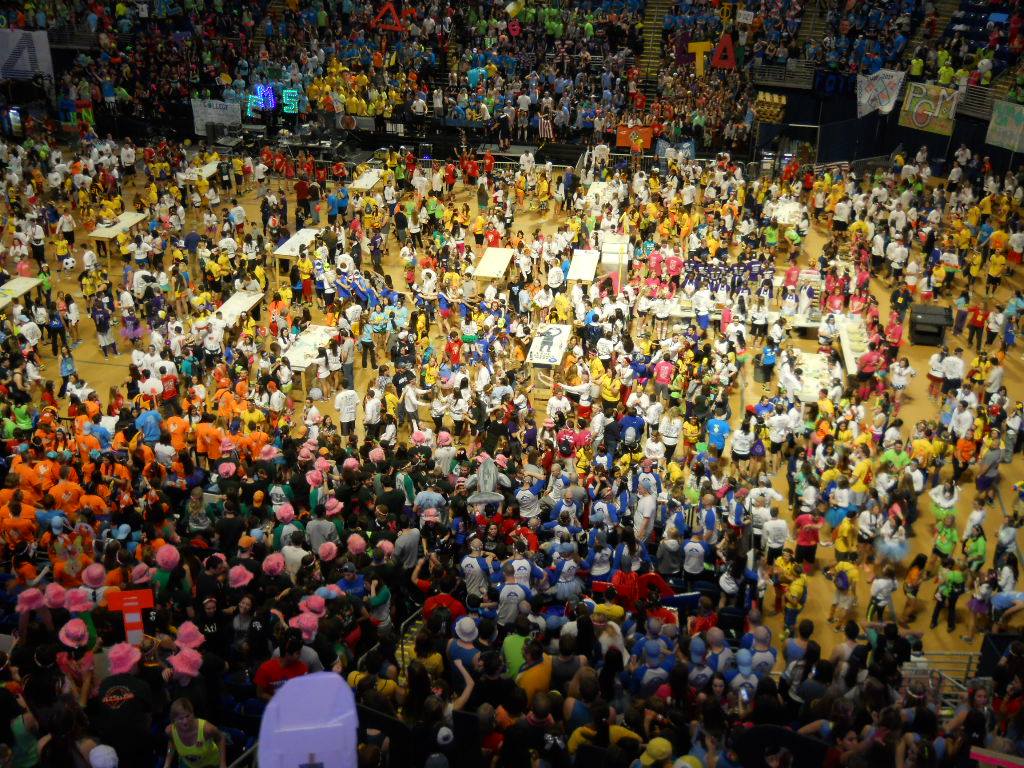
More than 15,000 students participate each year in the Penn State IFC/Panhellenic Dance Marathon (THON), a 46-hour no-sitting, no-sleeping event that has raised more than $114 million since 1977 for the Four Diamonds Fund at Penn State Hershey Children’s Hospital. The fund pays for counselors, social workers, music therapists, and other specialists whose work with children fighting cancer often is not covered by insurance.

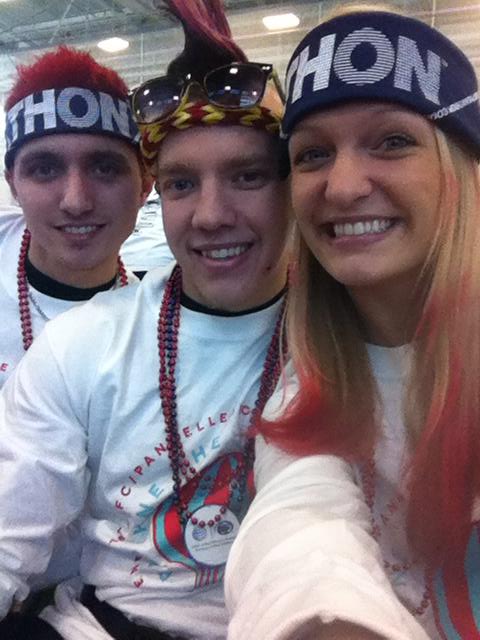
Dorrenbacher, a senior psychology major at Penn State Behrend, was one of 708 dancers at this year’s THON, which was held February 21-23 at University Park. He was joined by two other Behrend dancers, senior mechanical engineering major Nick Hirsch and freshman kinesiology major Rachael Hazen.

1909120_10151970698437285_1670254027_o

During the dance marathon, participants are assigned a “moraler” who encourages them to keep going. The support this person provides is essential as the dancers’ battle to stay awake is as much mental as it is physical.

Hirsch learned this the hard way Sunday morning.

“I got to Sunday morning, and I thought it was later than it actually was,” Hirsch said. “When my brain realized it wasn’t as late as I thought it was, my body just shut down.”

Thankfully, Hirsch’s moraler was there and managed to feed him some apples and bananas to help restore his energy. Frequent eating is one of the keys to getting through the marathon.

Of course, there are other methods. Spectators and kids patrol the Bryce Jordan Center with squirt guns filled with ice-cold water. Hirsch will be the first to admit that a splash to the face never felt so good.

“As soon as you get hit with that water, your brain just resets. The pain goes away, and your mind stops thinking about being tired,” Hirsch said.

However, even with the food, moralers, and squirt guns, participants inevitably struggle as they dance and force their minds and bodies to stay awake.

When a person’s body and mind gets pushed to such limits, emotions are inevitable. That’s exactly what Dorrenbacher felt early Sunday morning, but he feels that’s one of the draws of participating in THON.

“The delirium brings out the emotions you normally would not want to show,” Dorrenbacher said. “But that’s the point of the weekend — to bring out those weaknesses and show how much we care for this cause.”

When the event finally ended Sunday evening, an exhausted Dorrenbacher, Hirsch, and Hazen headed to Berkery Creamery for ice cream. It’s a tradition for Behrend participants to go to the creamery after THON.

Dorrenbacher said the emotion he experienced during that weekend was unparalleled to anything else he has felt in his life. In fact, the emotion stayed with him, even days after the event.

Both “Good Morning America” and ABC News World News covered THON in the days that followed the event. The Behrend dancers were even pictured briefly in the segments.

Dorrenbacher admitted that he started to tear up at just seeing a teaser for the segments. His emotion is indicative of the THON weekend and the profound effect it had on his life.

“THON was honestly the best weekend of my life to date,” Dorrenbacher said. “There’s nothing quite like fighting for a cause that is bigger than yourself.”

1620360_714125845275486_1195751710_n

Women in History Month: Meet Mary Beth McCarthy

By Steve Orbanek
Marketing Communications Specialist, Penn State Behrend

In recognition of Women’s History Month, we’d like to introduce you to just a few of the dynamic women in Penn State Behrend’s history.  Our college has a rich history of leadership and involvement by strong, forward thinking, and generous women. Each Monday in March, we’ll highlight a woman who has made, or is currently making, her mark on the college.

Today, we’d like you to meet Mary Beth McCarthy, one of Behrend’s first female administrators.

DSC_1083

Not much has stayed the same during Mary Beth McCarthy’s thirty-four years at Penn State Behrend. In fact, the only constant has been change.

“Behrend is just so exciting. It’s been growing and evolving since I got here in 1980,” said McCarthy, director of the college’s Academic and Career Planning Center (ACPC).

McCarthy was hired at the college in 1980 as the financial aid and placement coordinator. At the time, Student Affairs and Admissions were all in one office with a very small staff, and McCarthy assisted all students with their financial aid and also worked to help students find jobs after college.

For McCarthy, Behrend was an opportunity. She never expected that opportunity to turn into a career.

‘A blip on my radar’

A Pittsburgh native, McCarthy ended up in Erie after earning an undergraduate degree in psychology at Edinboro University of Pennsylvania and a master’s degree in counseling at Slippery Rock University of Pennsylvania.

She worked as an admissions counselor at Villa Maria College before accepting a position at Behrend. She never expected to stay in Erie for long, but that quickly changed.

“I thought I was just passing through. Erie was just a blip on my radar,” McCarthy recalled. “One of the reasons I stayed was because this place was always evolving. It’s just been so rewarding to be a part of such long-term positive growth.”

McCarthy has seen growth not only in the college, but also in the student body.

Over the years, she has offered career counseling to thousands of students, and she always revels in their success.

“It’s been wonderful to see students and the college embrace the idea of career and life planning rather than focusing simply on ‘placement’ into the first job.” McCarthy said.

MB McCarthy

Mary Beth McCarthy (1983)

A Behrend pioneer

When McCarthy joined the college in 1980, the environment was vastly different from that of today.

She was one of the only female administrators at the college, and Behrend was still very much a man’s world.

At lunch, there was a table for male staff members and a separate table for females. It was also strongly suggested that women follow a strict dress code of business suits with skirts. No pants were allowed.

However, the biggest sign of the times may have been a club that McCarthy was encouraged to join. Faculty Women and Wives was an organization composed entirely of Behrend female staff members and the wives of male staff and faculty members. They would take part in various activities such as fund-raising, and hosting social events.

Eventually, the group was disbanded, but it is reflective of the college environment at time McCarthy was hired.

As one of the college’s first female leaders, McCarthy might be described as a pioneer, but she’s hesitant to embrace that term.

“I think I happened to be the first at a time when things were changing anyway,” McCarthy said. “So I don’t really see myself as a pioneer.”

‘It was like the whole campus was pregnant’

Throughout her time at Behrend, McCarthy said she has always been able to count on a friendly work environment. That was probably most evident in 1983 when she was pregnant with her first child.

“It was like the whole campus was pregnant,” McCarthy said.

The idea of a staff member having a baby seemed brand new to Behrend, and McCarthy’s colleagues showered her with support. Bob Schenker, who was the college registrar at the time, would clean the snow from her car each evening before she went home.  She had two baby showers, one sponsored by the entire campus, and another hosted by a group of students.  Carolyn Lane, wife of Ben Lane, director of admissions, made a quilt for McCarthy’s baby-to-be.

This kindness set the tone for her as she advanced in her career. She says she has tried to replicate that kindness when she deals with staff members and students.

“I had this wonderful relationship with everyone because we were so small,” McCarthy said. “I was a young professional at the time, and I learned that the strong relationships were why the college was successful. Since my basic nature is to be friendly and open, I felt like I could be that person and still help to make my office successful.”

Start of a new chapter

This fall, McCarthy will close the book on the Behrend chapter of her life. She will retire in September, but her definition of retirement is a tad unconventional.

“For me, I want to learn as much more as I can, about everything I don’t know,” McCarthy said. “I’m also thinking about doing some leisure life coaching where I help other people transition to a new life after the work world.  Retirement isn’t about leaving the work world for me. It just means that it’s time to do something new.”

 lake erie lifestyle pics 021

About Mary Beth McCarthy

Children: Two sons: Robin (30) and Cory (26)

Hobbies: “Juggling parenthood and family-life took a lot of my free time early on. Gardening has been a life-long passion and I was lucky enough to become involved with the Erie chapter of the Penn State Master Gardeners about ten years ago. I have also become a late-in-life rails-to-trails bicycler and a day hiker!”

Favorite thing about Penn State Behrend: “All of the great people that I have met along the way.  Many of my life-long friends, including my best friend of twenty-five years as well as my partner are here on this campus.  In addition, I love the Arboretum and have been known to give group tours throughout the years.  Since I’m a big fan of the arts, I try not to miss the Logan Series and Rhythm of Life concerts.”

Best advice for today’s students: “Choose what you love. Years ago, choosing a college major was viewed as a way to decide what to do with the rest of your life. Today, it’s much more about what to do first, with many life-time possibilities ahead!”

Behrend Reacts: What are your plans for spring break?

BehrendReactslogolarge

By Steve Orbanek
Marketing Communications Specialist, Penn State Behrend

Don’t look now, but spring is right around the corner. Can’t you tell?

Despite the wintery weather, Penn State students will be on spring break next week.

Spring is usually associated with warmer weather and flowers, but here in Erie, it seems unlikely that we’ll escape this polar vortex anytime soon.

Of course, spring break allows students the perfect opportunity to escape the cold… at least for a little while.

We asked some Penn State Behrend students what their plans are for the break:

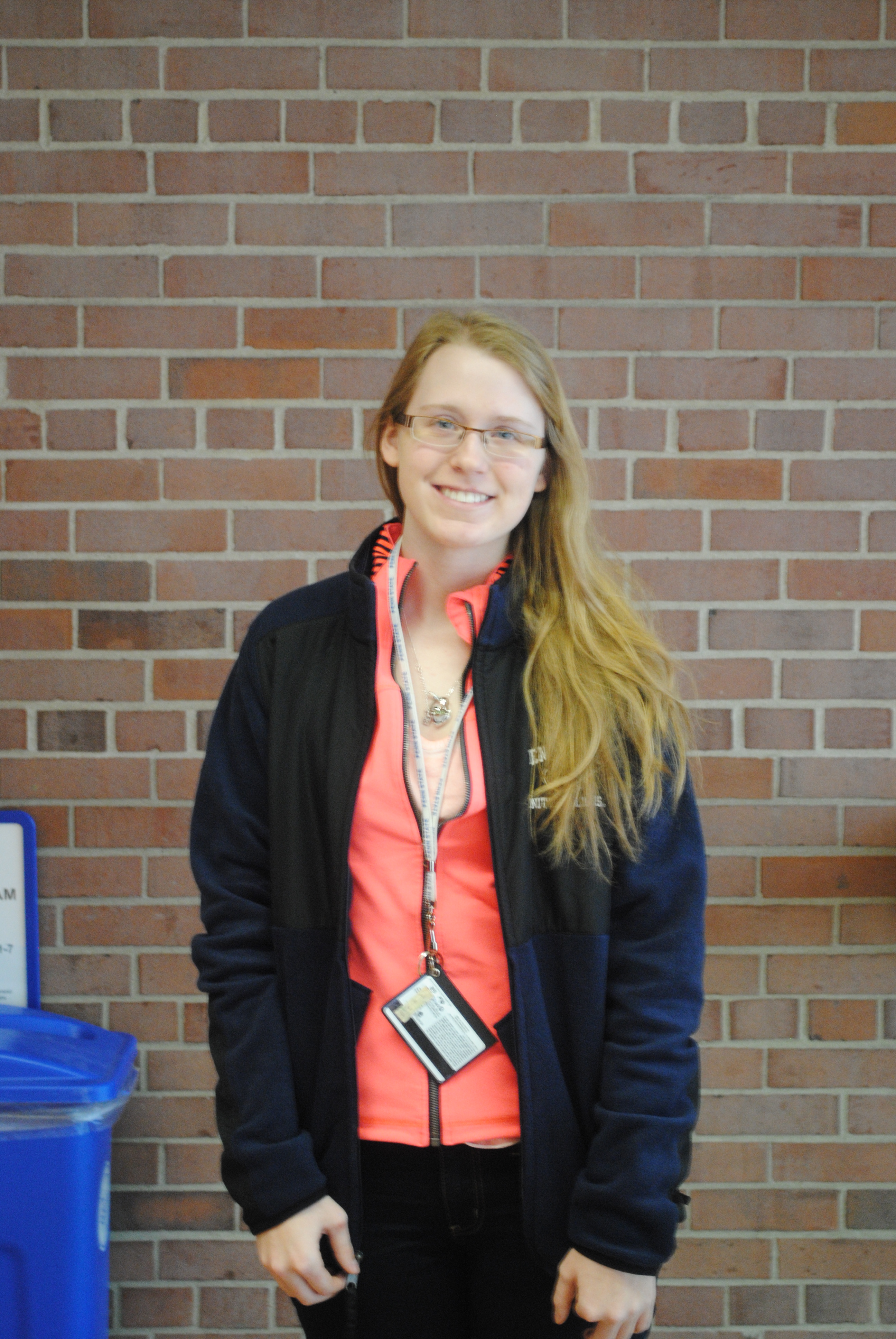
Shayleana Randle

Shayleana Randle, sophomore, Art Administration: “I’m going to Rhode Island to visit my grandmother.”

Sean Dalton

Sean Dalton, freshman, Chemistry: “I will mostly just be at home taking care of my daughter.”

Cassie Cristea

Cassie Cristea, freshman, Business: “I am going home to Warren to visit family and friends.”

Jeremy Maurer

Jeremy Maurer, junior, Psychology: “I’ll be going home to DuBois to spend time with my family.”

Alan Buckel

Alan Buckel, senior, Interdisciplinary Business with Engineering Studies: “I’m going to Colorado to snowboard.”

Matt Vipond

Matt Vipond, freshman, Mechanical Engineering: “I’ll be working on a service project in Erie.”

Justin Corwin

Justin Corwin, junior, Letters, Arts, & Sciences: “I’ll be working construction.”

Kara Wenzel

Kara Wenzel, sophomore, Math: “I’ll be doing nothing but homework.”

Josh Wilkins

Josh Wilkins, sophomore, Chemistry: “I’m staying in Erie and will just be relaxing and spending time with my girlfriend.”

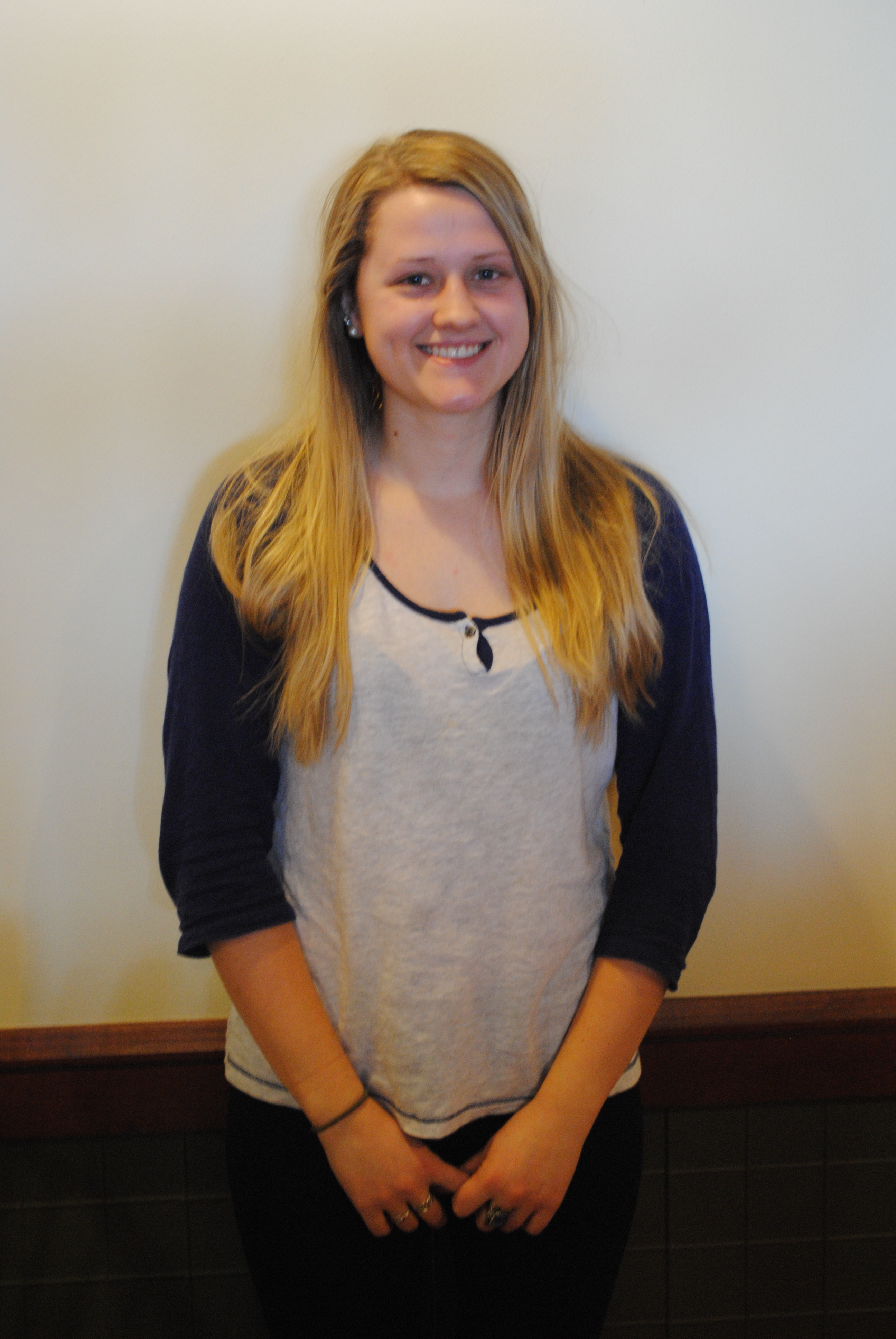
Jen Gibson

Jen Gibson, sophomore, Marketing: “I’m going to Florida to visit my friend.”

Tyreck Green

Tyreck Green, freshman, undecided: “I won’t be doing anything exciting; just chilling.”

Behrend Reacts is a regular Thursday feature at the Behrend Blog that tries to get the campus pulse on a current topic, whether it’s serious or trivial. If you have a question to suggest for Behrend Reacts, please email Steve Orbanek at sco10@psu.edu.

Like Us: facebook.com/pennstatebehrend

Follow Us: Instagram.com/psbehrend

Tweet Us: twitter.com/psbehrend

Watch Us: youtube.com/pennstatebehrend1

Women in History Month: Meet Mary Behrend

By Heather Cass
Publications & Design Coordinator, Penn State Behrend

In honor of Women’s History Month, we’d like to introduce you to some interesting women in Penn State Behrend’s history.  Our college has a rich history filled with strong, intelligent, and generous women, from Mary Behrend, who donated her Glenhill estate to establish the campus, to Dorothy Holmstrom, the first student (and an engineering student, at that) to enroll in 1948. Each Monday in March, we’ll highlight a woman who has made, or is currently making, her mark on the college.

Today, we’d like you to meet Mary Behrend, the “mother” of Penn State Behrend.

 
 LR Mary Behrend

The butterfly effect and Penn State Behrend

Most of us are familiar with the butterfly effect, the phenomenon whereby a small change in a complex system can have large effects elsewhere, but do you ever think about how it comes into play in your own life?

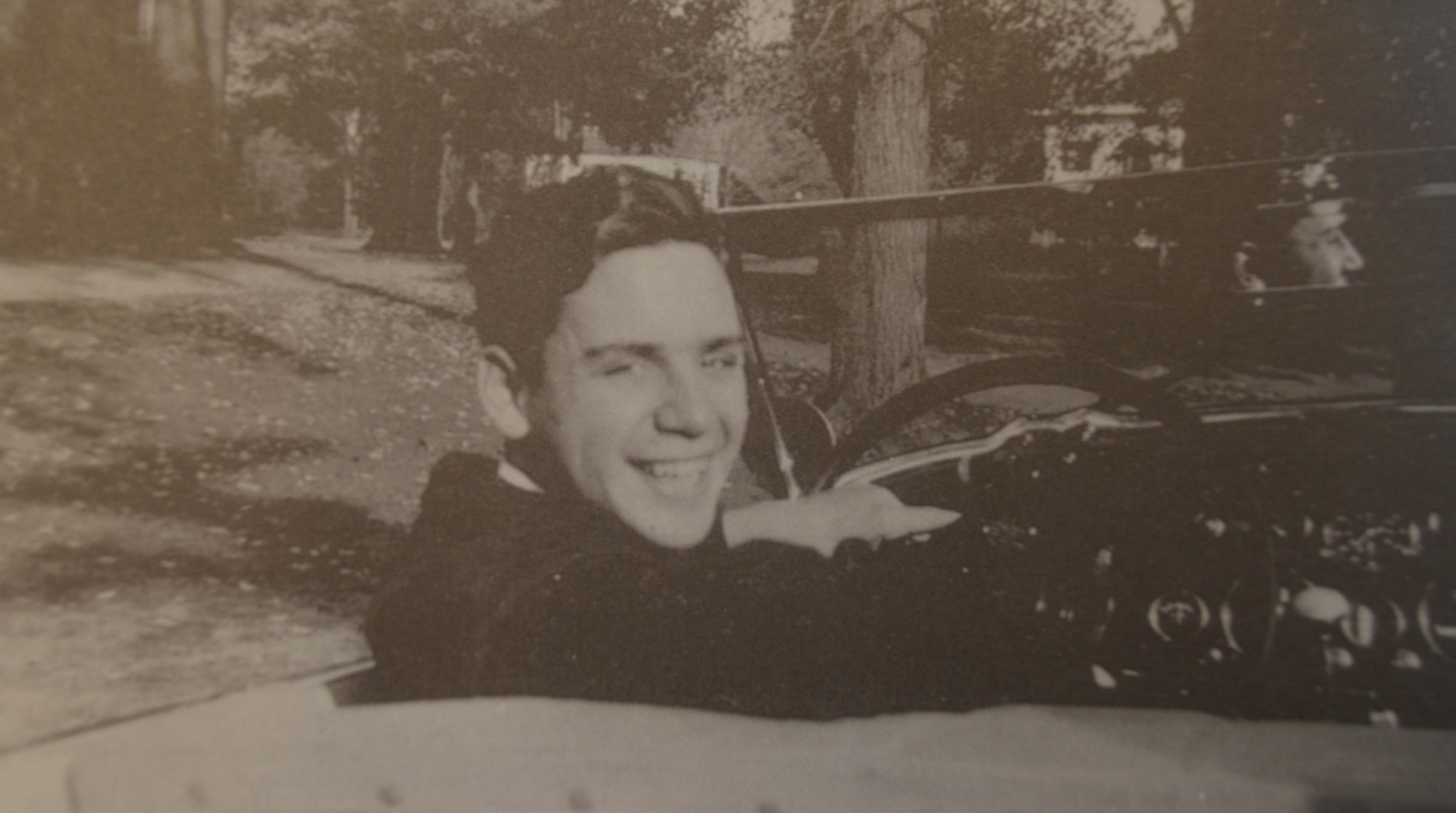
Case in point: Were it not for the tragic and untimely death of Ernst and Mary Behrend’s 20-year-old son, Warren, who died in a car accident in December 1929, Penn State Behrend would probably not exist and tens of thousands of people would not have earned degrees and gone on to change, improve, and enhance the world around them.

Warren died a hero. He and a friend were headed south on Christmas break when a bus full of school children cut in front of them in Pleasant Hill, North Carolina. Warren swerved off the road to avoid a collision. He was killed instantly. His passenger lived and no one on the bus was injured.

warren - from Behrend Remembered

Warren Behrend (source: Behrend Remembered)

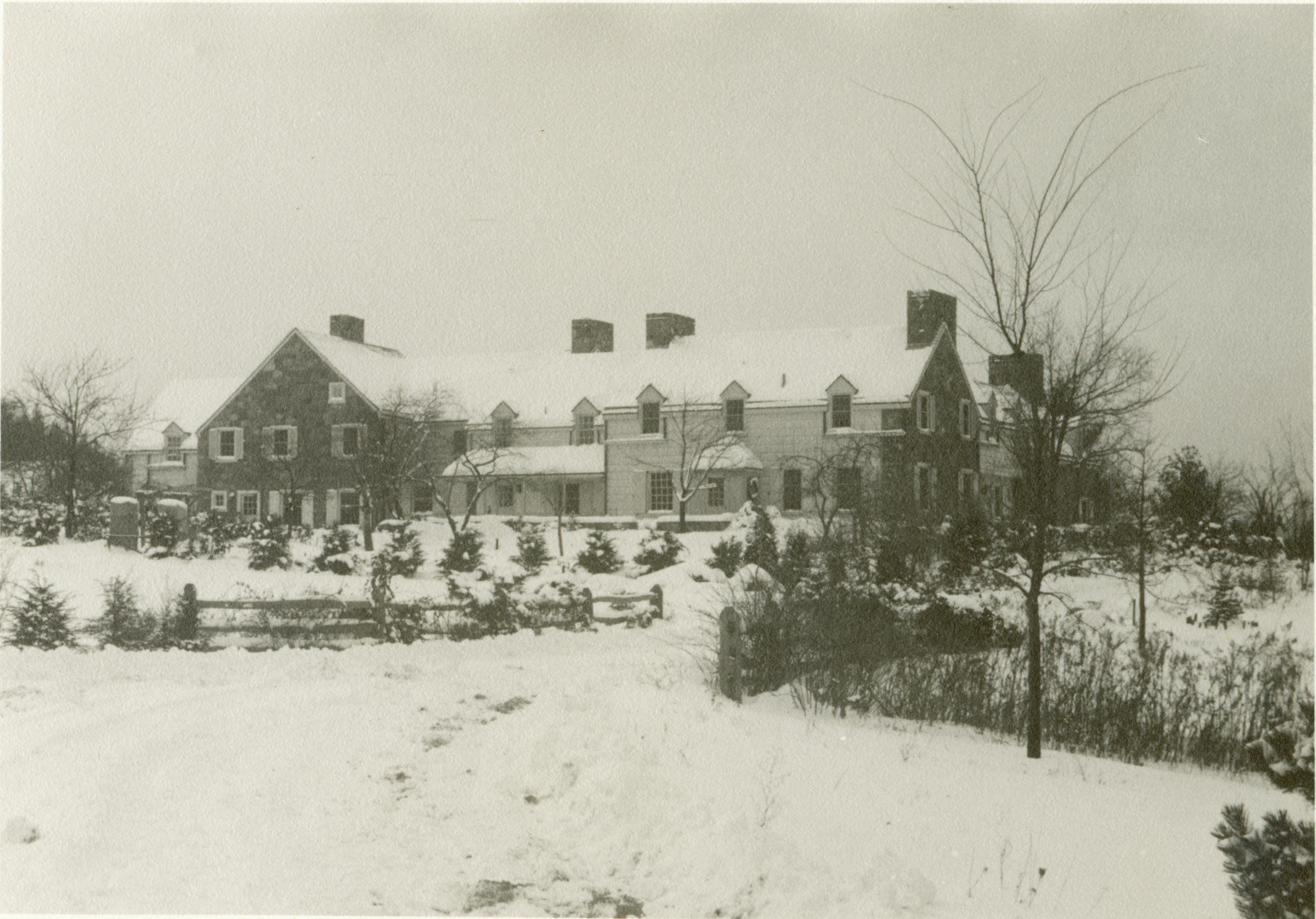
Had Warren survived, it’s unlikely his mother would have donated his family’s country estate – Glenhill farmhouse — and the 400 acres surrounding it to Penn State.

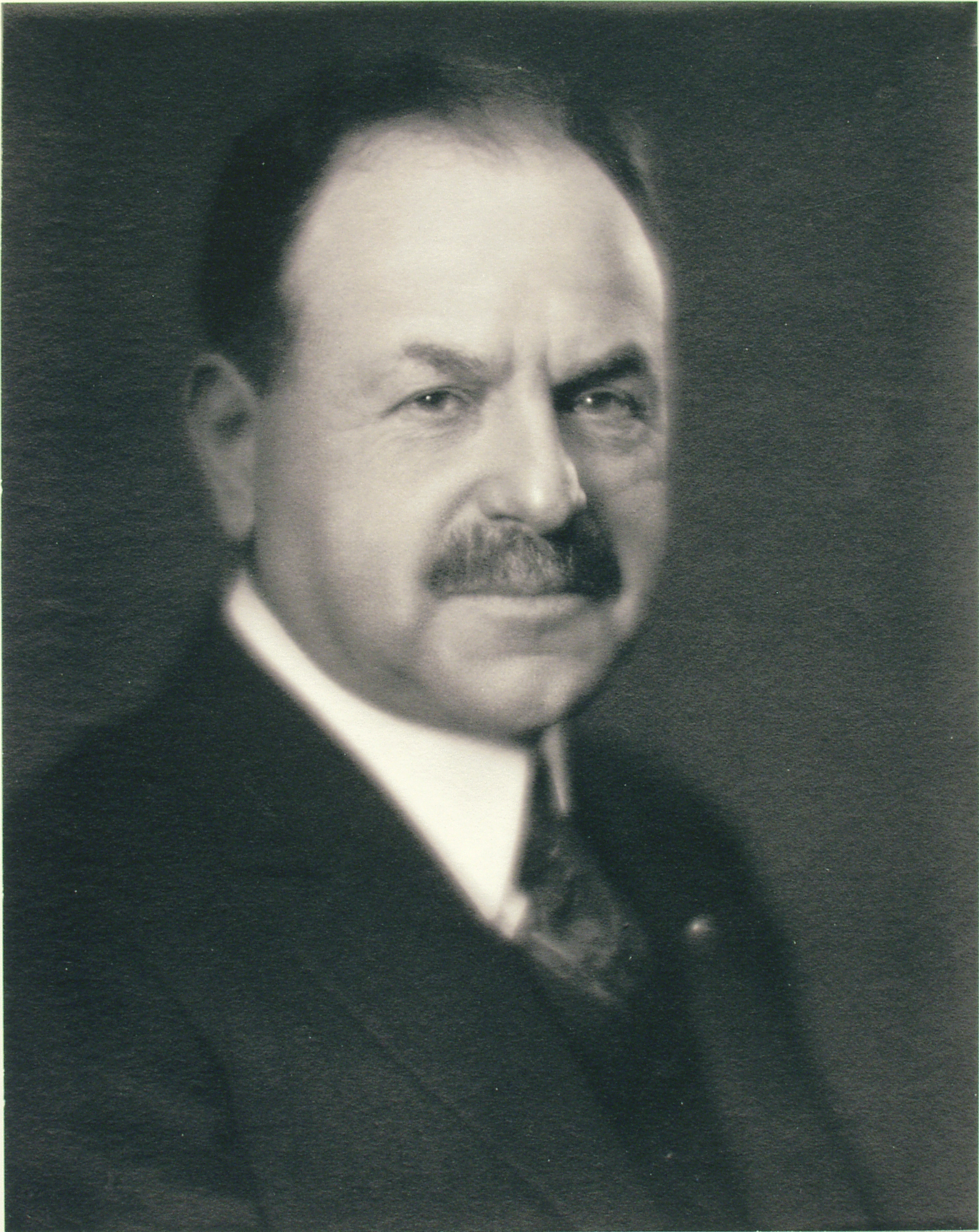
In his book Behrend Remembered, author Benjamin Lane, associate professor of English and dean of Student Affairs emeritus, explains, “With Ernst Behrend’s death in 1940 a decade came to an end in which events had conspired to extinguish the legacy of his family name. His only son had died in 1929. One of his brothers had committed suicide a few years later, and the other had no children.”

OLYMPUS DIGITAL CAMERA

Ernst Behrend

It would seem that the Behrend name would be extinguished, but in the spring of 1948 Mary encountered two men from Penn State who had come to Erie to search for a place to establish an extension campus.

Archives 001

Glenhill Farmhouse

A lasting legacy

With her daughter Harriet grown and married and her husband and son deceased, Mary had been thinking that it may be time to sell the farm. On a stop by Glenhill on her way back from a trip to California, Mary noticed two men walking near the swimming pool. Ever the gracious host, she went out to greet the men. She gave them a tour of the farm and was happy to learn that they were interested in acquiring the property to establish a center for higher education.

harriet and bruno2-from Behrend Remembered

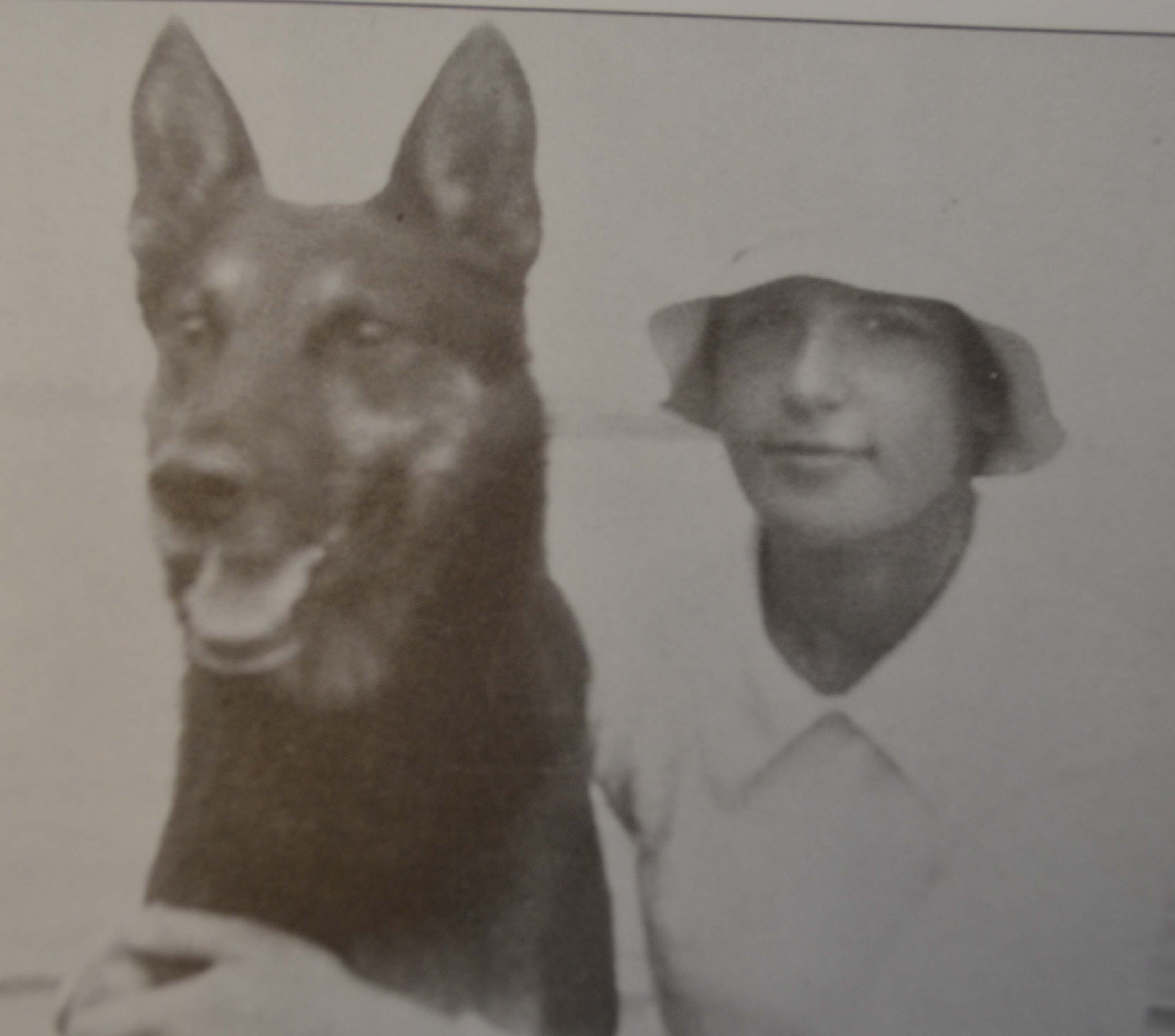
Harriet Behrend and her beloved dog, Bruno

A few days later, after discussing it with her daughter, Harriet, Mary decided to donate the property to the college, saying “I think this is something that would be a wonderful memorial to Father—something he almost could have planned himself. I think I should give it all to the college.”

And, in that gift, the Behrend name will live on forever.

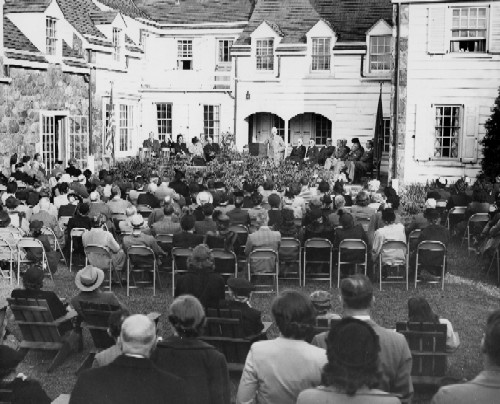
Dedication of Behrend Center, October, 1948

Dedication in 1948

At the dedication of what was then known as the Behrend Center on October 30, 1948, (photo above) Mary said “Looking back over the years, I know I was able to make two important and very right decisions. The first was in 1907 when I consented to marry Ernst Behrend. The second decision…was to make this outright gift to the Pennsylvania State College of Glenhill Farm as a memorial to my husband.”

It’s a fitting tribute to Ernst Behrend who, along with his father and brothers, Bernard and Otto, founded Hammermill Paper Company, an innovative and respected leader in the paper industry for nearly 100 years, in Erie.
According to Behrend Remembered, for many years Mary visited the college annually to meet with administrators and board members as well as students. She took pleasure in chatting with students individually and took genuine interest in them.

Mary Behrend4

As the school grew, it became impossible for Mary to speak with each and every student, but she tried to meet as many as she could before addressing a mass audience, which it was said she did with true affection, like any proud mother would.

About Mary (Brownell) Behrend 1879-1976

This slideshow requires JavaScript.

Family: Husband, Ernst (1869-1940); son, Warren (1909-1929); daughter, Harriet (1911-1986)

Nickname: Molly

Hobbies: Playing the harp, painting, horseback riding, gardening, and throwing dinner parties.
Well-traveled campus: Mary and Ernst loved world travel and would often bring back a tree as a sort of living souvenir. Their journeys are the reason that Penn State Behrend has a unique collection of exotic trees and is a recognized member of the American Public Gardens Association.

untitled

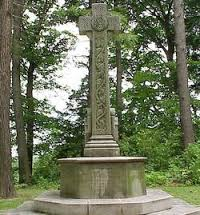
Monument to Warren: The Behrends erected a monument by the side of  the highway in North Carolina to mark the spot where their son had died. Years later, when the state decided to widen the road, the monument was moved to Erie. It now stands before the entrance to the Behrend chapel in Wintergreen Gorge Cemetery.

Hanging of the Greens: Each December following Ernst Behrend’s death in 1940, Mary would have a wreath of Christmas greens cut and placed on the door of the Behrend chapel in Wintergreen Gorge Cemetery. In 1948, T. Reed Ferguson, administrative head of the new Behrend Center, decided to continue this practice as a sign of thankfulness and respect to the Behrend family. Every year since then, a brief informal service led by Behrend administrators and students has been held in the chapel. It’s the college’s oldest tradition.

A Memorial for Mary

After attending the Hanging of the Greens ceremony in 2012, a group of student leaders led a campaign to create a memorial on campus befitting Mary Behrend.

“A bunch of us got together and brainstormed ideas” said D.J. King, a senior Marketing major. “We wanted to do something prominent and eventually settled on the idea of a monument.”

The memorial—to be located next to the Studio Theatre, across from Glenhill Farmhouse—includes a monument in a plaza of engraved pavers. At least 500 pavers must be sold to begin construction. Learn how you can buy a paver and leave a permanent mark on campus here.

C:UsersBrian WeberDocuments0_Weber Architecture_mobileProj

Behrend Reacts: What would you like to see win Best Picture at the Oscars and why?

BehrendReactslogolarge

By Steve Orbanek
Marketing Communications Specialist, Penn State Behrend

Gather your snacks, pop some corn, and find a comfy seat on the couch for the 86th Academy Awards on Sunday.

According to the Los Angeles Times, the Best Picture category looks to be a three-horse race between Gravity, 12 Years a Slave, and American Hustle. Other nominees include: Captain Phillips, Dallas Buyers Club, Her, Nebraska, Philomena, and The Wolf of Wall Street.

We asked students which movie they thought should win:

Kara Drapcho

Kara Drapcho, sophomore, Nutrition: “I would say American Hustle because it was funny, action-packed, and had a little bit of everything.”

Jim Shaver

Jim Shaver, freshman, Math Education: “American Hustle because out of all the nominees, that’s the one I’ve heard the most about.”

Charissa Ford

Charissa Ford, freshman, Finance: “Out of all of the nominees, I’ve heard the most about Gravity, but if I could choose one to watch, I’d probably choose 12 Years a Slave.”

Tina Rexhepi

Tina Rexhepi, freshman, Nursing: “I haven’t seen Wolf of Wall Street, but I’ve heard people comment on how good it is.”

Jeffrey Memnon

Jeffrey Memnon, junior, Finance: “Wolf of Wall Street because it’s based on a true story and based on financial stuff, which is fun and interesting.”

Rebekah Protulipac

Rebekah Protulipac, freshman, Biology: “Wolf of Wall Street because it depicted Wall Street pretty accurately.”

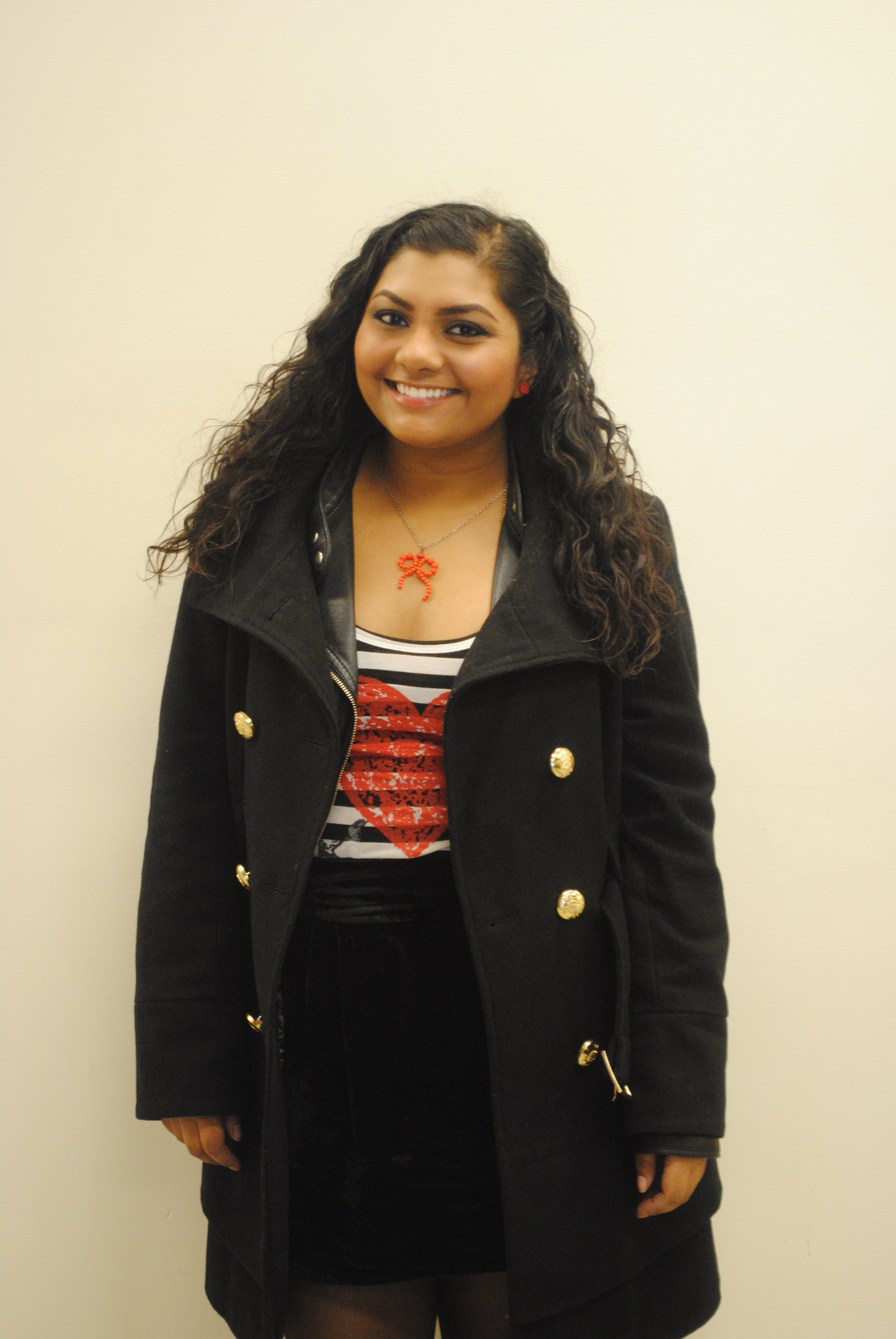
Rayna Ganabathi

Rayna Ganabathi, sophomore, Communication: “It’s really tough because I really loved 12 Years a Slave and Wolf of Wall Street. I would be happy with anything but American Hustle. I just was not impressed with it.”

Mina Mikar

Mina Makar, senior, Mechanical Engineering: “I would say Her because it’s so genuine.”

Tyler Marweg

Tyler Marweg, sophomore, International Business and Economics: “Wolf of Wall Street because it always had me on the edge of my seat, and it provided insight on what Wall Street is really like.”

Austin Martini

Austin Martini, sophomore, History: “Wolf of Wall Street because it was the best bro-Bible movie ever.”

Casey Labuda

Casey Labuda, freshman, Nursing: “Wolf of Wall Street because Leonardo DiCaprio is hot.”

Behrend Reacts is a regular Thursday feature at the Behrend Blog that tries to get the campus pulse on a current topic, whether it’s serious or trivial. If you have a question to suggest for Behrend Reacts, please email Steve Orbanek at sco10@psu.edu.

Like Us: facebook.com/pennstatebehrend

Follow Us: Instagram.com/psbehrend

Tweet Us: twitter.com/psbehrend

Watch Us: youtube.com/pennstatebehrend1

Cross country ski trail emerges on Behrend campus

DSC_1121

By Steve Orbanek
Marketing Communications Specialist, Penn State Behrend

Punxsutawney Phil saw his shadow this year, so it looks like there are a few more weeks of winter left.

But why waste time complaining about it? Dr. Chris Coulston certainly isn’t.

Coulston, associate professor of Electrical and Computer Engineering at Penn State Behrend, has always been an avid runner and cyclist but he decided to try his hand at cross country skiing this winter. He had the perfect training grounds: the campus of Penn State Behrend.

Coulston decided to make use of the wooded area and fields that stretch from the Erie parking lot to Logan House. He developed a one-mile, looped ski trail, which he now frequents on snowy afternoons.

I caught up with Coulston to ask him a few questions:

Steve: When did you start skiing?

Chris: The impetus for taking up cross country skiing was being a member of Team Behrend for the Highmark Quad Games.  In mid-December, I realized that I’m going to have to ski the Quad, and the original date was the second week of January. I thought, “I have to pick this up and figure this out.” That was an important consideration for where this loop came from because I needed something flat and easy to practice on. I put the skis on for the first time in the parking lot down by the tennis courts, and I fell over a lot. It was pretty awkward the first couple of times, but you just watch YouTube videos to see what other people are doing.

Steve: How was the Quad Ski?

Chris: It was my first time competing, and I would say that I didn’t embarrass myself. There were some very talented skiers out there who obviously mastered the technique much better than I have, so I still have a long way to go. Aerobically, it was very challenging. There’s a skill level to it that running doesn’t really require.

Steve: Why do you enjoy skiing?

Chris: When I look at training, I see it in two parts: the engine and the drive train. Cross country skiing is very good for my engine training. It’s not going to hurt the drive train portion of my training, but it’s not exercising muscles that I’ll use in running or biking. That’s actually a good thing because I won’t beat them up in the early part of the season. I enjoy skiing as a form of healthy living and as a thing that helps me to embrace the winter months. It’s lemonade out of lemons. It’s nice to take the weather that you have and do something that you can’t do in Texas or Utah.

Steve: How did you come up with this one-mile course?

Chris: I do a lot of training, which I define as exercise with a goal in mind. Right now, I’m training for a 50-mile run in June, so I exercise every day, and I need to make it convenient. I need low overhead, and that means a location that’s easy to get to. For cross country skiing, it’s nice to have wide-open, flat spaces to learn, and our playing field fit the bill perfectly. I have a GPS watch to measure performance, including distance, and I used that to measure the course.

yo

Steve: How many loops do you usually do?

Chris: As an athlete, I typically measure workouts in terms of time and intensity more than distance. It usually takes me fifteen minutes for a loop, and I typically do an hour. That’s at a moderate effort level. Twelve minutes is fast while twenty minutes is pretty casual.

Steve: Has the course caught on at all around campus?

Chris: I met a staff member down there from the School of Science, and we did the loop together. I’ve advertised it on Facebook, and I’ve seen other local athletes going out there and using the trails. The nice thing with cross country skiing is that the course gets better after frequent use. I say the more people that join the party, the better.

Steve: Why would you encourage students and staff to take advantage of this opportunity?

Chris: It’s pretty unique. People typically ski on golf courses or go to Wilderness Lodge. But you have this really nice resource right here, and it’s just cool to get outside because we’re stuck inside all day. It’s an interesting terrain. You get to see the lake at one point, you get to see trees, fields, and it’s quiet. It’s a quick, smallish loop, and I’m pretty pleased with it.

Thinking of cross country skiing? Here are some videos that can help you get started:

http://www.youtube.com/watch?v=p_HihVl7QKw

http://www.youtube.com/watch?v=eRjFcZRNR1Q

http://www.youtube.com/watch?v=AnJvNatohdM

“Hip-hop violinist” Damien Escobar impresses audience at Behrend

DSC_1111

By Steve Orbanek
Marketing Communications Specialist, Penn State Behrend

The pairing of a violin and hip-hop music may seem unconventional, but not for Damien Escobar. After all, it’s all he knows.

“As a kid, I was married to (Johann Sebastian) Bach and Dr. Dre,” Escobar said with a smile.

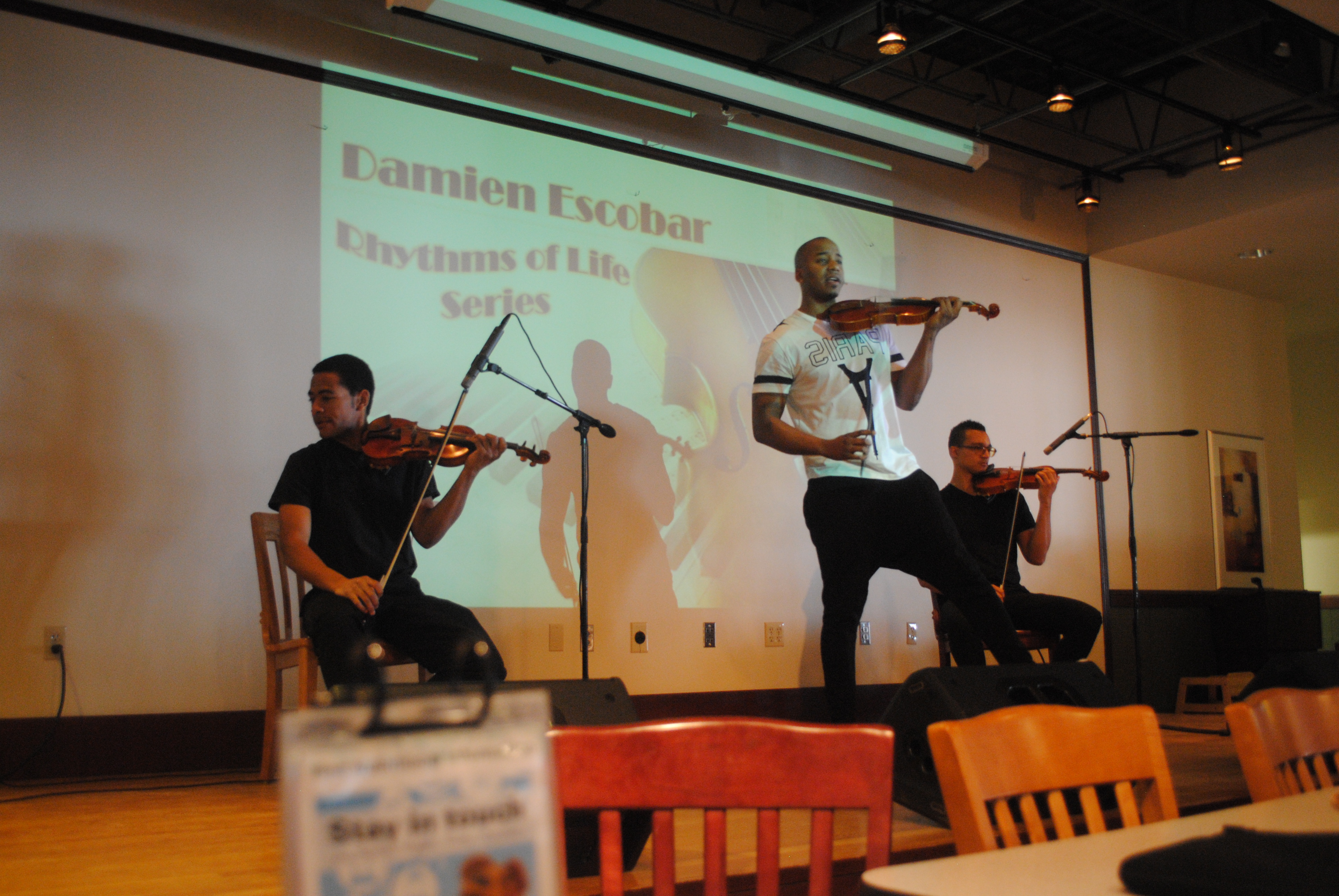
Escobar, who is appropriately known as the “hip-hop violinist,” put his talents on display Wednesday, February 19, as he played a lunchtime concert at Penn State Erie, The Behrend College, as part of the college’s Rhythms of Life series. The series, which began in September 2002 and is sponsored by the college’s Office of Educational Equity and Diversity Programs, promotes cultural awareness on campus.

“I have always felt that the series is very important for the college, not only in regard to promoting diversity, but it enhances the atmosphere and livens up things,” said Andy Herrera, director of the Office of Educational Equity and Diversity Programs.

Escobar certainly did his part to help liven up things Wednesday. Spectators quickly took notice of the austere sounds of a bow on strings combined with the booming volume of hip-hop beats.

One female student turned to her friend and said, “I really like this,” and they both then proceeded to take a seat at Bruno’s Café, where the concert was being held. Other students and staff members quickly followed suit.

DSC_1109

According to Escobar, this ability to draw listeners in is not by accident. Escobar, who was the youngest student at The Juilliard School in New York City when he was accepted at age 9, said he’s always been able to create great music.

Even as a young child, the Jamaica Queens, NY, native could seamlessly merge musical styles in a way that was enjoyable to the ears.

“This is just what would come out,” said Escobar. “I just have a deep understanding of how to put the two genres together in a way that makes sense.”

Escobar is not the only one in his family with musical talent. His brother, Tourie, also specializes in combining the sounds of the violin and hip-hop.

The two blended the styles together from 2004 to 2012 as the musical duo Nuttin’ But Strings. Since then, Escobar has decided to pursue a solo career. His first solo album, “I Am Me,” is scheduled to be released sometime in 2014.

Escobar promises to have an album ranked in the Top 40 within the next year. He said he knows his sound is unique compared to everything else that’s currently popular, but he believes that’s what makes it so strong.

His sound is different by design, and that’s also the advice that he gives to anyone else who might be interested in getting into the music industry.

“I can’t give people advice on how I did it, but I can say that they should identify what’s trending and do the exact opposite. It’s going to take a lot longer, but you’ll find your niche,” Escobar said.

He’s confident that he’s found his.

“There are a million rappers out there, but there’s only one Jay-Z,” Escobar said. “There are a million violinists out there, but there’s only one Damien Escobar.”

Behrend Reacts: What’s your idea of a perfect romance?

BehrendReactslogolarge

By Steve Orbanek
Marketing Communications Specialist, Penn State Behrend

It’s that time of year again. As the old saying goes, “Love is in the air.”

Valentine’s Day is this Friday, which means that plenty of flowers will be delivered, chocolates will be purchased, and five-star restaurants will be frequented. All of this is done for one thing: romance.

We asked Behrend students to explain their idea of a perfect romance. Here are the responses that we received:

Erica Nowak (2)

Erica Nowak, sophomore, Communications: “Just spending time with another person you love.”

Patrick Nowak

Patrick Nowak, senior, Accounting: “A nice dinner where you get to spend good, quality time together.”

Kalli Oberlander

Kalli Oberlander, junior, Creative Writing: “Finding a partner who complements you.”

Adam Correll

Adam Correll, sophomore, Electrical Engineering: “Spending an evening with a loved one at home. Just cuddling means the world to me.”

Ronald Cox

Ronald Cox, freshman, Physics: “A faith-based relationship with mutual respect.”

Nicole King

Nicole King, sophomore, Mechanical Engineering: “A perfect romance would be someone who is very kind and considerate of others, funny, athletic, easy on the eyes, and creative.”

Danielle Hardy

Danielle Hardy, freshman, Biology: “The person definitely has to be creative.”

Mike Rahe

Mike Rahe, freshman, Mechanical Engineering: “Getting together with someone you’ve been friends with for a long time.”

Summer Maas

Summer Maas, freshman, Science: “Somebody who can make you laugh.”

Behrend Reacts is a regular Thursday feature at the Behrend Blog that tries to get the campus pulse on a current topic, whether it’s serious or trivial. If you have a question to suggest for Behrend Reacts, please email Steve Orbanek at sco10@psu.edu.

Like Us: facebook.com/pennstatebehrend

Follow Us: Instagram.com/psbehrend

Tweet Us: twitter.com/psbehrend

Watch Us: youtube.com/pennstatebehrend1