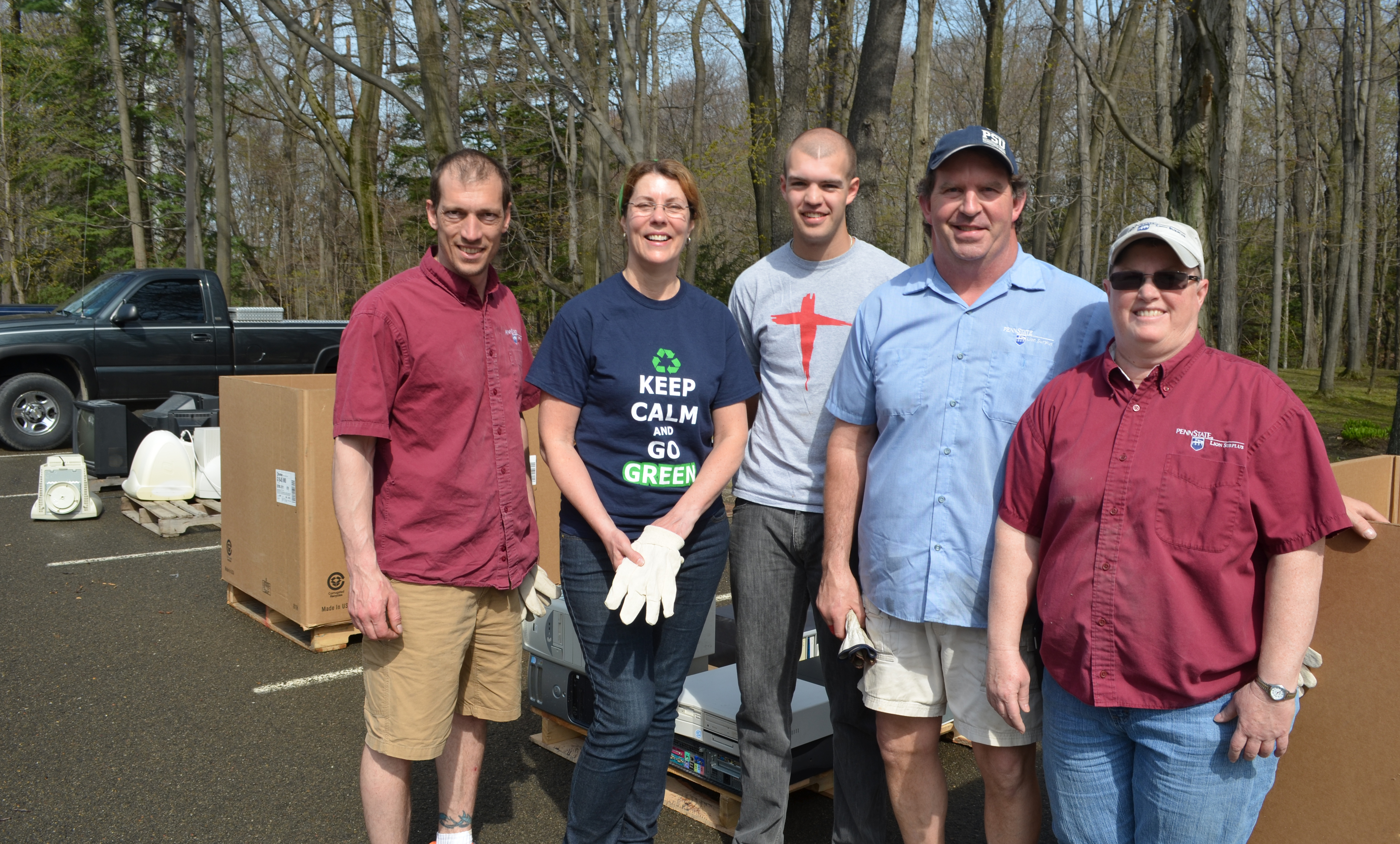
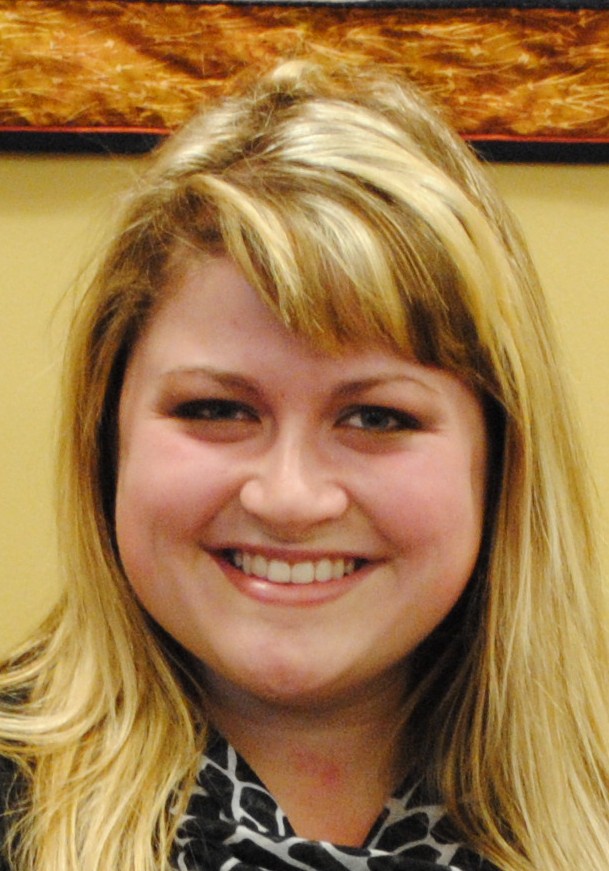
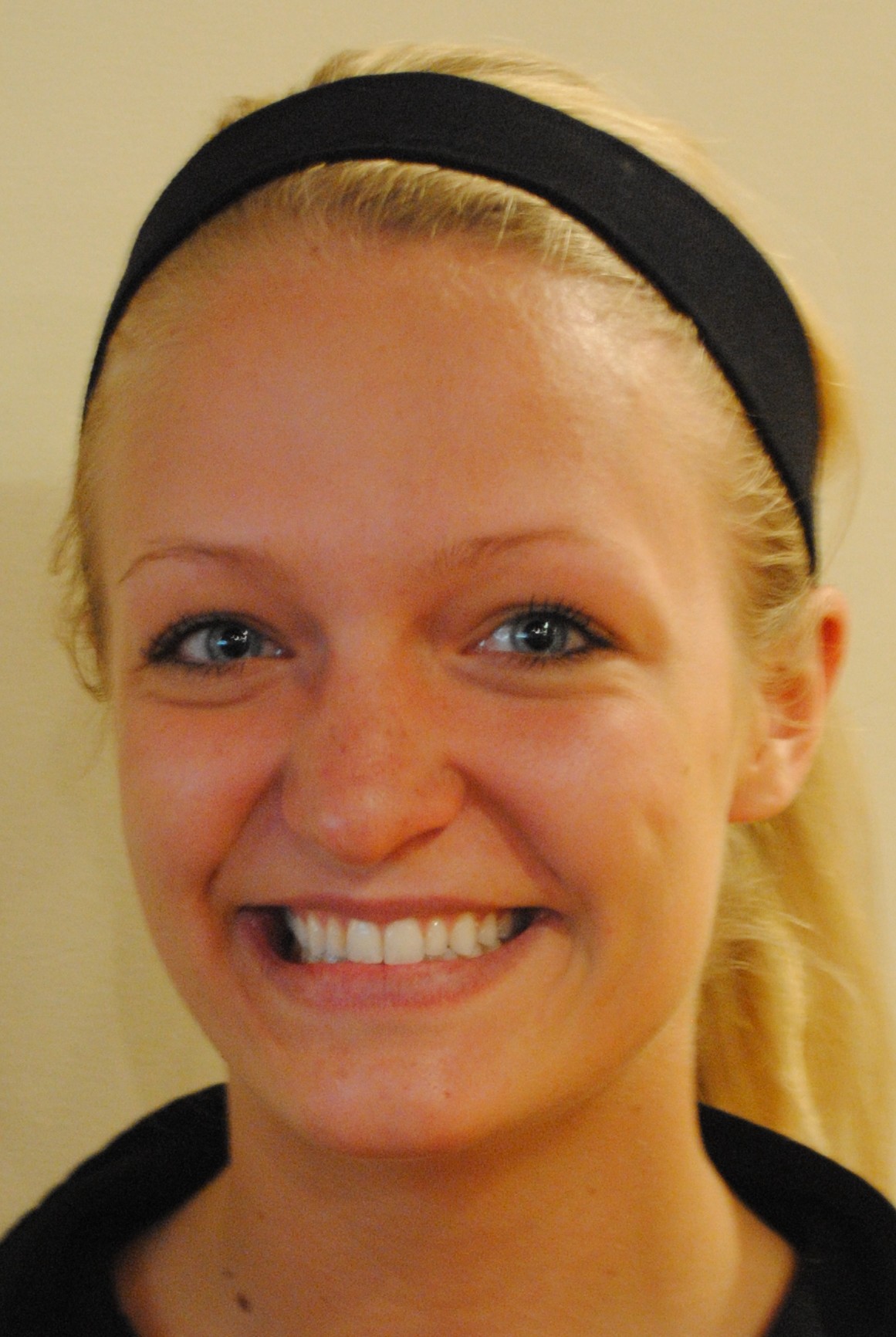
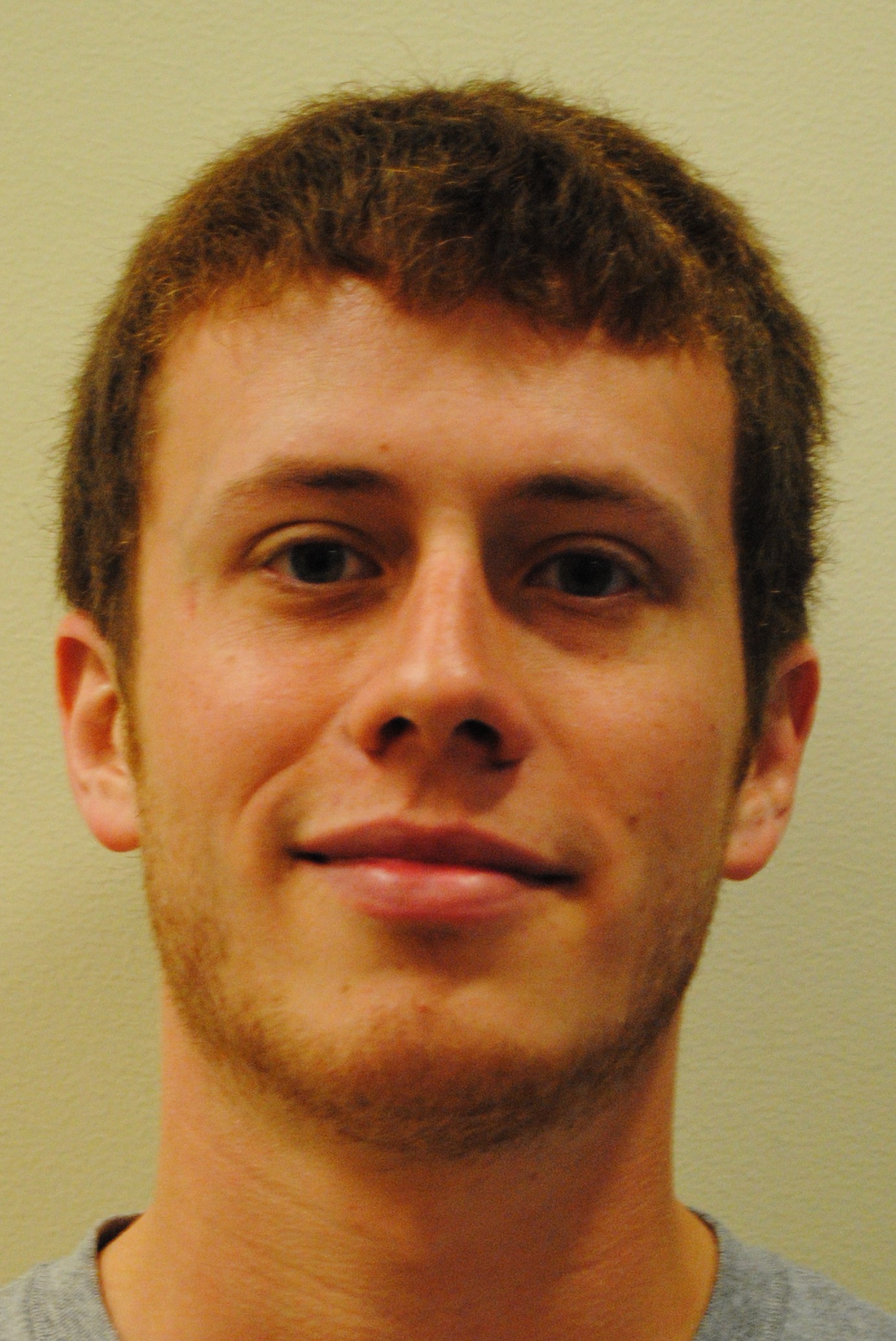
Degrees: Bob ’73, Kim ’73, both in Health and Human Development. Kim did a nutritional internship at Miami Valley Hospital; Bob went to graduate school at the University of Colorado where he earned a master’s degree in Urban Planning.
First met: Fall of 1969.
Married: 1974
Home: Denver, Colorado
Professions: Kim is president of Kimberly Gollick Associates, Inc., a nutritional consulting firm; Bob is president of Robert J. Gollick, Inc., a real estate development consulting firm. Both firms are located in Denver.
How they met, as told by Bob: I started at Behrend in the fall of 1968. The following year I helped the mom of a freshman girl carry some boxes into her daughter’s dorm room. I met her daughter on the way out of the room, her first day on campus. We started dating about four weeks later. Long story short, we’ll be married forty years this October.
Parting thoughts: “While we both finished our undergraduate degrees at University Park, if it weren’t for Behrend and a little luck on move-in day in 1969, I’d never have met the love of my life,” Bob said.
Fit for life: Kim is a runner who also enjoys yoga and ballet and she swims every day. Bob said he had to stop running, but he hikes all over Colorado and Costa Rica.
By Steve Orbanek Marketing Communications Specialist, Penn State Behrend
There seems to be one in every family: one person who differs from the rest of the clan.
Jessa holds that distinction in the Boarts family, but she wouldn’t have it any other way.
“On multiple occasions, my mom has asked me where I came from,” Boarts says.
A first-year Psychology major at Penn State Erie, The Behrend College, Boarts is somewhat of a fanatic when it comes to choir. On a typical day, the Erie native can be found humming choir songs, listening to choir CDs in her car, or practicing the tunes she performs as part of the Chamber Singers and Concert Choir at Penn State Behrend.
Music and singing have come naturally to Boarts even though no one in her family has ever had any experience with it.
“It’s just easier for me to express my emotions through music,” says Boarts.
Boarts is one of twenty-five students who will be performing Sunday, April 27, during “Wayfaring Stranger,” the spring concert from Penn State Behrend’s Chamber Singers and Concert Choir. The concert is the latest stop in what has been long musical career for Boarts at Penn State Behrend.
In eighth grade, she joined the Young People’s Chorus of Erie, which was in its first year of existence. YPC Erie is a youth outreach organization of the School of Humanities and Social Sciences at Penn State Behrend and northwestern Pennsylvania’s only comprehensive youth choral program.
Boarts had longed to join a choir ever since her first exposure as an elementary school student, and YPC Erie was the perfect fit.
“It was kind of like a second family. I liked the togetherness that we all shared,” she says.
Over the next five years, Boarts performed in a slew of concerts as a member of YPC. She formed many relationships along the way, and her passion for choir music continued to grow.
Of all the relationships Boarts forged, perhaps none was more significant than the bond she developed with Dr. Gabrielle Dietrich. Dietrich joined Penn State Behrend in 2012 as the college’s director of choral ensembles and serves as YPC’s artistic director as part of her position.
The two immediately hit it off.
“Jessa is really special,” Dietrich says. “She’s not only a wonderful singer, but she’s one of those people who shows up every week and has a great attitude, a great spirit, and is willing to try everything.”
As Boarts began to look at colleges during her senior year of high school, she says it became apparent that Penn State Behrend would be an ideal choice. Not only did the college have the Psychology major that she sought, but it would also allow her an opportunity to continue to grow musically with Dietrich as part of the college’s Chamber Singers and Concert Choir.
“I was really interested in how she brought the music out in YPC, and I wanted to be able to continue that in the Behrend Choir,” Boarts says.
Dietrich was more than a little enthused when she heard the news.
“I was thrilled to hear she was staying because she’s the kind of kid you want in your choir. She’s not only the type of girl who brings good with her, she’s the type of girl who spreads good,” Dietrich says.
Boarts does more than spread good. She’s constantly trying to encourage her friends and other students on campus to enroll in either the Chamber Singers or Concert Choir class.
She subscribes to the idea that everyone has the ability to sing, which comes from Hungarian composer Zoltán Kodály and is a big part of Dietrich’s teachings. It’s the reason she believes everyone should consider joining the choir.
“Anyone can sing, it’s just a matter of will someone join a choir and portray different types of music,” Boarts says.
Many different types of music will be portrayed by Boarts and the rest of the Penn State Behrend Chamber Singers and Choir Orchestra during Sunday’s “Wayfaring Stranger” concert. The concert will include works from American composers Aaron Copland, Cecil Effinger, and Kirke Mechem; African-American spirituals; a folk song from Northern Thailand; and music of the French Renaissance.
For Boarts, the concert is the culmination of months of practice and hard work. It’s a long road to get to the point of being ready to perform, but Boarts says it’s always worth it.
“My life would be pretty boring without choir,” Boarts says. “Something would definitely be missing.”
By Steve Orbanek Marketing Communications Specialist, Penn State Behrend
The end is near.
There are just a couple weeks left in the spring semester. It’s been a memorable year at Penn State Behrend with several highlights, some of which include the college welcoming its second-largest freshman class in history and winning the AMCC Championship in every fall sport.
Penn State Behrend students have made their share of memories as well.
We asked students to share what they’ll remember most from this past year.
Brett Larson, sophomore, Aerospace Engineering: “Getting a 100-percent score on an exam when all of my friends didn’t.”
Chelsey Cratty, first-year student, Psychology: “All of the shenanigans that went down on the first floor of Senat Hall.”
Jacob Binda, first-year student, undecided: “Staying up until 5:00 a.m. talking with new friends.”
Brandon Ford, first-year student, History and Education: “The night I stayed up until 3:00 a.m. at the Delta Chi house getting to know my brothers.”
Alexa Seeton, first-year student, Marketing: “I don’t have a specific favorite memory. I just loved it all.”
Meredith Snyder, first-year student, Accounting: “Winning the AMCC Championship in volleyball.”
Paige Scurpa, first-year student, undecided: “Definitely winning the AMCC Championship in volleyball.”
Matt McWilliams, sophomore, Aerospace Engineering: “Going to the ECAC Indoor Championships for track and field.”
Omkar Paturu, first-year student, Biology: “Just being around Behrend and getting to know the college.”
Janai Keita, first-year student, Psychology: “The annual drag show from this past November.”
Bethany Still, first-year student, Biology: “Trying to scare my boyfriend’s roommate while pretending to be a dinosaur.”
Behrend Reacts is a regular Thursday feature at the Behrend Blog that tries to get the campus pulse on a current topic, whether it’s serious or trivial. If you have a question to suggest for Behrend Reacts, please email Steve Orbanek at sco10@psu.edu.
By Steve Orbanek Marketing Communications Specialist, Penn State Behrend
It seems like there’s an app for almost anything these days.
Need a dog whistle to train your canine? Interested in watching real-time radar for predicting storms? The App Store or Google Play has you covered.
Of course, some apps have bigger followings than others, and that’s true at Penn State Behrend.
We asked students what their favorite cellphone app is.
Ryan Kapner, first-year student, Mechanical Engineering: “Twitter and YouTube are my gotos.”
Connor Combs, first-year student, Project and Supply Chain Management: “Reddit because you get to see everything before everyone else does.”
Aubrey Marcoline, first-year student, English: “I use Instagram because it’s convenient.”
Libby Marcoline, junior, General Arts and Science: “Snapchat because it’s fun.”
Maurice Moffatt, sophomore, Marketing: “I like the PNC app because it’s useful when I need to do my banking.”
Damond Carr, junior, Psychology: “The TV remote control app is great because whenever I lose the remote, it lets me use my phone instead.”
Julie Pace, first-year student, Nursing: “Instagram because it’s fun to see other people’s photos and what they like to take pictures of.”
Marissa Duvall, first-year student, Nursing: “Instagram because it keeps me updated on my friends’ lives who don’t live close by.”
Claire Petrun, first-year student, Psychology: “I’d say Tinder because it’s fun to see who’s on it.”
Ian Duchene, first-year student, Plastics Engineering Technology: “Twitter because it’s nice to stay in touch with all my buddies at home.”
Behrend Reacts is a regular Thursday feature at the Behrend Blog that tries to get the campus pulse on a current topic, whether it’s serious or trivial. If you have a question to suggest for Behrend Reacts, please email Steve Orbanek at sco10@psu.edu.
By Steve Orbanek Marketing Communications Specialist, Penn State Behrend
Patty Pasky McMahon learned years ago that change doesn’t happen overnight, especially when it comes to affecting systematic problems such as dating violence or bullying.
“If you want culture change, it can’t just be hit-and-run,” said McMahon, director of the Health and Wellness Center at Penn State Erie, The Behrend College. “Dating violence, bullying, it’s been going on forever and a day. We can’t just accept that things are staying the same.”
That was the thinking behind “STAND UP,” a yearlong campus-engagement campaign promoting integrity, respect, tolerance and diversity at Penn State Behrend that concluded last week. The campaign, sponsored by the Health and Wellness Center and the Janet Neff Sample Center for Manners and Civility, addressed the health-and-wellness issues that most threaten college students, including drug use, relationship violence, stalking and sexual assault.
A number of student organizations joined in to support the efforts throughout the year, including the Lion Entertainment Board, the Behrend Beacon, BVZ Radio, Reality Check, Student Government Association, Gamma Sigma Sigma, Delta Chi, the Student Activities Fee Committee, the Multi-Cultural Council, the Student Athletic Advisory Board, Theta Phi Alpha and Alpha Sigma Alpha.
“STAND UP” kicked off in September 2013 with a concert by the Romantic Era, followed by a fireworks display. Each subsequent month featured an event, including a movie in Junker Center, a Penn State tailgate party, a chili stand and a pool party. “STAND UP” concluded Friday, April 4, with a pig roast and concert by the M-80s.
One of the keys to the programs’ success was making sure that each event was unique, McMahon said.
“That ensured that we would be targeting a different segment of the campus community each month,” McMahon said.
Finding unique events is easier said than done, but Vee Butler, a junior arts administration major and executive director of the Lion Entertainment Board, was satisfied with the selections for “STAND UP.”
“Coming from the programming board, we know how hard it is to find events that peak interest in students and also send a positive message,” Butler said. “‘STAND UP’ did an amazing job of choosing events. The chili stand was brand new and everyone talked about it, and the fireworks show definitely brought out some new faces.”
The events were fun, but they were also effective in promoting the positive message; students had the opportunity to speak out against numerous health-and-wellness issues at the events.
Student attendance was also strong throughout the year. That was true at the campaign’s conclusion with nearly 150 students present at the pig roast.
By Steve Orbanek Marketing Communications Specialist, Penn State Behrend
Social media is everywhere.
It’s the reason the words “like” and “tweet” now have new meanings compared to just a few years ago.
Whether you’re into tweeting, liking, connecting, pinning, or watching, there’s always something out there to satisfy your social media tastes. There are plenty of options when it comes to social media networks, but which one is the best?
We asked Penn State Behrend students which social media network they enjoy most.
Sean MacVay, sophomore, Computer Engineering Technologies: “Twitter because it’s the only one I really use.”
Alex Hoover, sophomore, Computer Engineering Technologies: “I’d say Twitter because you don’t see as much drama as you would on other stuff.”
Christopher Bendt, sophomore, Software Engineering: “They’re all a waste of time and a distraction from the things we should be doing.”
Taylor Stephens, junior, Communications: “I guess Twitter because you just get little snippets and quick responses. It’s easier to keep up with your friends from home.”
Hannah Rauch, freshman, Chemistry: “Twitter because it’s easy to access.”
Julianne Carter, junior, Business Economics and Finance: “Twitter because it limits you to 140 characters, and people can’t go on and on.”
Virginia Schoonmaker, sophomore, Agribusiness Management: “Facebook because I’m used to it.”
Erin Kyle, sophomore, Early Childhood Education and Special Education: “I like Twitter because it’s fast, and everything’s very instant.”
Greg Cass, sophomore, Early Childhood Education: “YouTube because I like videos, and Facebook and Twitter are basically the same thing over and over again.”
Ali Sieckowski, sophomore, Early Childhood Education and Special Education: “Pinterest because there’s so many great ideas out there. It brings out your creativity.”
Behrend Reacts is a regular Thursday feature at the Behrend Blog that tries to get the campus pulse on a current topic, whether it’s serious or trivial. If you have a question to suggest for Behrend Reacts, please email Steve Orbanek at sco10@psu.edu.
There’s much more to Penn State Behrend’s faculty and staff members than what you see on campus. In this occasional series, we’ll take a look at some of the interesting, unconventional, and inspiring things that members of our Behrend community do in their free time.
The students in the classrooms that Pinto and Jessie visit have a range of physical and mental challenges, but many are diagnosed with Austism Spectrum Disorder.
Pinto said Jessie is used to reinforce, teach, or reward positive behaviors – for instance, making eye contact, waiting patiently for their turn, or using a language card to point to the activity they’d like to do with Jessie.
“Children on the autism spectrum often don’t like traditional means of reward—a hug, touch, or personal attention—but they love to throw the ball for Jessie or take her for a walk around the classroom,” Pinto said.
For some, just petting Jessie is an important lesson.
“Many children with autism don’t like physical touch, but they like to pet Jessie and that can help them bridge that gap,” Pinto said.
“One young boy, Brandon, made remarkable progress with Jessie. When I first met Brandon he wouldn’t make eye contact and he was doing a lot of hand-flapping (a common self-stimulatory behavior in autism). You should see him now. He’s come so far that he’s now walks Jessie down the hall with me to the next class. He makes eye contact and he doesn’t hand-flap when Jessie is there.”
Jessie revels in the attention, though his eyes are firmly locked on Pinto at all times. She’s a well-trained dog. And, she’s in big demand at the Elizabeth Lee Black School.
“She’s gotten to be a little celebrity down there,” Pinto said. “Everyone wants us to come to their room.”
Benefits:
“I asked one of the teachers one time, ‘Long term, what does pet therapy really do for the kids here?,’” Pinto said. “She said, ‘Mary Beth, we live for the moment here. If we lived for the long-range view, we could never do our job because it would be too overwhelming. If, for one moment, Jessie brings them happiness and joy, then we’ve succeeded.’”
Why she volunteers:
“Social service is in my DNA. Gertrude Barber (the woman who started the Barber National Institute) was my aunt and I grew up with kids who had physical and mental challenges. I realize some may think the Barber Institute is a sad place, but it’s not. They celebrate every child. It is a really happy place.”
This slideshow requires JavaScript.
Have a suggestion for a candidate for a future Secret Lives of Faculty/Staff feature? Email hjc13 at psu.edu.
By Steve Orbanek Marketing Communications Specialist, Penn State Behrend
It’s crunch time. Are you ready?
The finish line is in sight as there are just a few weeks left in the spring semester. Penn State Behrend students will be busy as the final papers, projects, and exams are right around the corner.
We asked students how they plan to finish the semester strong.
Nick Denman, senior, Interdisciplinary Business with Engineering Studies: “I plan on doing a lot more studying.”
Daphne Cruz, freshman, Electrical Engineering: “I plan to keep on studying and go to tutoring almost every day.”
Courtney Post, sophomore, Project and Supply Chain Management: “I’ll be studying and working on balancing work and school better.”
Drew Chidester, sophomore, Civil Engineering: “Getting to bed early, studying a lot, and trying to eat clean.”
Jesse Jarrett, sophomore, Mechanical Engineering: “Studying a lot, making sure I stay on top of my homework, getting a lot of sleep, and staying focused.”
Alicia Buccigrossi, senior, General Arts and Science: “I plan on really cracking down on all my work. I do have a lot of big projects coming up, so it’s matter of focusing on those things and sticking to it.”
Corey Hoster, senior, History: “Tons of caffeine and manning up.”
Alice Park, freshman, undecided: “I’ll be dedicating more time to studying and reading all my materials ahead of time.”
Jemmerio Harper, freshman, Psychology: “I plan on dedicating a certain amount of hours to studying and staying focused on what needs to be done for finals.”
Amber Ricci, freshman, Plastics Engineering: “I plan on studying hard, keeping active, and not wasting my time.”
Behrend Reacts is a regular Thursday feature at the Behrend Blog that tries to get the campus pulse on a current topic, whether it’s serious or trivial. If you have a question to suggest for Behrend Reacts, please email Steve Orbanek at sco10@psu.edu.
By Steve Orbanek Marketing Communications Specialist, Penn State Behrend
Stephen Chalker ’13 won’t have to worry about his senior project wallowing away anytime soon.
The Software Engineering graduate designed a cell-phone game titled “The Mind’s Lie” for his senior capstone project. The game, which teaches students to be conscious of cognitive bias, was put up for download on the Android Market this February and has since been downloaded more than 70 times. It is the first game designed by a Penn State Behrend student to be placed on a public online store.
“It is extremely rewarding,” said Chalker, who worked on the project with fellow Software Engineering students Kit Torrelli ’13 and Joe Grise ’13. “This was the first project that I did that was not just for a grade, but for the public to download and play.”
The game was designed to be used for the classes taught by Kristan Wheaton, an associate professor of intelligence studies at Mercyhurst University, but it can now be played anywhere and by anyone. In “The Mind’s Lie,” players are given a scenario and asked to identify one of six kinds of bias that might be present. They earn points for voting with the majority or for convincing others that a different answer is correct.
The cell-phone version of “The Mind’s Lie” was modified from a board game designed by Wheaton. According to Chalker, that was a challenge as some of the concepts from the board game could not be easily transferred into the cell-phone version.
“This was the first time that any of us worked with Android, so there was a lot of learning involved,” Chalker said. “We had to design everything, and we tried our best to estimate how it would work in the Android environment, but it often would not work as planned when we tried to implement it.”
Many sleepless nights followed for the trio as they worked to perfect the game. However, Chalker said it was a labor of love.
“It was definitely the hardest project I have worked on so far, but it was well worth it,” Chalker said.
The game is currently played by individuals in the intelligence field, and Chalker said downloads grow by the day.
“It is the crown jewel of my resume, and people are fascinated whenever I bring it up,” Chalker said. “I really have to thank Penn State Behrend for having a senior design program where students can get real-world experience.”
That real-world experience has paid off in a big way for Chalker. He currently works in Austin, Texas, as an Android developer for a startup company, Bypass Mobile.
Chalker is reaping the benefits of his work, and the same can be said for Penn State Behrend.
“The Mind’s Lie” may have been Penn State Behrend’s first imprint on the gaming industry, but Dr. Matthew White, lecturer in game development, believes it will not be the last. White said the game has paved the way for future games designed by Behrend students.
“For us, the most important thing about this is that it proved a concept,” White said. “From beginning to end, our students can build a game and launch it on a public store.”
In recognition of Women’s History Month, we’d like to introduce you to just a few of the dynamic women in Penn State Behrend’s history. Our college has a rich history of leadership and involvement by strong, forward thinking, and generous women. Each Monday in March, we’ll highlight a woman who has made, or is currently making, her mark on the college.
Today, we’d like you to meet Dr. Diana Hume George, Professor Emerita of English and Women’s Studies.
Diana Hume George at JFK International Airport. Photo by John Edwards.
I caught up with her by email to ask her about the importance of women’s studies, why she doesn’t (yes, you read that right!) miss teaching at Behrend, and what she’s been doing lately.
You taught women’s studies at Penn State Behrend. Why is it important for college students to learn about this subject?
Yes, I taught women’s studies and I worked for years on founding what became the women’s studies program at Behrend—I’m so glad it’s still going.
As much progress as women have made in this country and around the world, there’s nothing like genuine equity yet. Women can still be owned, enslaved, beaten, and maimed in many places, including in some parts of this country—and control of women’s bodies is still a primary political aim. Sometimes I am heartened by all the advances—no one’s surprised by women in the so-called professions any more, as doctors or professors or politicians or talking heads on TV, and that progress is genuine. But it’s just as true that in many cultures and countries, there’s still a war against women’s equality that is violent and terrifying.
Without women’s studies, younger women would be even more likely to backslide, to lose touch with all that has gone before, and to become re-enculturated in ways that disable and disenfranchise them—I see it every day. The lack of a feminist awareness among young women scares me deeply and daily and a lot.
What do you miss about teaching at Behrend?
I don’t miss teaching at Behrend, because I took the best of it with me. I’m still in contact with a bunch of my previous students over the years—one became among the best friends of my life, another student-turned-friend I meet up with at the Cleveland Film Festival every year. I visit one in Baltimore regularly, another is getting ready to run the Boston Marathon and makes me great beach-glass earrings, and yet another sends me his wonderful poems. And there’s another fellow writer, and another is a magazine editor—come to think of it, I’m in touch with someone from every generation of my career there.
I also stay in touch with department colleagues—I met up with John Champagne and Sharon Dale in Rome last year and stayed at John’s place in Perugia, and I see George Looney because along with Phil Terman at Clarion, we run the Chautauqua Writers’ Festival together, which is how I also run into Greg Morris as well as newer colleagues like Kim Todd and Tom Noyes. Other writer colleagues from long ago, names current people might not even remember, like Melissa Bender and Ann Pancake, are part of my life, too. And after leaving Behrend, I got to know a couple of colleagues that I never had time to know when I was working constantly—I love and miss Toby Cunningham, whom I barely knew at Behrend, but once we were gone, we ended up in a writers’ group together and my partner John Edwards published his wonderful book.
My son Bernie is back at Behrend finishing up his degree—so put it all together and it’s like I never left.
What have you been working on since leaving Behrend?
Since I left Behrend, I’ve been teaching creative nonfiction in an MFA program at Goucher College in Baltimore. I’ve also been to several colleges and universities as a visiting writer, teaching for a few weeks or even a semester, at places such as Davidson in North Carolina, UNC/Wilmington, and Ohio University.
What do you enjoy about teaching in the MFA program at Goucher College?
I live in Pennsylvania, and work online, going to Baltimore a couple of times a year. I mentor writers who always wanted to write a book. Our program is geared toward helping them write voice-driven narrative—some have been professional journalists all their lives and they haven’t yet gotten to write long-form. It’s great fun and I get to learn as much as I teach, because whatever they’re writing a book about, I’m reading that book as they write it. And we also get doctors and psychologists and professors, as well as people who want to write about their own lives, so I edit memoirs on trauma and on travel, and sometimes that can be the same book.
You mentioned in our email exchanges that you have been traveling. Please tell us more.
I have the privilege of shaping my life so that I can do my favorite thing, which is to travel with my friends or my partner, John Edwards. I wrote one travel book and I’m always writing the next one. I try to go to Italy for about a month every other year. Lately I’ve been alternating Italy with the Yucatan peninsula, from which I’m just back right now. I stay on Isla Mujares, an undeveloped island right off Cancun, where I first went with a fellow writer on a retreat back when I was at Behrend. I got hooked on those Caribbean breezes in January.
What are your other interests?
Even more than travel and writing, I want to read. I don’t get to read enough. That’s my goal, lots of good books, the kind where you can throw yourself down on a bed and get lost in an imaginary world.
And I love long-form drama on TV, where a lot of the best storytelling takes place, both comic and tragic—Deadwood, The Sopranos, and Breaking Bad were almost as important to me as literature.
You wrote and edited books on the American poet Anne Sexton. Does her work still resonate with you? How has your relationship with her work changed?
I wrote or edited three books about Anne Sexton, and she was a wondrous enough poet that I never got weary of her writing—but I did get battle fatigue about her psyche. She was a joyful and delightful person, witty, wicked smart, and ironic, but she was also bipolar, and being in the presence of that kind of mind can yank you around. My friend and the co-editor with me of Sexton’s Selected Poems, Diane Wood Middlebrook, lived inside Sexton’s head for a decade, and she said it was nearly too much.
I was attracted to her sense of joy, and I still admire her willingness to also say the depth of her pain—but she couldn’t live, in the end, and I can. So although my affection for her poetry remains, and I think she was tremendously important, and deserves to endure, I am a bit distant from her now.
But if you’re lucky, your old literary loves from early in your life stay with you in some sense throughout, they get internalized and are part of who you are, and all of my early loves became part of me—Sexton and Adrienne Rich and William Blake and Freud.
If someone is unfamiliar with your writing, what might be a good introductory work? Personal essays I wrote, such as “Wounded Chevy at Wounded Knee” or “The Last of the Raccoon,” still represent my work.
Diana Hume George will do a public reading at Clarion University of Pennsylvania on April 17, 2014. The second edition of her book The Lonely Other: A Woman Watching America will be released in April, with several new essays.