Makers Engineer Ornaments, Fun

20151209_215318

By Heather Cass
Publications & Design Coordinator, Penn State Behrend

The upcoming holiday season offers the perfect distraction for stressed-out students. In this last week of classes, we found plenty of holiday cramming going on with every area from Housing and Food Services to Student Activities to the School of Engineering fitting in some festive merrymaking before things get serious with Finals Week next week.

Wednesday evening, a dozen students gathered in an electrical lab in Burke 145 to munch holiday treats and craft acrylic LED ornaments with Dr. Chris Coulston, associate professor of electrical and computer engineering.

Students first drew snowflakes on computers using CorelDraw and added any text they wanted before sending their creations to the laser printer to be cut out of acrylic. Then, they used soldering irons, wire, LED lights, and batteries to make their snowflakes glow.

Though the Makers group meets fairly regularly, Coulston refrains from calling it a club.

“It’s more like a gathering of like-minded makers,” he says. “I just invite students to show up and make something. It gives them an opportunity to try some of the tools we have, like the laser cutter and soldering equipment.”

Ultimately, though, it’s about encouraging critical thinking and creativity, which are key concepts for engineering students to grasp.

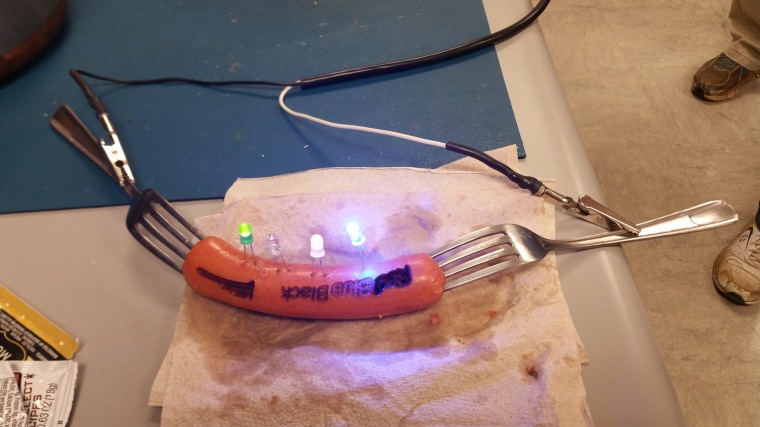
“We try to come up with things that challenge them or make them look at things in a slightly different way,” Coulston said. “For instance, before Thanksgiving, we made LED hot dogs. Who’d have thought you could light up a hot dog?”

dog

While there may be no practical application for glowing frankfurters, there is certainly a demand for people with the creativity, technological skills, and theoretical knowledge to use ordinary objects in a truly unique way.

While the majority of those who attend Coulston’s Maker gatherings are engineering students, he welcomes all students and faculty members.

“I’d love to have some artists and scientists join us, too,” he said. “The more, the merrier. They’d probably have some really cool ideas.”

Coulston brought a special guest to Wednesday’s gathering, his pug, Shiloh, dressed in her holiday best.

“Anyone can get a picture with Santa, but where else can you get a photo with Santa Pug?” he says with a smile.

Just like an engineer, always looking to improve the original product.

This slideshow requires JavaScript.

Diary Gives Insight into Mary Behrend’s Life

By Allison Counasse
e-Communications Coordinator, Penn State Behrend

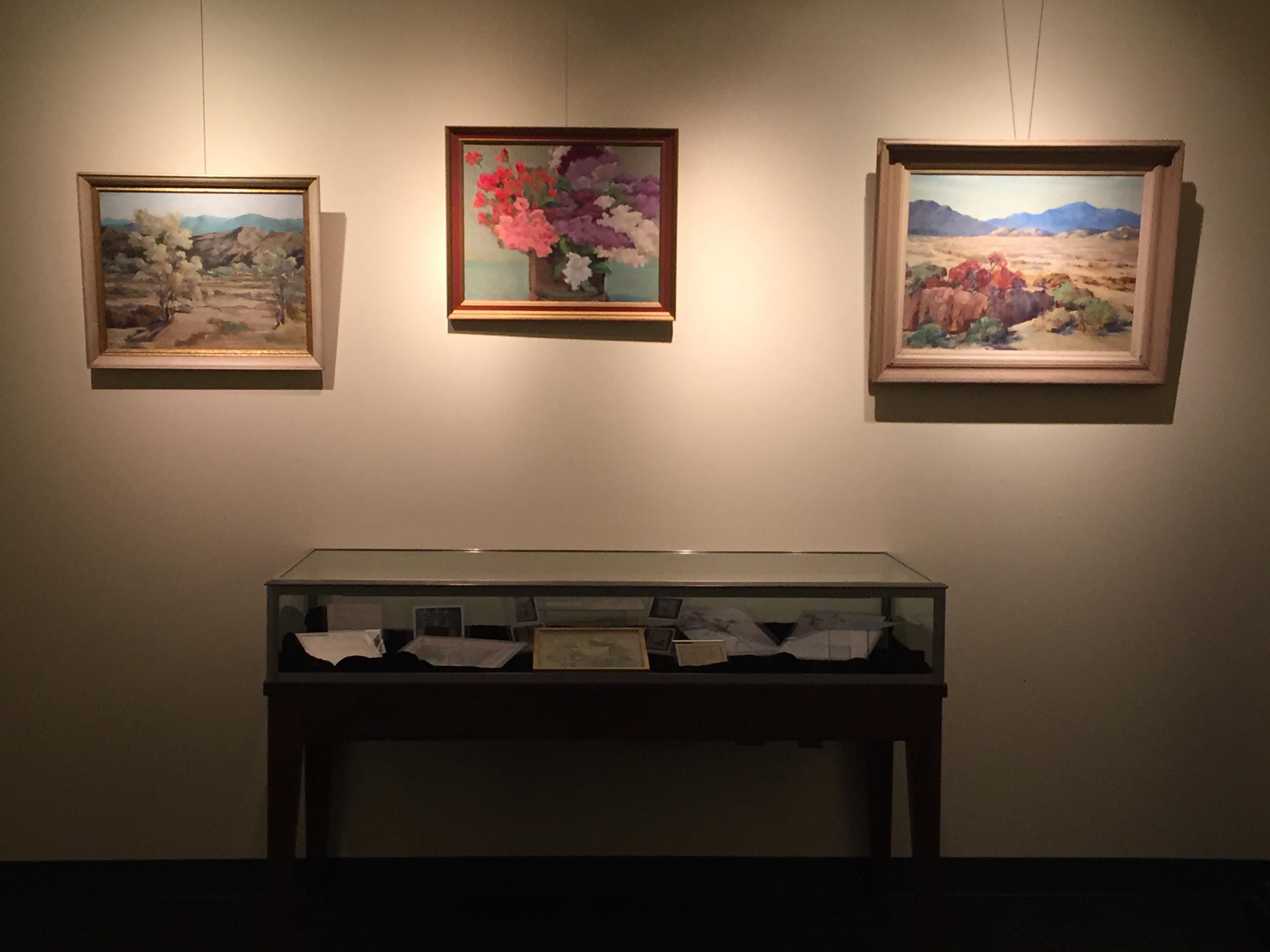
“Mary Brownell Behrend: Diary of a Girl/Portrait of a Woman” features excerpts from a diary Mary kept when she was 13, as well as several of her paintings.

An unexpected package that arrived over the summer at the Penn State Behrend Archives from Ernst and Mary Behrend’s grandsons, Richard and William Sayre, was particularly well-timed. It contained items for the Archives’ Behrend Family Collection and arrived while the college was nearing completion of a new monument for their grandmother.

Jane Ingold, college archivist, opened the package to find Behrend family personal items and memorabilia, including a photo of Ernst as a baby in 1869, a miniature chess set belonging to Ernst, and the diary Mary kept when she was 13 years old.

The diary held particular interest for Ingold, who curates exhibits from the archives and displays them in the John M. Lilley Library gallery. It soon became the centerpiece for a new exhibit, “Mary Brownell Behrend: Diary of a Girl/Portrait of a Woman,” which features excerpts from the diary, as well as several of Mary’s paintings.

“I wanted to display something that people could look at in conjunction with the monument’s unveiling,” said Ingold. “The diary has so much in it. You can see her in the diary when she was 13.”

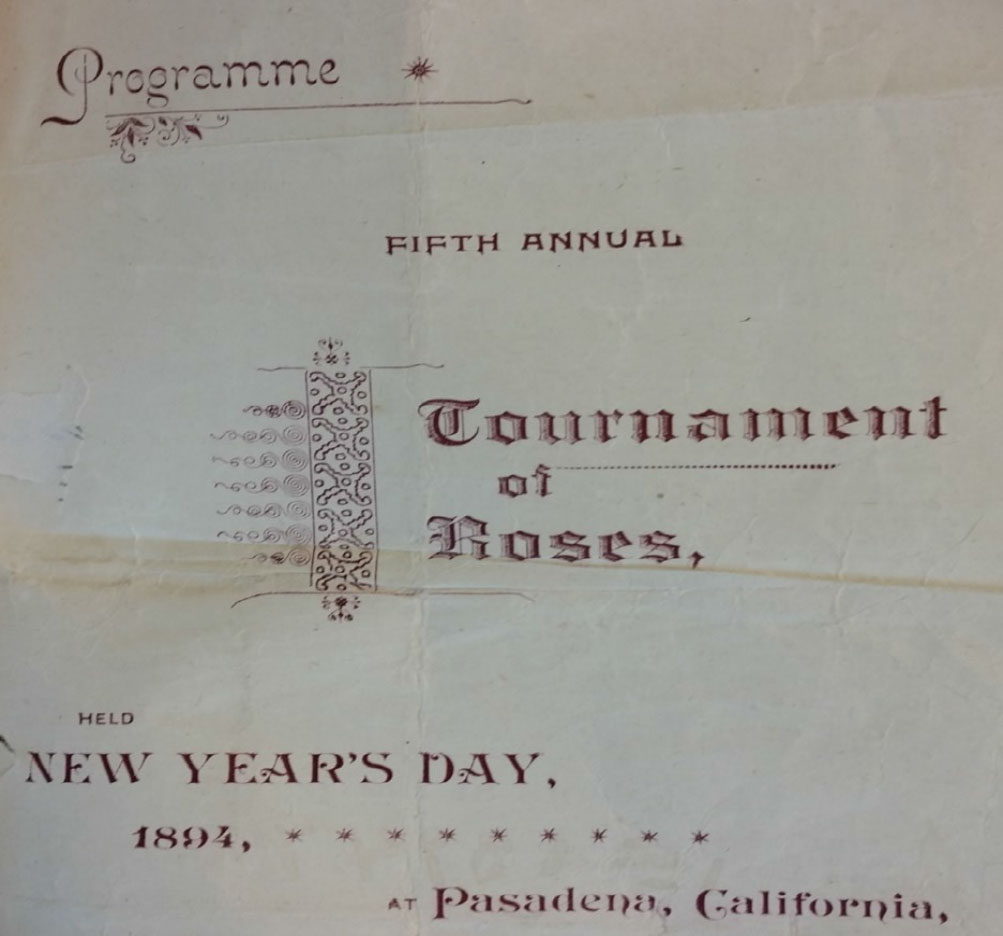
Mary kept this program from the Fifth Tournament of Roses in her diary.

The diary gives a glimpse into Mary’s childhood, documenting both the ordinary and the extraordinary aspects of her life—from a list of Christmas presents she received to a trip that she, her mother, and her siblings took to the Chicago World’s Fair in 1893 and to California, where they attended the Fifth Tournament of Roses in January 1894.

Mary used her diary as both a journal and a scrapbook with decorated pages, photographs, pressed flowers, a small paper sign where she advertised her handmade dolls for sale, and trip souvenirs. These illustrate Mary’s lifelong interests in art, gardening, dolls, and travel.

The diary also provided more insight into her family. Mary’s mention of a brother named Warren, who would serve as a namesake for her son, was a revelation for Ingold and the Sayres. Ingold had run across Warren Brownell’s name during basic genealogy research but didn’t realize he was Mary’s brother. The diary enabled her to make the connection and identify Warren in photos that also are on display.

“Mary Brownell Behrend: Diary of a Girl/Portrait of a Woman” is on display through November 5 and again in summer 2016. The exhibit is open to the public during library hours.

Ready to run for ice cream? (Details on tonight’s 5K)

Ice cream Lion low res

Tonight is the Penn State Behrend Athletics Ice Cream Fun Run. There are currently more than 200 people signed up to run…and then cool down with some delicious Berkey’s Creamery ice cream.

Here’s what you need to know:

  • The race starts & finishes in the Junker Center parking lot near the new soccer complex.
  • Packet pickup is at the race start/finish (see above) from 5-6:15 p.m.
  • Day-of-Race registration is also at the race start/finish area from 5-6 p.m. Cost is $25 and there are a few shirts left. If they go through the leftover stock, they will order and mail out shirts.
  • You can view the race course here. (Also posted below).
  • Dogs are permitted, but they must be leashed. Also, please clean up after your pet.
  • The race is not timed…so bring a watch/GPS if you want to keep track of your splits/pace/finish time.
  • There are no awards, but there is FREE BERKEY’s ICE CREAM!
  • Post-run ice cream will be served out of the concession stand at the soccer complex.
  • You can have seconds! Race organizers say they are not tracking consumption, so…eat up until it’s gone!
  • BTW …Berkey’s is no run-of-the-mill ice cream. It is to ice cream what Smith’s is to hot dogs, which is to say – the very best. It’s made fresh from the cows at Penn State in University Park.

5k Course1

Women in Engineering: Meet Sara Bell ’12

By Heather Cass
Publications & Design Coordinator, Penn State Behrend

sara bell

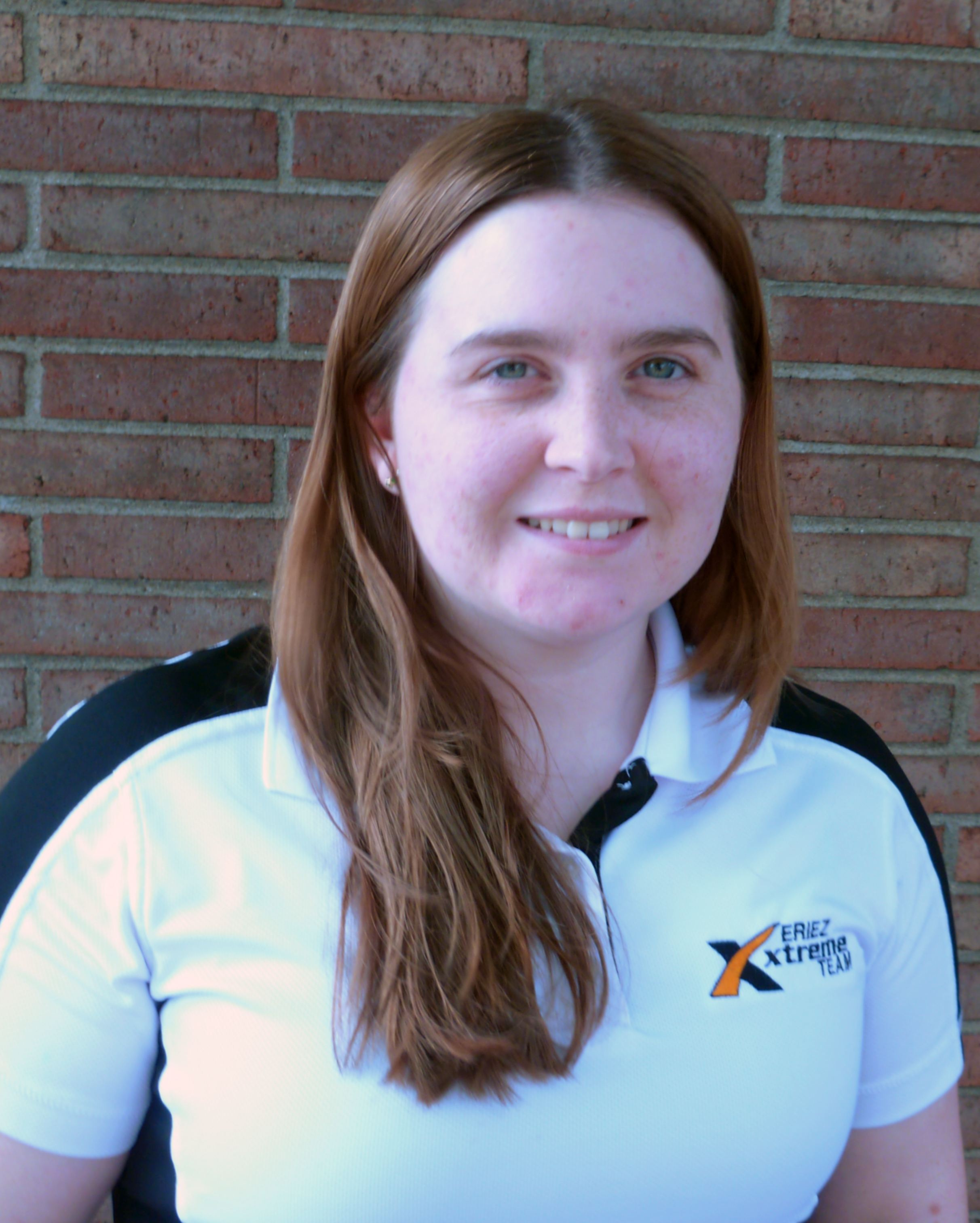
When people find out that Sara Bell ’12 is a mechanical engineer, they usually say something like, “Oh, well, good for you!”

Bell said she doesn’t perceive the response to be patronizing; rather she thinks it reflects a general lack of understand about the field of engineering.

“They usually have no idea what being an engineer entails or what I actually do, so I think that’s why they say it,” Bell, who works at Eriez (formerly Eriez Magnetics) in Erie, said. “Sometimes they ask me about my job, but it’s often based on things they’ve seen about engineers on TV, and they ask if I work on a big team or make big machines and equipment. They seem disappointed when I tell them ‘no.’”

Bell works with detection systems, helping design conveyor systems and reject systems and working with metal detector heads. She says her job may not be as glamorous as that of a NASA engineer, but it’s no less important or rewarding.

“The world needs engineers for everything, even for things that don’t seem ‘cool,’” she said. “I really enjoy seeing my designs and ideas come to life.”

Born with an engineer’s mind

Bell says she has always had an aptitude for math and science. As an Erie-area native, she participated in some of Penn State Behrend’s outreach programs, including Math Options for Girls and the FIRST robotics league in her senior year.

“Robotics had the largest impact,” she said. “That’s where I saw how cool it was to see something come together and work.”

A friend suggested that Bell look into a career in engineering.

“I wanted to do something where I could learn and use my brain,” she said. “I chose mechanical engineering because it is a catch-all engineering field. I thought it would be a really versatile degree that would allow me to do a variety of things but still hone in on something specific down the road if I wanted to.”

She’s been a mechanical engineer at Eriez for two and a half years, though she’s worked there longer, having interned there for several semesters before graduating,” she said.

Encouraging future generations

Bell has returned to Behrend to volunteer at Women in Engineering Day for the past two years.

“I always feel the need to encourage more women to pursue any STEM-related career they are interested in,” she said. “I think you’re seeing more women in engineering because they have opportunities to explore and learn about these types of careers before they even reach college.”

Bell is quick to point out that education never really ends for engineers.

“I sometimes say that I didn’t earn my degree for engineering; I earned it for learning,” she said. “As an engineering student, you learn how to learn. With that knowledge, you can do pretty much anything you want to in life.”

Meet Dr. Bernd Hacker, Visiting Scholar from Germany

By Heather Cass
Publications & Design Coordinator, Penn State Behrend

IMG_5879

Dr. Bernd Hacker

Penn State Behrend welcomes the opportunity to host foreign scholars who enrich our community’s intellectual and research endeavors, international connections, and global perspectives.

Dr. Bernd Hacker, a professor from the University of Applied Sciences in Rosenheim, Germany, a partner school of Penn State Behrend, has been a visiting scholar in the Black School of Business since January.

With Hacker’s experience at Behrend drawing to a close in August, we sat down to talk with him about his time at the college, how students in Germany and the United States compare, and the 5-year-old quadruplets (two sets of identical twins!) he and his wife are raising.

How did you end up at Penn State Behrend?

In February of 2014, Penn State Behrend and the University of Applied Sciences in Rosenheim signed a memorandum of understanding, agreeing to collaborate in various areas including student and faculty exchange programs and joint research projects and educational programs. I was the first to enroll in the faculty exchange program.

What courses did you teach?

In the spring semester, I taught ACCTG 305: Financial Statements and Management Decisions and I’m currently teaching a summer course, ACCTG 211: Financial and Managerial Accounting.

Are accounting principles/lessons the same in the United States as Germany?   

Yes, accounting principles don’t change. However, the teaching structure and system here are different from what I know.

How so?

In Germany, we don’t have midterms, quizzes, or graded homework assignments. We have a full semester of teaching followed by one big exam or project at the end of the class. American students are tested and graded much more.

So which system do you think is best?

I think a combination of both systems might be ideal. There is value to the system as it is here for students in their first year or two of college who might need more guidance and feedback.  As students move toward graduation, though, I think it’s important to transition them to a more self-directed system in which they have to come up with a plan for self-assessment, manage their time, and succeed without a lot of feedback or guidance along the way. I plan to take some of what I learned here about exams, testing, and quizzes to Rosenheim and try it in some of my classes with younger students.

In what ways is Behrend like your university?

They are similar in size with Rosenheim having about 5,500 students (Behrend has about 4,350 students). We have similar schools within our university and, like Behrend, we have very strong business, engineering, and plastics programs.

What is the biggest different between the universities?

We don’t charge tuition. In Germany, there are some private universities that charge tuition, but not many.

So everyone in Germany can go to college for free?

Yes, and no. It’s free, but not everyone can go. Admission is strictly merit based. There are only a certain amount of slots to fill in the programs at the universities and if you’re not good enough to earn a spot, you don’t get in. Some programs are more competitive than others, but in general, you have to have very good grades to go to university.

In Germany, students are separated at about age 10 or 11 and put on different tracks. Gymnasium is for academically-inclined students headed for college. Realschule is a middle level education for average or higher white-collar jobs. Hauptschule is for trades and blue-color jobs. It is possible to switch tracks, but not common.   More about the German School system here.

How do students in Germany and the United States compare?

They are very much alike. They care about what they learn. They are concerned about their grades. They like to have fun on the weekends.  I learned that students are not that different around the world.

Did anything surprise you?

I couldn’t buy a car without a United States driver’s license, so we rented one. Also, the winter was much colder and snowier here than in Germany. This children enjoyed the snow though.

You and your wife have quadruplets?

Yes, they are going to be six years old soon. Two boys and two girls, two sets of identical twins.

That must’ve been shocking news?

Yes. The doctor kept finding more in there whenever we went back. (Laughs)

Did your family travel to the U.S. with you?

Yes. My wife is a lawyer and she took a sabbatical to bring the children and come with me. She’s really enjoyed the extra time with the children. They love the beaches at Presque Isle.  They also attended preschool from January to May, which was a great international experience for them.

Have you always wanted to be a professor?

Yes. I taught while earning my Ph.D. and I enjoyed it. I worked in the banking industry for five years and at Seimens (the largest engineering company in Europe) prior to teaching though. In Germany, in the applied sciences college, professors are required to have five years of industry experience before becoming a professor.

How have students benefitted from the agreement between the universities so far?

Right from the start, we were able to arrange internships for Behrend students in Germany. The first intern went to Germany in May of 2014. This summer, three students are interning in Munich, Berlin, and Rosenheim. It’s a great opportunity for Behrend students to gain international experiences in multinational companies.

Have there been any student exchanges yet?

We’re currently working together on making it viable. There are several departments in Rosenheim that match Behrend’s four schools. We, too, have a School of Business and a School of Engineering. We also have a School of Business and Engineering, so I see a lot of opportunities for Behrend students to go to Germany and our students to attend Behrend. I am confident the partnership will benefit both schools, and I’m looking forward to greeting the first Behrend students at the University of Applied Sciences in Rosenheim.

Any advice for students interested in studying in Germany? Do they need to learn German?

No, you can definitely get along speaking English in Germany. Most Germans can speak, or at least understand, English. I would advise students to plan as early as possible if they want to study abroad. There are financial considerations (travel and accommodations). They should also keep some of their electives open. Students can earn 12 to 15 credits while in Germany, but they may need to be credits from their available electives.

Where can students get more information about the German exchange program?

Contact Ruth Pflueger, director of the Learning Resource Center, at (814) 898-6418 or rcp1@psu.edu.

Lee Brice concert photos

11017523_842092469196101_7996114414443801409_o

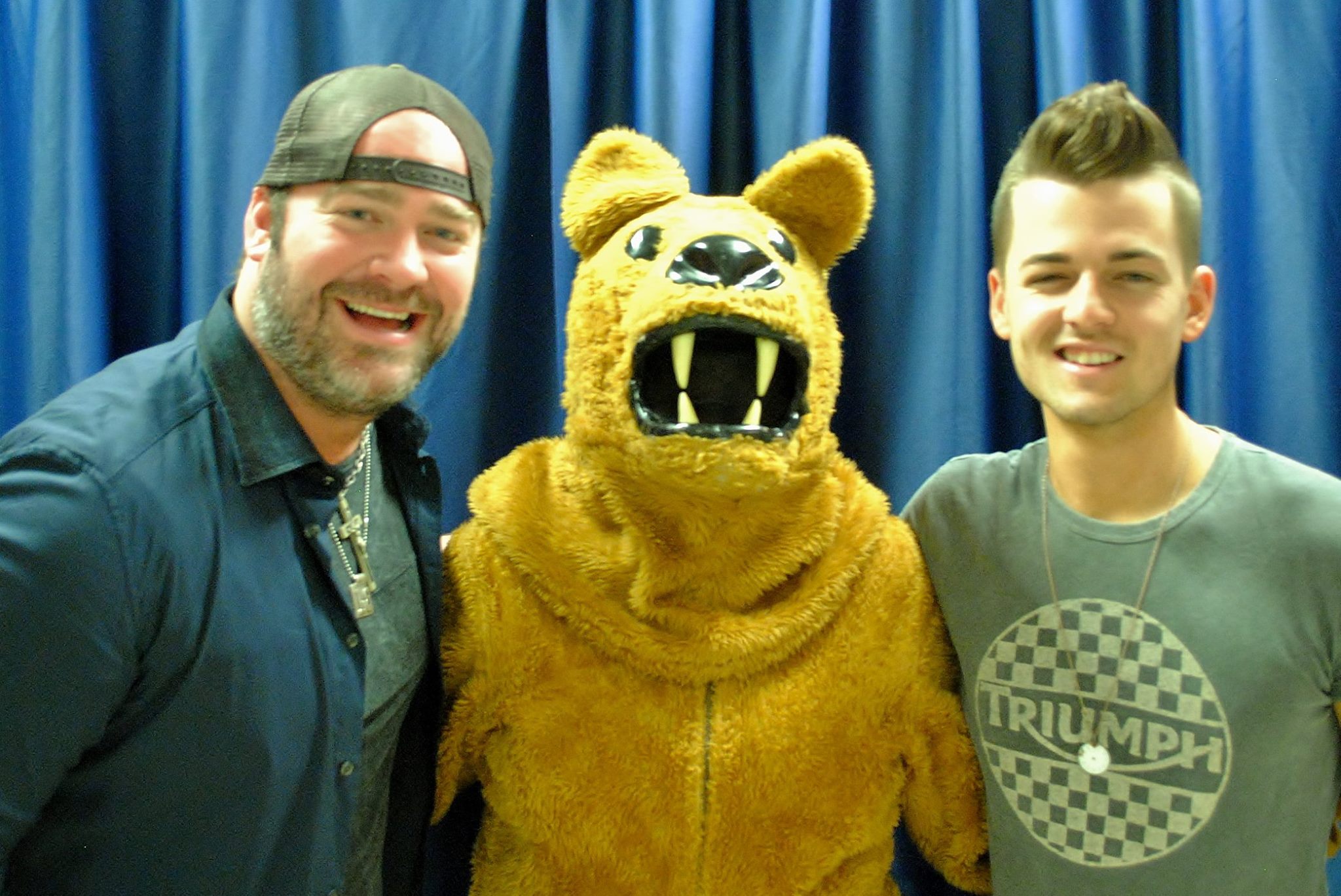
Lee Brice, left, and opening act, Chase Bryant
Last night, four-time Country Airplay chart-topper Lee Brice played Penn State Behrend’s Junker Center to a sell-out crowd.

A Sumter, South Carolina native, Brice got his start in the country music industry after he co-wrote Garth Brooks’ 2007 single “More Than a Memory,” which became the first single in the history of the Billboard Hot Country Songs chart to debut at No. 1. That same year, he signed with Curb Records, but it was in 2009 that he would see his own success as a singer-songwriter.

That was when he released “Love Like Crazy,” the first single from the debut album of the same name. Overall, the song spent 56 weeks on the Country Airplay chart, making it the longest-charting song in the chart’s history.

In 2011, Lee released “Hard 2 Love,” which produced three No. 1 hits, including “A Woman Like You,” “Hard 2 Love” and “I Drive Your Truck.” The title track on his current album, “I Don’t Dance,” became his fourth No. 1 hit in August 2014.

There were two opening acts: Chase Bryant & The Cadillac Three, who fired up the audience of a few thousand attendees before Lee Brice took stage at 9:45 p.m.

This slideshow requires JavaScript.

Pi Day = Pie Day at Behrend!

pi

By Heather Cass
Publications & Design Coordinator, Penn State Behrend

Saturday, March 14 is Pi Day – a day in which we celebrate one of the most well-known principles in mathematics.

This year’s Pi Day is especially cool because, written numerically, the date—3/14/15— is the first five digits of pi~3.1415… in order, which is something that only happens once a century.

Unfortunately (or fortunately, if you’re a student or faculty member), Behrend will be out on spring break on Pi Day, so the Math Club is subtracting a week and a day and celebrating Pi Day on this Friday, March 6 with

….wait for it….

Free PIE for everyone!

apple pie

Math Club members will be outside of Bruno’s on Friday, March 6 from noon to 2 p.m. handing out pie to satisfy your sweet tooth. And, don’t worry fellow right-brainers, I checked and they are not even making you solve a math problem or anything to get it. Phewww…..

I talked with Adam Combs, lecturer in mathematics, and Math Club adviser to find out a little more about Pi Day, mathematics, and what kind of pie they’ll be serving up.

What is Pi and why is it significant in math?

We all learn the number Pi ~ 3.1415… is significant in math when it comes to circles in geometry. It is related to both the area and circumference of a circle. From this, and something called the “unit circle,” it also is very prevalent in trigonometry, and hence Calculus, and hence Differential Equations, and hence…the list goes on. So, there is so much importance from just one shape, the circle.

The number pi is also given so much importance because it tends to pop up so unexpectedly in other areas of mathematics. For example, you can prove that if you randomly pick two positive whole numbers the probability they have no divisors in common is 6/pi^2. Also, if I add the numbers 1+1/4+1/9+1/16+… to infinity it equals pi^2/6. Now, what does that have to do with circles? 🙂

This year’s actual Pi day (3.14.15) is particularly significant, right? Mathematicians must love that!

People who love math always get excited when something uniquely mathematical happens in daily life. This occurrence of having the date read 3/14/15 which is the first 5 digits of pi~3.1415… in order, happens once in a century.

Why do you love math?

Not to wax philosophic, but I think Galileo said it best when he said, “Mathematics is the language in which God has written the universe.” The belief in a higher being aside, everything in the way our physical world works has some kind of relationship to math. The sense of wonder this inspires is why I love math.

Why do you think some people hate math?

Some people unfortunately do not get to see how interesting, and useful, math can really be. Some people who may have struggled with math in the past may also be a little afraid of math. This is natural, but I think the faculty members here at Behrend are really great at helping with that.

Do you believe that anyone can learn to be good at math?

Do you want to know what my worst subject was in high school? MATH! I hated it because I was afraid of it. I thought I couldn’t do it, and waited until my sophomore year in college to actually take my first college math class.

Then, I found that the teachers I had were willing to take the extra time to help me understand it. Once I started to understand it, the fear went away. Of course, I also worked very hard at it, too. Believe it or not, I am not one of those people who was born with an inherently mathematical brain. So, if I can do it with some help and hard work, I believe that anyone can.

What do you suggest for people who have trouble understanding math? What can they do?

Talk to your professor! Faculty members at Behrend are very happy and willing to help students who need it. There is also FREE math tutoring available to the students.

Favorite math joke?

This is so hard, because there are so many.

Q: What did one math book say to the other?

A: Don’t bother me I’ve got my own problems!

What do you like to do in your free time?

I enjoy spending time with my wife and two wonderful boys, Gabriel and Addison. My oldest son Gabriel, at the age of 5, is even showing promising signs of being a mathematician. On an almost daily basis, he tests the hypothesis that my patience is infinite.

OK…let’s talk about the good stuff. What kinds of pie are you going to be giving away?

We have both apple and pumpkin pie from Wegmans.

Sweet!

Far from Home: List of goals serve as motivation for Moustafa Elhadary

Print

Editor’s note: Far from Home is an occasional series in which we document a year in the life of international students at Penn State Erie, The Behrend College.

By Steve Orbanek
Marketing Communications Specialist, Penn State Behrend

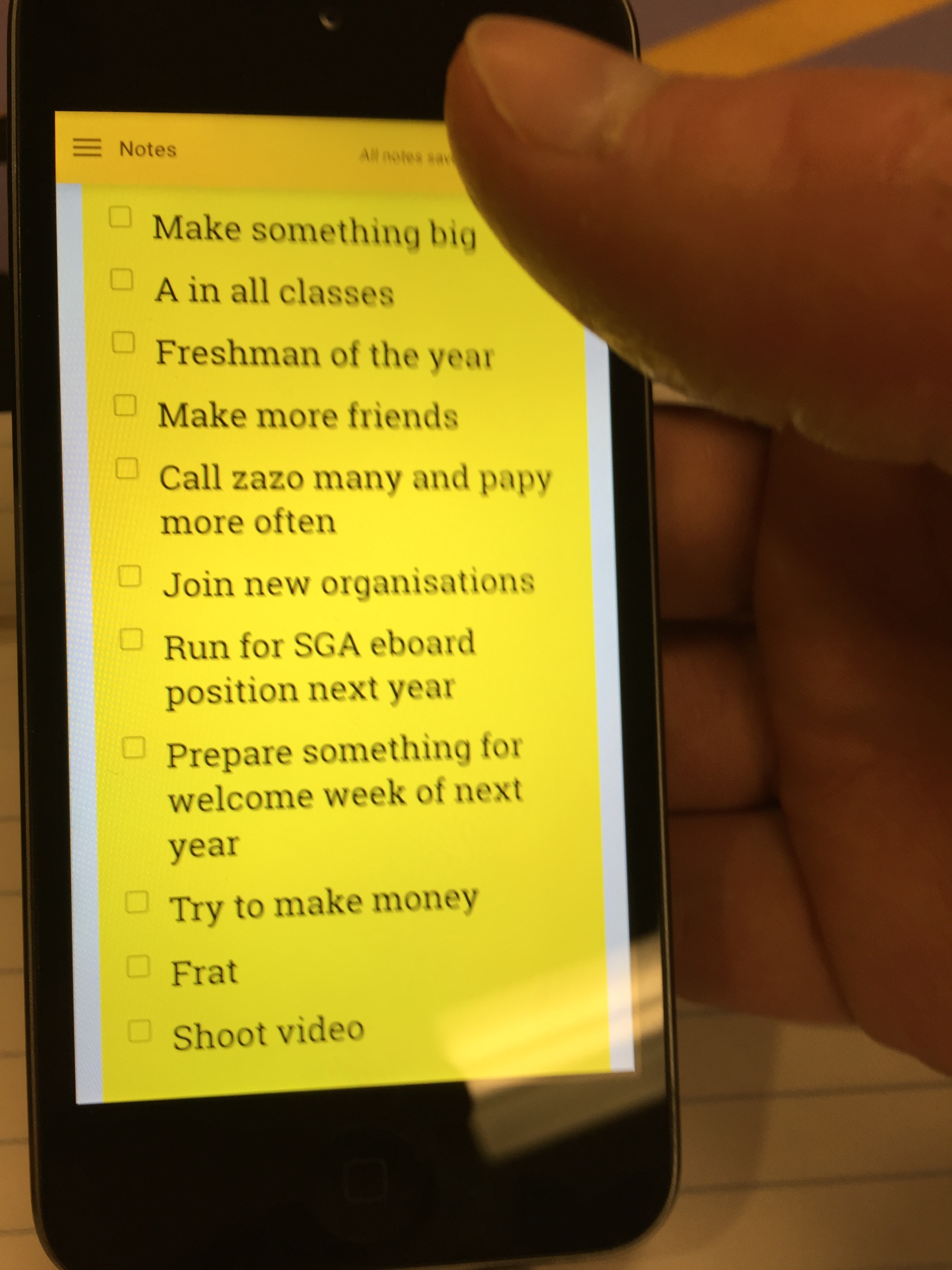
“Make something big,” “A in all classes,” “Freshman of the year.” Every day, Moustafa Elhadary reads these words a multitude of times.

Moustafa phone
Moustafa Elhadary has programmed a list of goals for the spring semester in his iPod that he will refer to as the year goes on.

Elhadary, a first-year computer engineering major at Penn State Behrend, has programmed a list of goals into his iPod. Placed on a radiant yellow background, the list was created by Elhadary as he sat inside a plane on his way back from his home country of Dubai for the start of the spring semester in January.

He reached many of his goals during the fall semester. He compiled a 3.88 GPA and served as a senator for the Student Government Association, chairman of the International Student Organization and promotional coordinator for the Muslim Student Association.

However, he says he hopes this is only the beginning for him. That’s where his list comes into play.

“I always put my homework assignments into my iPod, so when I look at my homework, I see these goals, and because they’re vibrant yellow, they grab my attention every time,” Elhadary says. “It reminds me that I came here for a reason. Sometimes you get caught up in the everyday things, and this list reminds me, ‘Hey Moustafa, your parents spent a lot of money for you to come here, and you need to make them proud.’”

This is one of the main reasons Elhadary has set out to make the most of his time at Penn State Behrend. While he has been active in many clubs, he has been mindful of his academics. Last semester, he had an epiphany.

“I thought, ‘What if I can stay here for four years and get two degrees instead of one?’” Elhadary recalls. “So, in the middle of the semester, I said, ‘Why not?’”

At the moment, Elhadary is taking 22 credits and considering second major options. Industrial engineering or software engineering are possibilities, but he also might consider a business major.

With so many credits this semester combined with his extracurricular activities, time has proven to be a limited resource for Elhadary. At times, he’s even struggled to find time to connect with his family.

“I’ve barely called them because of my schedule,” he says. “I’ve really been trying to, but it’s hard.”

Fortunately, thanks to his iPod, he gets frequent reminders. It’s right there in bright yellow: “Call Zazo, Many and Papy more often.”

10468211_10204119083750361_4245400114951582473_o
Moustafa Elhadary, left, has made a list of goals for the spring semester, one of which is to make more friends. He’s already made a number of friends at the college though, including fellow international students Hansel Lobo, center, and Tyagadipta Biswal. The trio made a trip to Pittsburgh during the fall semester.


Meet Standout Senior Sara Victor

By Heather Cass
Publications & Design Coordinator, Penn State Behrend

Victor Professional pic

Major: Interdisciplinary Business with Engineering Studies (IBE)

Hometown: Grand Island, New York

On choosing Behrend: I visited Behrend for the first time at the end of my junior year of high school. I immediately loved the campus and people. The IBE major really sold me on Behrend.

On majoring in IBE: In high school, I enjoyed my technical classes and thought I would go to school for Mechanical Engineering, but I found the IBE program to be the perfect fit! I wanted to learn about both sides of a company—business and engineering.

Self-starter: In October 2013, I identified an opportunity to introduce Penn State Behrend to a new organization. The National Organization for Business and Engineering (NOBE) is an organization that influences personal development and leadership for students interested in both business and engineering. After serving as president of Penn State Behrend’s thirty-five member chapter in 2013, I became the Vice President, Internal on the National Board. I currently hold this exciting role and focus on expanding NOBE chapters throughout the country.

Personal passions: Skiing, travel, politics, the Buffalo Bills

Advice for current students: Studying abroad is a must! Arrange your academic plan during freshman year so you can incorporate a trip. I studied in London, England, during my sophomore year. Not only did I learn about new cultures, meet lifelong friends, and travel, but I also learned so much about myself. It was an exciting adventure that I will never forget.

Sara has accepted a position as a quality engineer in the medical device industry following her graduation in May.

Victor London pic

Sara in London


Secret Lives of Faculty: Dr. Pam Silver

By Heather Cass

Publications & Design Coordinator, Penn State Behrend

There’s much more to Penn State Behrend’s faculty and staff members than what you see on campus. In this occasional series, we’ll take a look at some of the interesting, unconventional, and inspiring things that members of our Behrend community do in their free time.

Bemis Point 2

NAME: Dr. Pam Silver

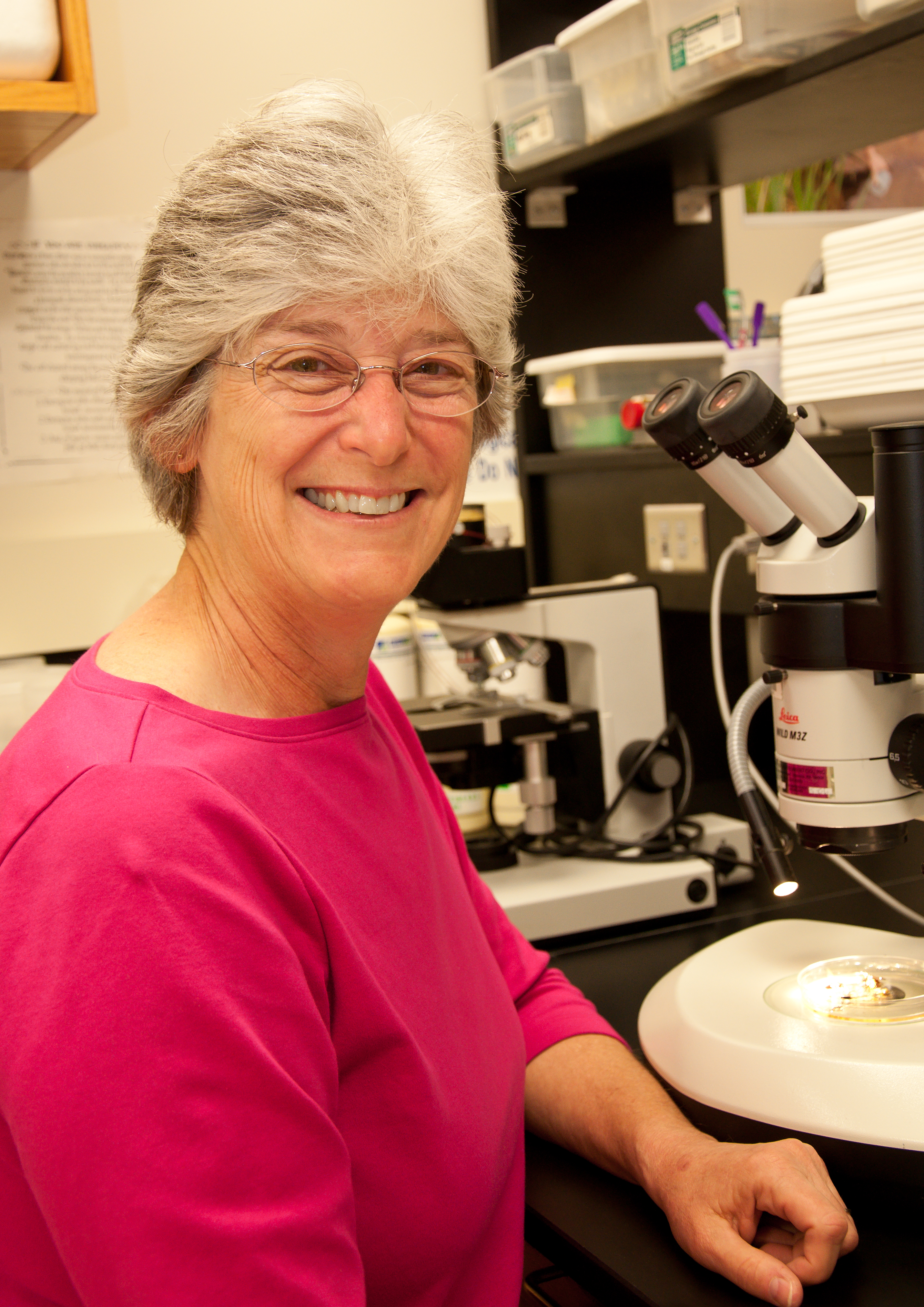
DAY JOB: Distinguished professor of biology, Penn State Behrend

SIDE GIG: Pipe Major, 96th Highlanders Pipes & Drums Corp

If Dr. Pam Silver’s childhood had a soundtrack, it would be the humming drone and romantic skirl of the bagpipes.

“My earliest memories are of following my mother around the yard as she walked back and forth playing bagpipes,” she said.

It wasn’t long before Silver was squeezing her own set of pipes under her tiny arm.

“I started taking lessons when I was 7 and got my first pipes when I was 9,” Silver said. “I’ve been playing ever since.”

Today, she is the Pipe Major of the 96th Highlanders Pipes & Drums, a pipe and drum corps that represents Jamestown and Chautauqua County, New York, at parades, festivals, and special events throughout the year.

96th Highlanders 2011 Color shot

Silver said her favorite music to play on the pipes is a trio of songs: Mrs. Joy Cairns, Rebecca’s Air, and Shoshanna’s LullabyEach of the songs is a tribute to women—wives, mothers, daughters.

“To me, that set is just one giant love song,” she said.

Speaking of love songs, Silver’s husband, Doug Clark, shares her passion for music. He is the drum sergeant in the 96th Highlanders (that’s how they met). He runs a large Celtic festival every August in Mayville, New York. To coin a trite, but wholly appropriate phrase, they make beautiful music together.

In addition to her performances and practices with the 96th Highlanders, Silver offers bagpipe lessons and takes on the occasional private gig, playing at weddings, parties, funerals, and, once, a bat mitzvah.

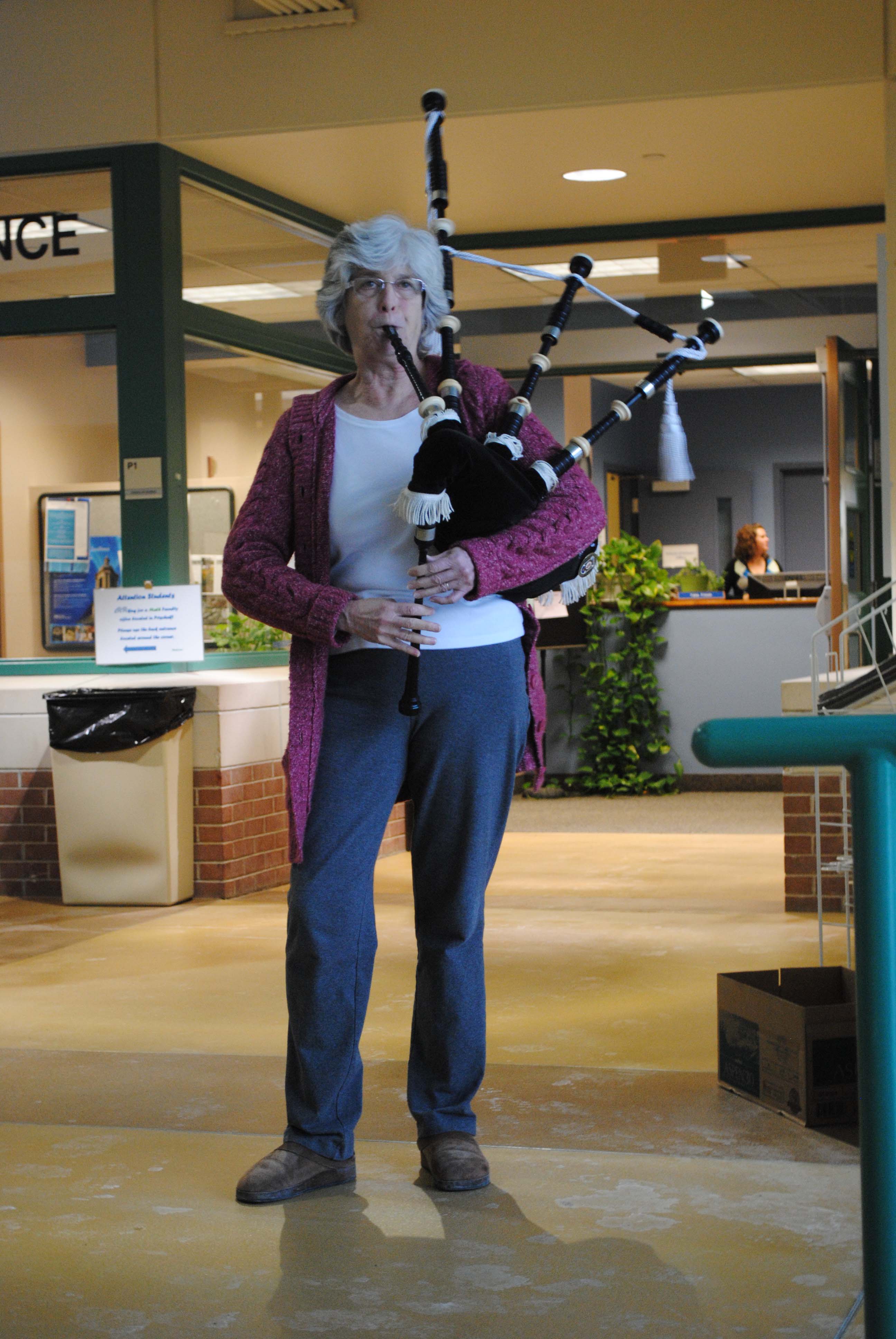
She’s also been known to liven things up in the School of Science with impromptu performances.

“When it’s been a long week, or when the students have been working really hard, I like to bring in my pipes and play a little,” she said. “It lifts spirits and makes a lot of noise.”


DSC_0271

ON THE CREATIVITY OF SCIENTISTS:

“People sometimes think science is about memorizing facts, but it’s really about discovering facts and wringing answers out of nature,” she said. “When you have a scientific question, it takes a lot of creativity to find the answer to it.”

FROM BLOOD TO BIO:

“I worked as a medical technologist at a blood bank in Florida for ten years while I raised my sons. When they got older, I decided to go back to grad school to be an ecologist, but I never could learn to like the Florida heat. I grew up in rural New Jersey, so I was happy to move back to the Northeast to work at Penn State Behrend.”

ON TEACHING:

“If we want to save the world, or at least slow the destruction of our ecosystem, we have to communicate effectively with non-scientists. Scientists tend to be introspective and many of them struggle to explain things to those outside their field. I’m really good at explaining things, so the most useful place for me to be to help fix our ecosystem is in the classroom. By teaching students to respect and appreciate our natural resources and insisting they take action to preserve it, I can have a much larger impact than I could if I worked only in the lab or in the field.”

ON ECOLOGY (AND HER SPECIALTY – AQUATIC ECOLOGY):

“I love ecology because it pulls everything together. I get to talk about all kinds of subjects from history to politics to engineering because it all influences our ecosystem. Also, I really love to play in the water.”

WHAT SHE WANTS THE WORLD TO KNOW:

“Water is our most precious natural resource, and it should never be wasted or deliberately contaminated. Drinkable water is not abundant and is, in fact, one of our most scarce natural resources. People don’t realize that yet, but they will. And it will happen in our lifetime. Every living thing needs clean water. We can’t survive without it.”

ON EDITING FRESHWATER SCIENCE:

Silver is Editor-in-Chief of Freshwater Science, a highly-rated international scientific journal that has doubled in size and tripled in submissions since Silver took over in 2005.

“It’s a ton of work,” she said. “I spend probably sixteen hours on every paper in that journal. But, it’s really satisfying work. I like making sure the science is well-written and understandable. And I’ve amassed a huge network of scientific colleagues from across the world. I have learned something from each of them.”

A DISTINGUISHING HONOR:

Silver was recently named a University distinguished professor, an honor bestowed on fewer than 120 faculty members University-wide. She was nominated by Dr. Martin Kociolek, director of the School of Science.

“I’m still not sure if I’m worthy of the title, but there are people who I have tremendous respect for who think that I am, so I guess I can trust their opinion,” she said with a laugh.

Pam Silver 2010 JF

SILVER STATS:

Time at Behrend: 22 years

Favorite aquatic insect: Midges. “They are very interesting and ecologically important to the health of a lake.”

Hobby No. 2: Making small, decorative quilts. “I created one as a memorial to a famous aquatic ecologist and donated to the Society of Freshwater Science for their annual auction to benefit graduate students and it fetched a donation of $2,600!”

Hobby No. 3: Gardening. “It’s therapeutic to have your hands in the soil.”

Favorite TV show: Madam Secretary.

Favorite sweet treat: Coffee-flavored ice cream.

Dream vacation: Hiking in the Swiss Alps. “I’ve done it before, but I’d like to go back.”

Book she’d recommend everyone read: Lord of the Rings. “I inherited the book from my grandfather and didn’t think I’d like it, but I reread it every year.”

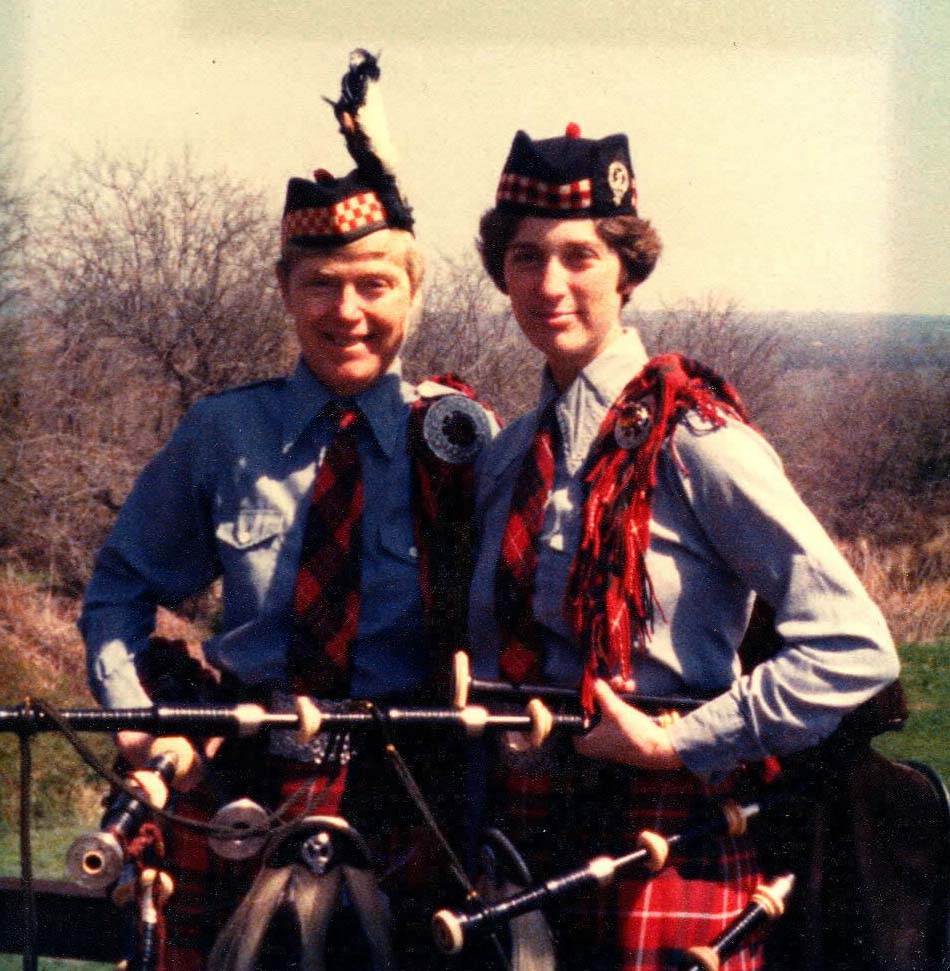
Person she admires most: Her mother. “We drive to New Jersey once a month to visit her. She is 85 and still plays the bagpipes. We play together every chance we get.”

Edith and Pam Silver 1975 cROPPED

Dr. Silver, right, and her mother, Edith