Behrend Machinists Build More Than Parts

By Heather Cass, Publications Manager, Penn State Behrend

Chris, left, and Andy Bartlett

The School of Engineering’s annual Fasenmeyer Design Conference is a big day for senior engineering student, the culmination of a two-semester capstone project. Faculty, industry sponsors, family, and friends fill the presentation rooms. Students wear suits and aim to impress.

So, when one team’s project literally fell apart outside the classroom minutes before their presentation, you can imagine the panic it induced. The project, months of work, lay in pieces.

Then Chris and Andy Bartlett arrived.

With tools in hand, Penn State Behrend’s resident machinists and problem-solvers dropped to their knees beside the students.

“It was like a NASCAR pit crew in the hallway,” Chris recalls with a laugh.

They got it working. The students presented. The project succeeded.

It’s exactly the kind of moment Chris and Andy relish and show up for—even when they don’t have to.

“They don’t have to come in over the weekends to machine parts for the Society of Automotive Engineers (SAE) club’s competition car the week before our competition,” said Hunter Kamensky, a senior Mechanical Engineering Technology major and a member of the club’s executive board. “They didn’t have to become Environmental Health and Safety coordinators of the SAE/Robotics Lab to ensure our safety, and they didn’t have to come to the SAE club’s car-testing day at Lake Erie Speedway to show their support, but they did. They care about students.”

Chris has been at Behrend for five years; Andy, his uncle, for three. Combined, they bring sixty years of tool-and-die industry experience to the School of Engineering.

They also bring a willingness to show up, say yes, and help students turn drawings into reality.

We sat down with Chris and Andy to talk about their work, why manufacturing matters, and what they hope students learn from them.

For someone unfamiliar with machining, how would you describe what you do here day-to-day?

Chris: We make things the engineering students and faculty design.

Andy:  We try to help them succeed by giving them the best approaches and let them know when something is not feasible. 3D printing is cool, but it’s fictitious. You can design and build parts with a 3D printer that won’t hold up in the real world.

What kinds of projects do you most often help with? Do any stand out as especially challenging?

Chris: We help with research projects, molds for the Plastics Engineering Technology program, welding, fabrication, capstone projects, and student clubs. We’re big supporters of the clubs because students learn a lot tinkering and working on side projects.

Andy: One of the most challenging projects we work on every year is the Cast in Steel capstone project, where students design and build functional replicas of traditionally forged items using modern steel casting. It’s reverse engineering. You basically have to work backward to create the piece. It’s technical, hands-on, and really fun.

When a student brings you a design that isn’t quite manufacturable, how do you handle it?

Chris: We can usually tell just by looking at plans what will work and what won’t. We mark it up, make suggestions, and show them the empirical data on what they are trying to do and why they need to revise.

Andy: Students do challenge us sometimes. We allow them to think it through or even try it, unless it’s going to be catastrophic. Failure teaches more than success.

The difference for us, having worked years in industry, is that we know manufacturing is inherently challenging. But in the shop, where they’re making a profit, everything has to be perfect. Failure is not something they embrace. The education environment is quite the opposite—we let them think through a bad idea. Then they really understand it.

What do engineering students learn in the shop that they can’t learn in a classroom?

Andy: In manufacturing, you learn that there are things that can be perfect in theory but impractical in real life. Tolerancing is a concept that clicks in the machine shop. The weight of materials and size of parts matter. Plastic is light, steel is very heavy. The physical reality matters.

Chris: Before they get to the machine shop, they’re working on fundamentals and hypotheticals. It’s all theoretical in the classroom, but when they see it, they really get it.

Andy: We have a dozen MET students, mostly seniors, who work with us on a weekly basis now. We wish we could get them in the shop in their first year. It would aid everything they’re learning in the classroom.

Can you share a memorable moment working with students?

Chris: That hallway moment with the senior design team—the NASCAR pit crew moment—that’s one.

Andy: Attending the SAE vehicle club’s training sessions at Lake Erie Speedway. We were testing on the track, doing modifications right there. We try to teach students to stay calm, even when things fall apart—because they will. You can’t be in a panic and do good engineering work.

How does your industry experience influence how you teach and support students?

Andy: At 22, young people tend to think they know everything, but I tell them when they get their first job, try to find a guy who is 50 or 55 and learn as much as you can from him. Those guys have real-world experience. You can learn a lot from them.

We also tell them to work on their interpersonal and teamwork skills, and we just try to instill the reality that manufacturing is hard work, and they will have mundane days. That’s just life.

Chris: We also encourage internships. That real-world experience is invaluable. They’re getting an excellent education at Penn State Behrend, but that physical contact with manufacturing matters.

Safety regulations limit the students’ access to the shop. How have you tried to help maintain hands-on opportunities?

Andy:  We started to think about ways that we could legally allow students to work in the shop and have been making some headway. There’s a danger factor. We have limitations we have to work with. There’s a lot of training involved.

We’re very involved in America’s Cutting Edge (ACE), which offers hands-on CNC training at Behrend for students over sixteen. It’s ideal for those who are interested in exploring engineering, manufacturing, or hands-on technical careers.

Chris: ACE gave us the ability to get mechanical engineers on the floor for a forty-hour boot camp. They construct an air engine. In total, we’ve had about sixty students take part in the boot camps.

Andy: We also offer support for the METAL program—a four-day hands-on training experience in casting and forging. The goal of these programs is to get young people involved in manufacturing. The next round of skilled manufacturing workers are being developed here.

There are camps scheduled for spring break and right after the semester ends, in May.

What’s the most rewarding part of your job?

Chris: Working with students. Teaching them what I love to do.

Andy: I love it when a student has that lightbulb moment. When they think…“Now that thing I learned in class a year ago makes sense.”

We also love that Behrend emphasizes hands-on experiences. We hear back from friends in the field that Behrend students stand out on the manufacturing floors. One told us: “If I go into a shop and I see a student or young employee who is really sharp, I ask where they go to school—it’s almost always Behrend.”

What do you hope students carry with them from their time working with you?

Andy: We talk about life a lot. We tell them: The most stressful jobs make the most money. What is your life worth to you? How important is that money? Consider if you want to walk that walk.

Chris: We want them to understand that this is real. This is how things are made. This is how you solve problems. And we want them to know they can do it.

Andy: Manufacturing is such a noble thing. Man is meant to make things.
Standout Seniors 2025: Meet Daniel Gayoso (Computer Engineering)

Penn State Behrend’s Class of 2025 is ready to make its mark on the world. We’re proud of our students and all that they have learned and accomplished here at Behrend. Over the next several weeks, we will introduce you to a few of our remarkable seniors who have conducted valuable research, pioneered innovation, overcome challenges, and engaged in college life in a big way.

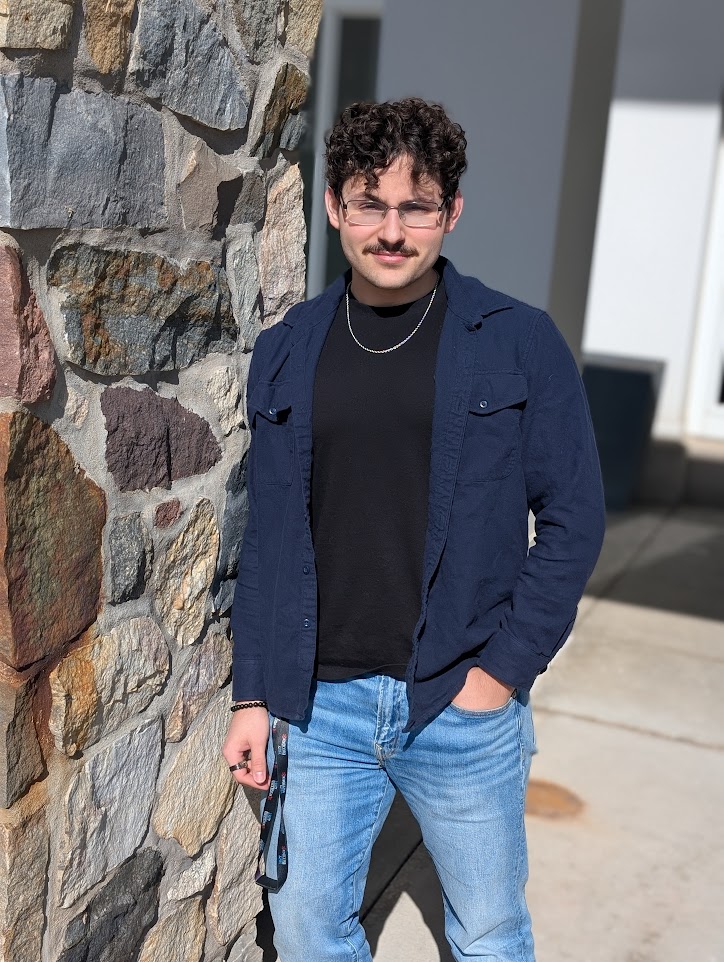
Today, we’d like you to meet Daniel Gayoso.

Major: Computer Engineering

Hometown: Moon Township, Pennsylvania

Scholarships: Frank S. Palkovic Trustee Scholarship

Why he chose Behrend: I like the smaller size of the campus and classes. It also had a reputable engineering program.

Why he chose his major: I built my first computer when I was 12 years old and kept tinkering all the way through high school. I was always very curious to learn how each hardware component functions alongside the software.

Challenges overcome: My classes, mainly in my junior year, were each a challenge in and of themselves. The raw amount of material to learn was incredible, but what also made it difficult is that much of that material is built off foundational math and science from your first and second year. You have to really understand the foundations.

Involvement and activities: Computer Engineering Club (President, Vice President); Behrend Engineering Ambassadors; Resident Assistant; Institute of Electronics and Electrical Engineering Club.

Side quest master:  I constantly get sidetracked during homework assignments and projects related to my major because I’ll see some random term I’ve never heard of that sounds interesting and I end up spending a half hour researching it.

What you’d be surprised to know about him: I have dual citizenship in the United States and Spain and my parents are immigrants from Venezuela. That said, my Spanish is not very good!

What he’s passionate about: Lifting weights and anything related to computers, electronics, or communications.

Learning happens outside class, too: You will get as much out of college and your degree as you put into it. Spend as much time as you can going beyond what’s being taught in the classroom. Join clubs, do internships, take on extra projects, or seek out research opportunities with professors. Like Dr. Abdallah Abdallah, associate professor of electrical and computer engineering, says: “Use the knowledge taught to you in your courses to build things outside of them.”

Curiosity and enthusiasm matter: Make sure you enjoy what your major has to offer. The best engineers I know are the ones who think about it 24/7. They are the type of people who wake up in the middle of the night with a solution to a problem they’ve been ruminating on for weeks. This doesn’t mean you have to sacrifice a social life or adequate sleep to be a good engineer, but the more curious and enthusiastic you are about your work, the further you will go.

Advice for first-year students: Make an effort to leave your comfort zone. Also, if you didn’t like the person you were becoming before college or wish that you were different in some way, you can reinvent yourself. It’s a whole new start.

After his graduation in May, Daniel plans to work in the computer engineering field for three to five years and then pursue a master’s degree in computer engineering.

Plastics Engineering Technology Students in Denmark & Sweden — Travel Log #2

No matter how vivid the photos or descriptive the lecture, there’s nothing quite like seeing and experiencing another country in person. And, in today’s increasingly global business climate, it’s vital that students be versed in the culture and business practices of international partners. There is much to be learned from seeing how others do it. That’s why, every year, students in the Plastics Engineering Technology program have the opportunity to travel overseas to visit plastics companies and universities and attend a plastics trade show, too.

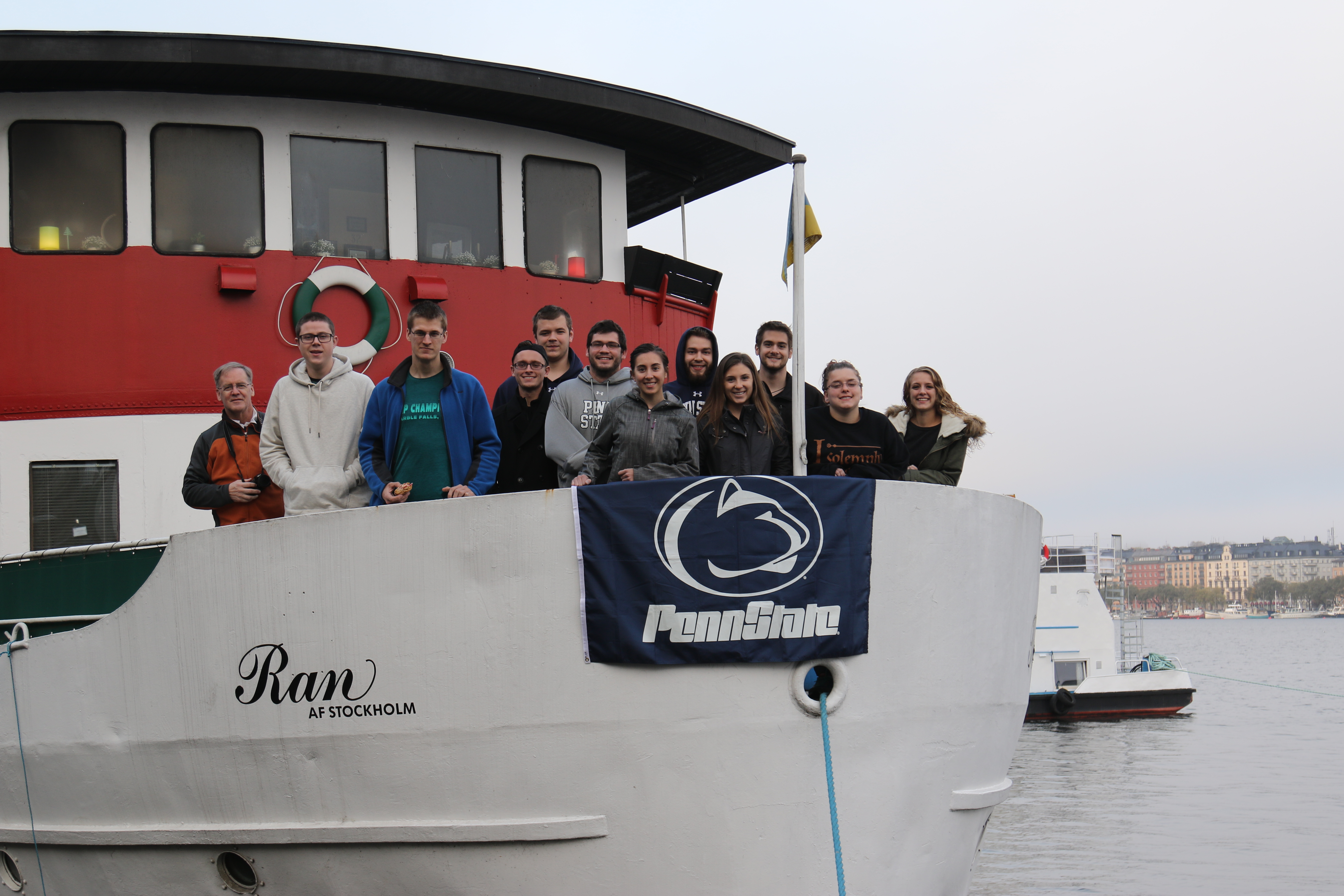
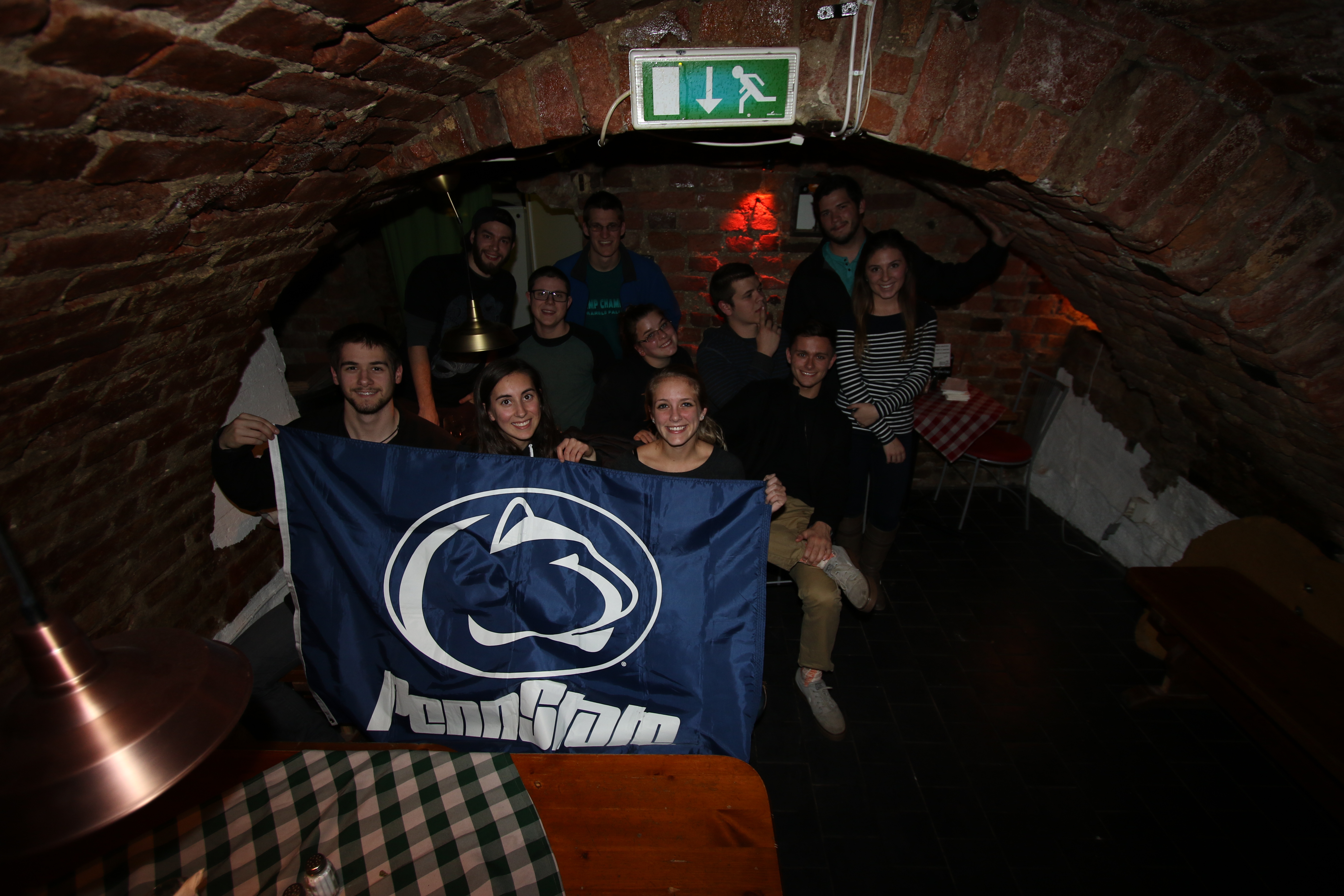
Eleven students recently returned from a ten-day trip to Sweden and Denmark. We asked them to send us some photos and tell us about their journey. In this blog post, we pick up with the students on Day 8. (You can read the first week of their trip here.)

Day 8 – Thursday, October 22nd

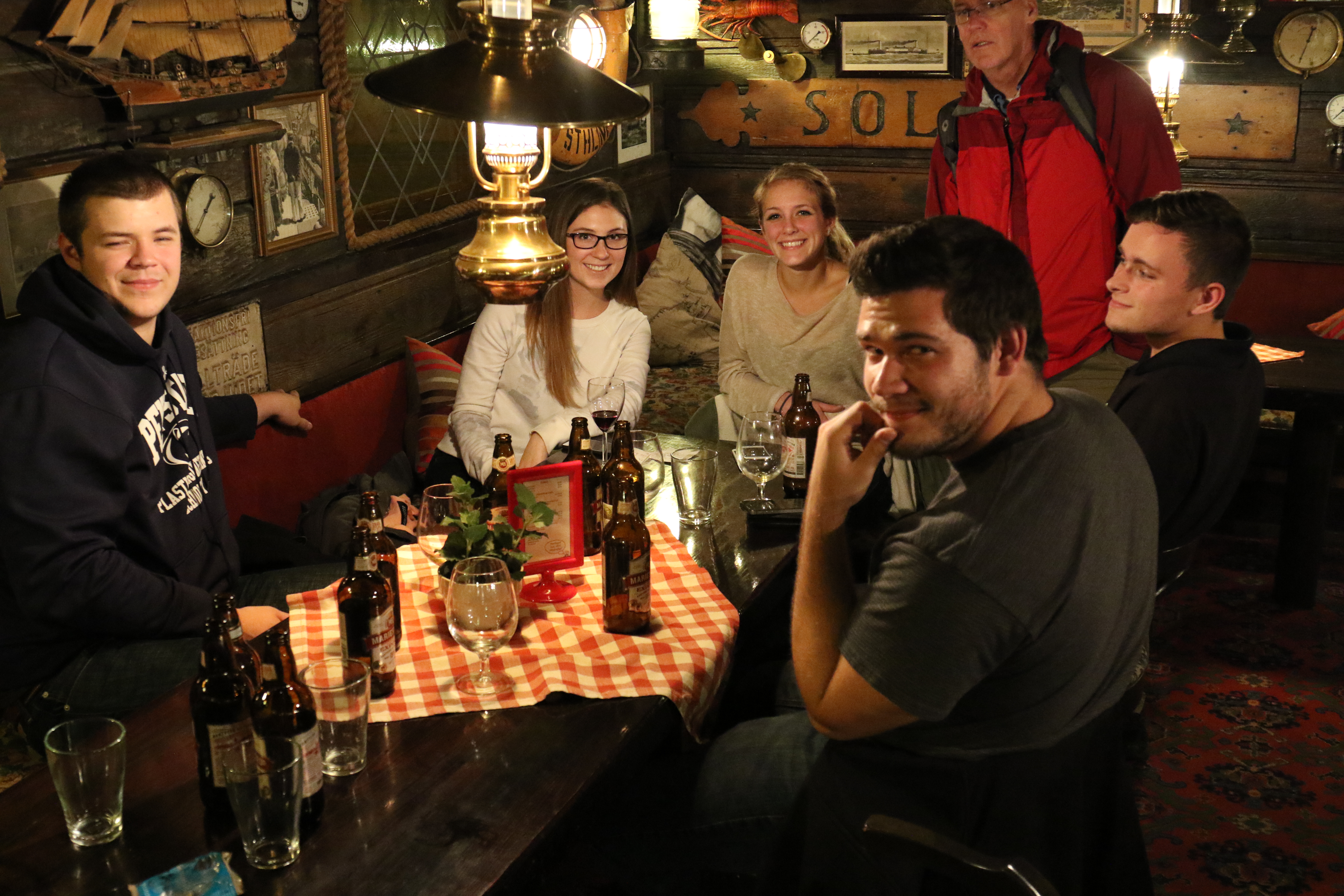
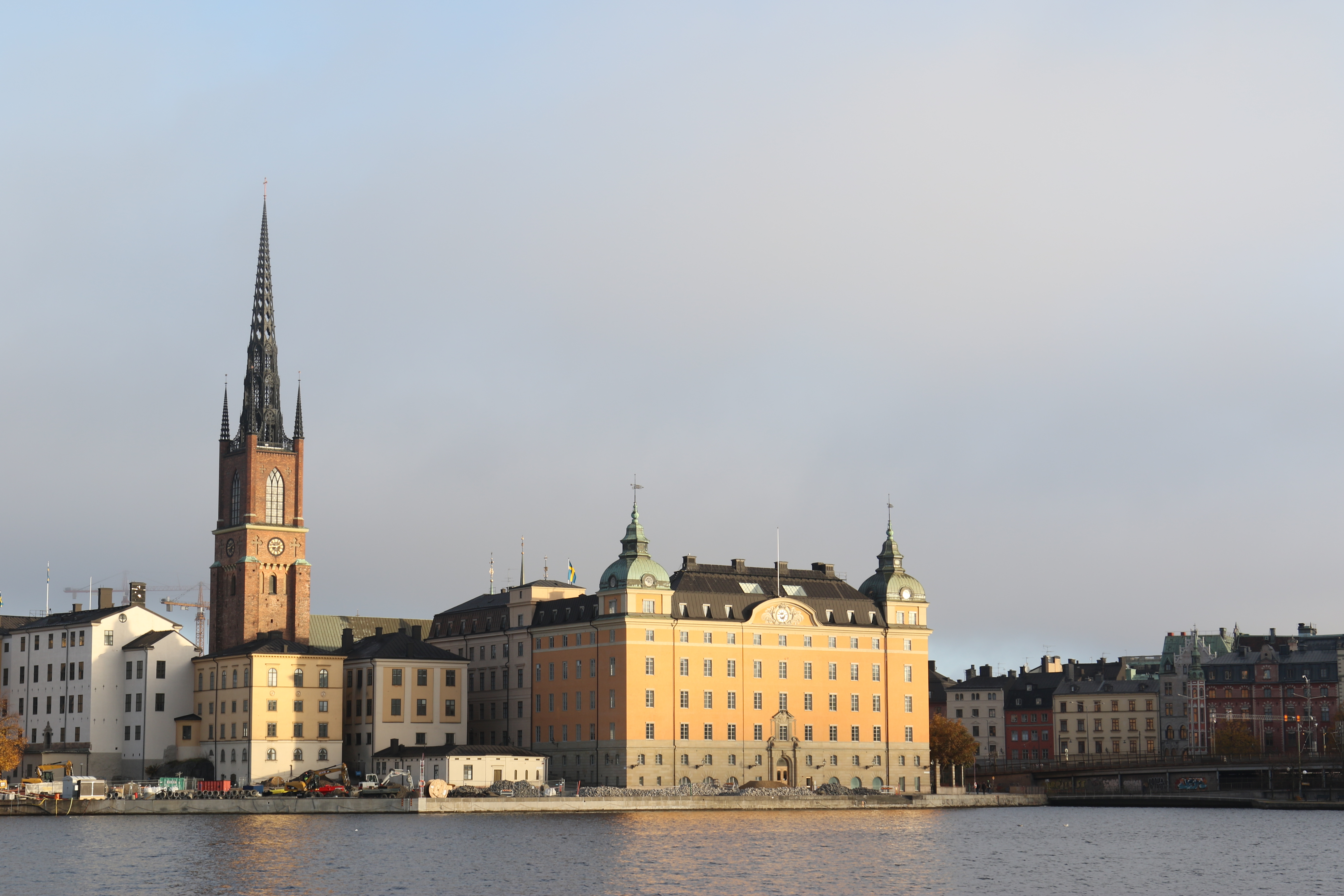
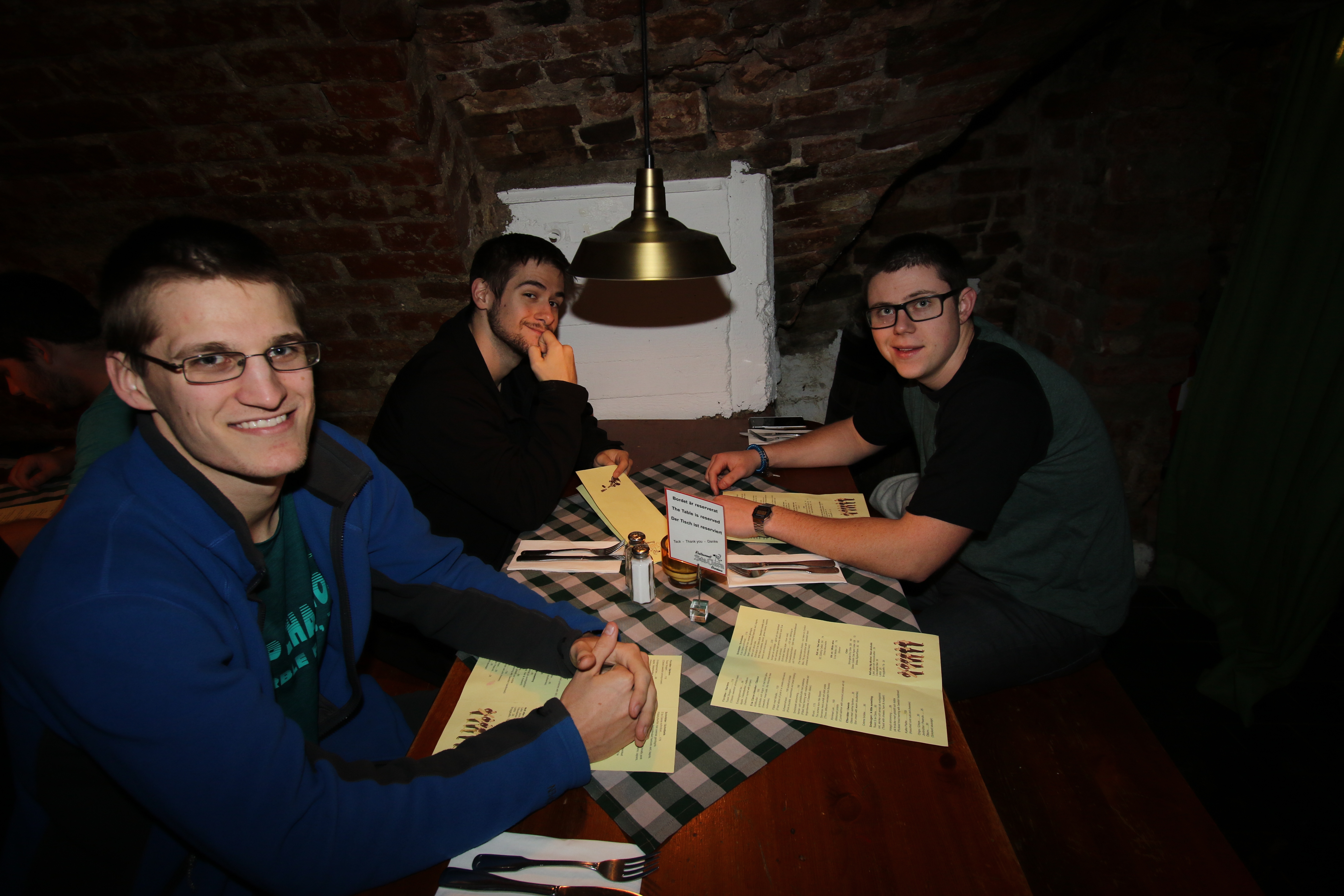
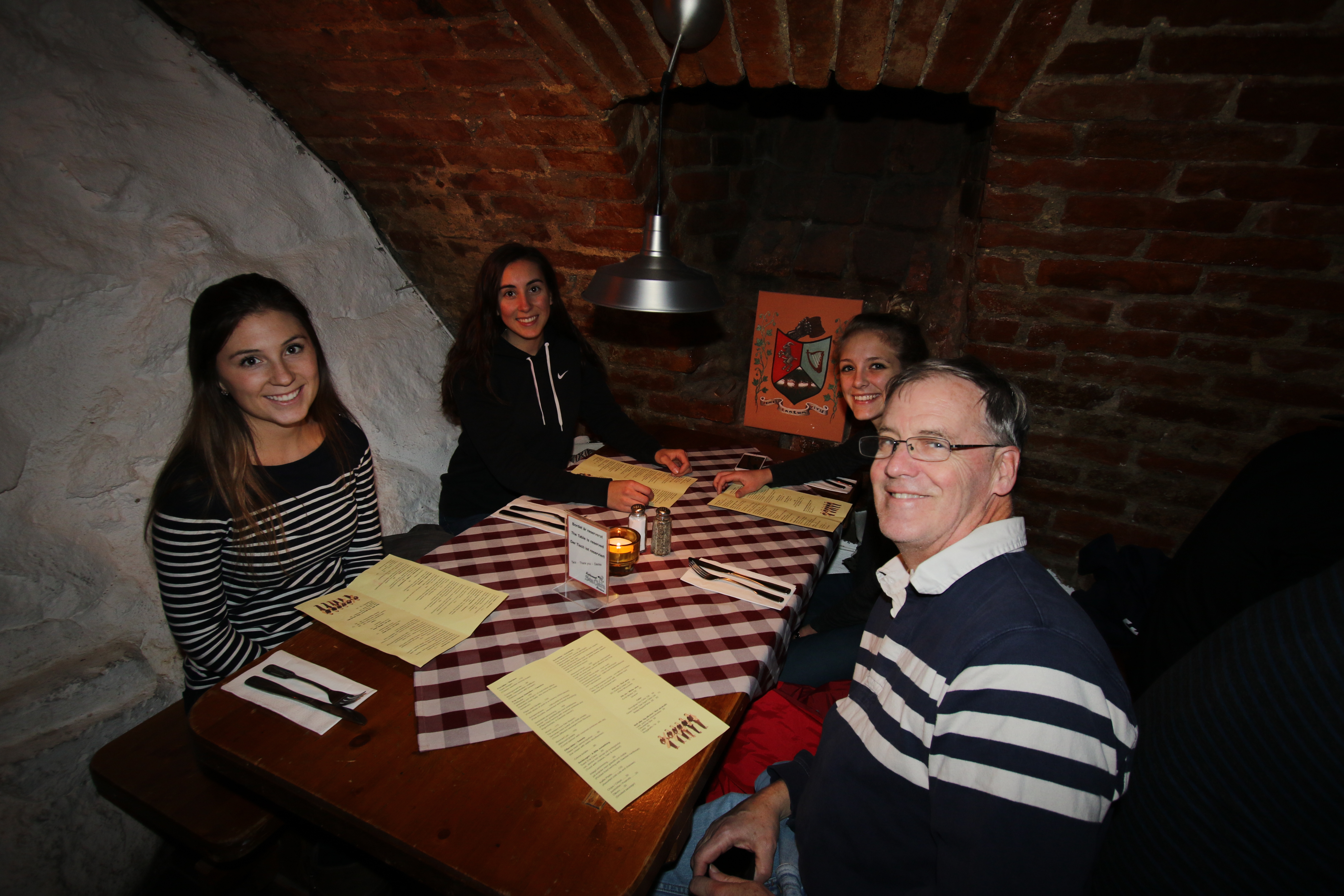
After breakfast, we had a long train ride from Gotenborg to Stockholm during which we were able to admire the beautiful countryside of Sweden. Once we arrived, we made our way to our hostel along the Riddarfjärden bay. We then had the evening to scout out the different places that we wanted to visit and find a local restaurant for some classic Swedish cuisine.

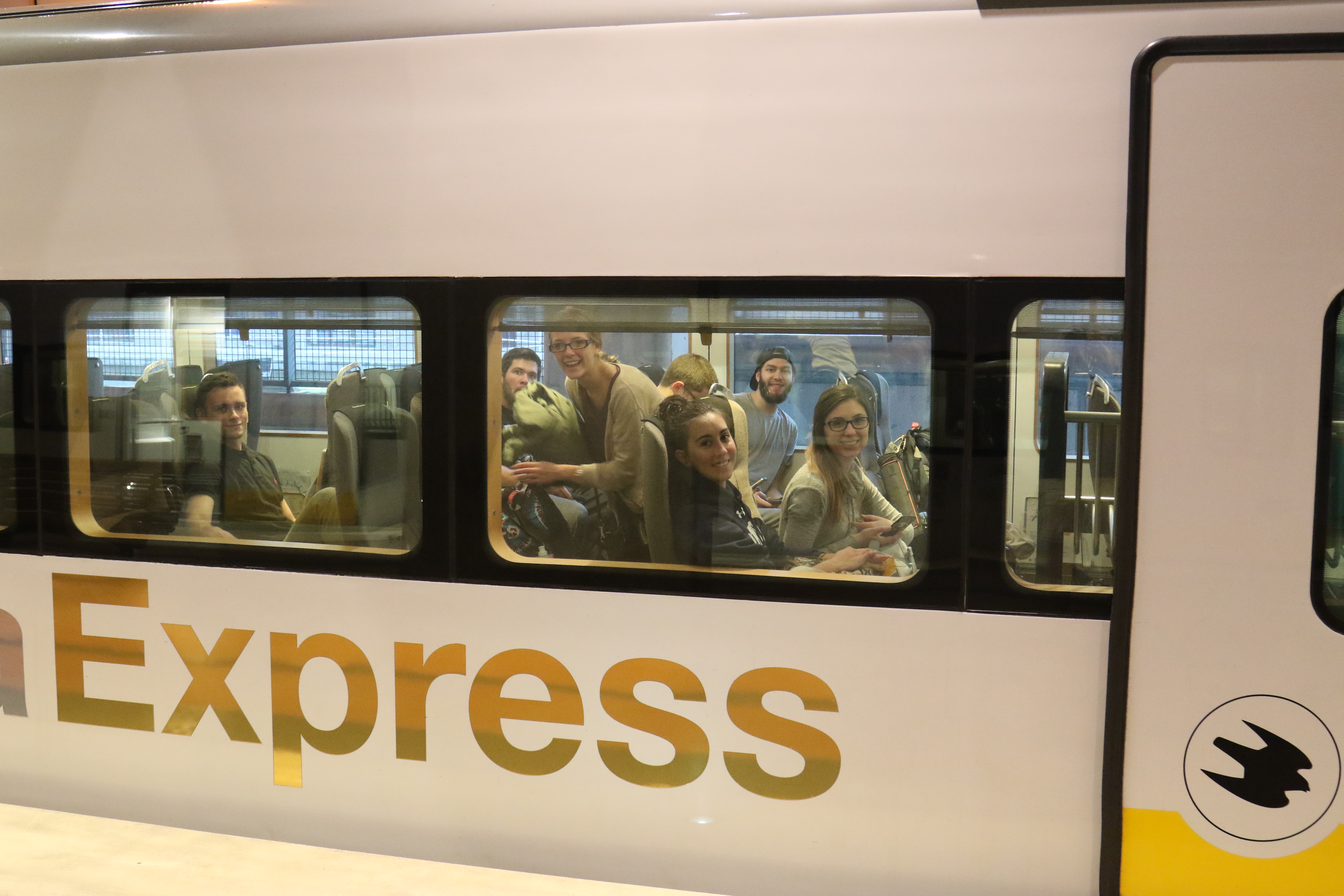
4Q7A7806

4Q7A7941

Day 9 – Friday, October 23rd

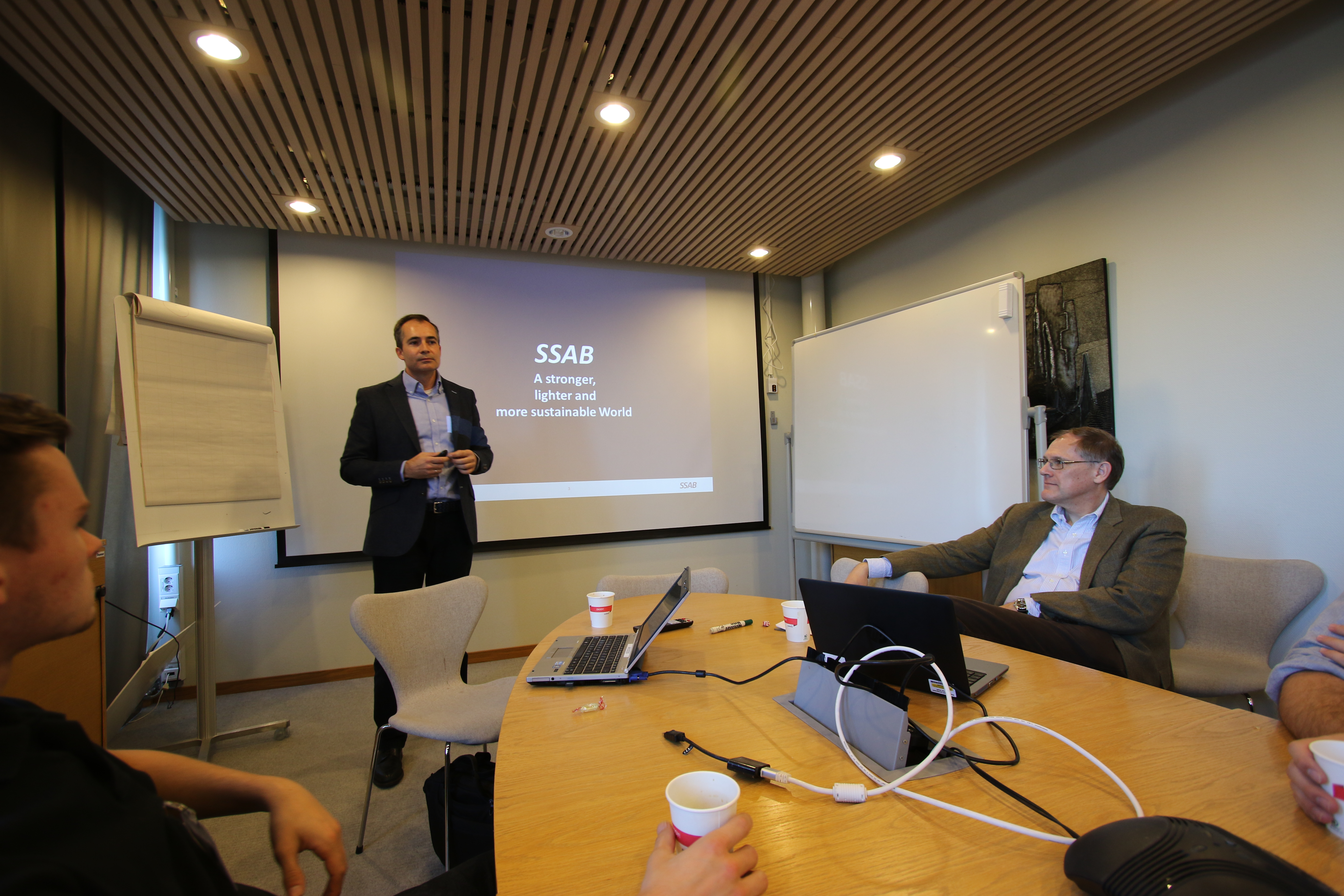
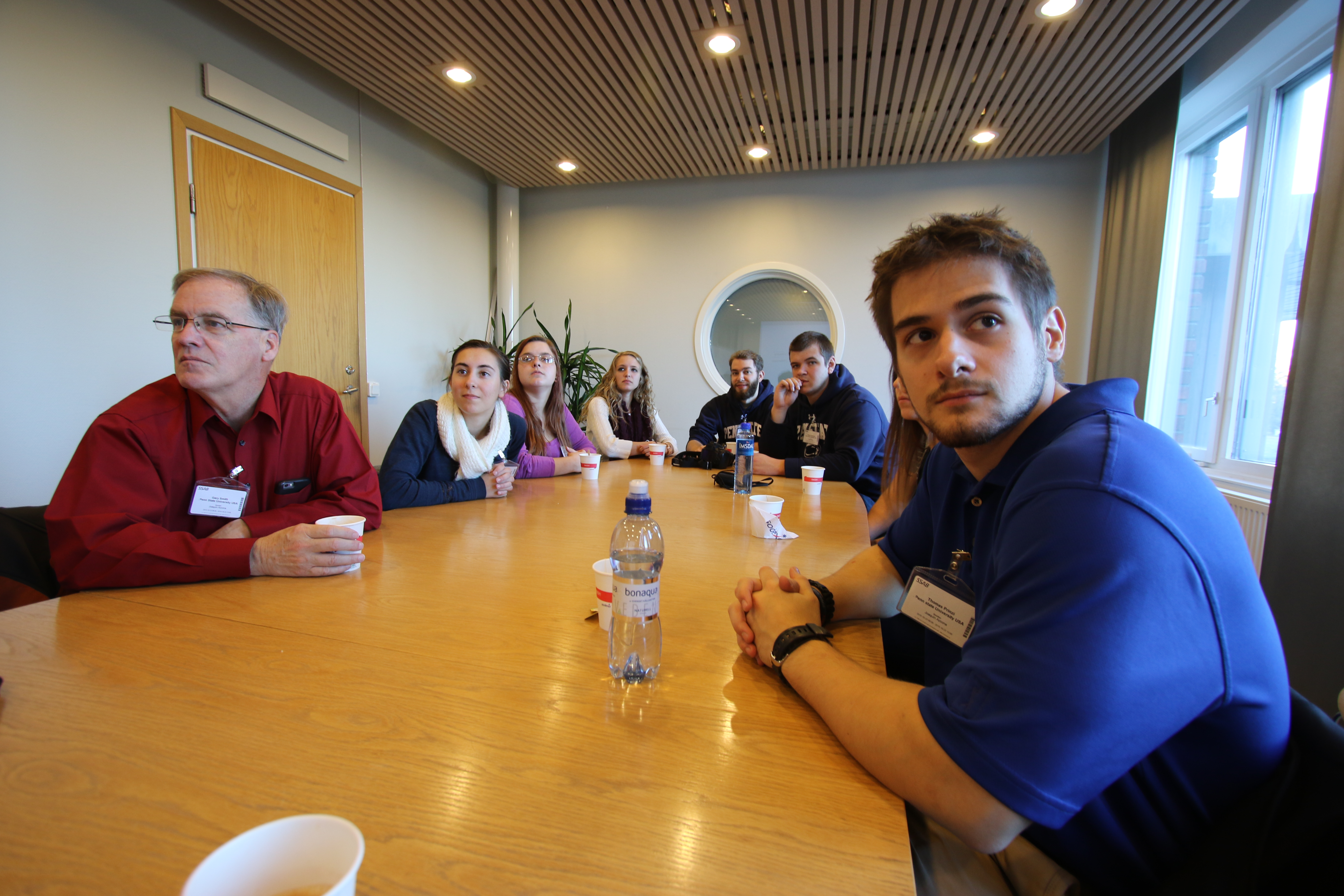
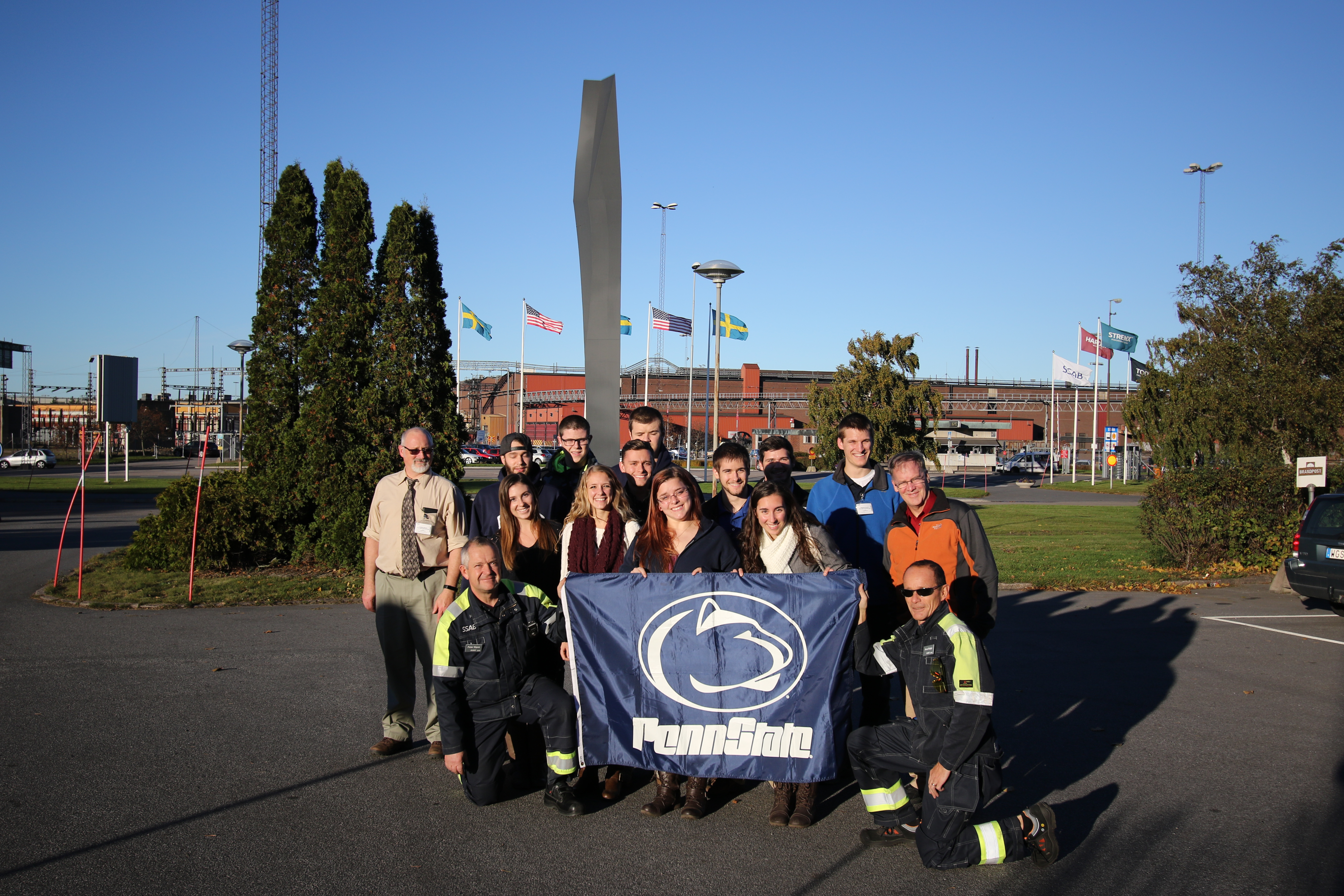
On Friday, we took the train to SSAB Steel Mill for a presentation and tour of their facility. The presentation discussed the advantages their tool steels provide over more commonly used materials, including their high strength and hardness properties. Touring the mill was an eye-opening experience. The size of the equipment required to manufacture the steel itself was overwhelming. Rolling the hot steel slabs caused the entire room to shake and we could feel the heat from about 20 yards away. After the tour, we rode the train back to central Stockholm to spend the rest of the night exploring the city.

4Q7A7865  ssab tour ssab_tour

Day 10 – Saturday, October 24th

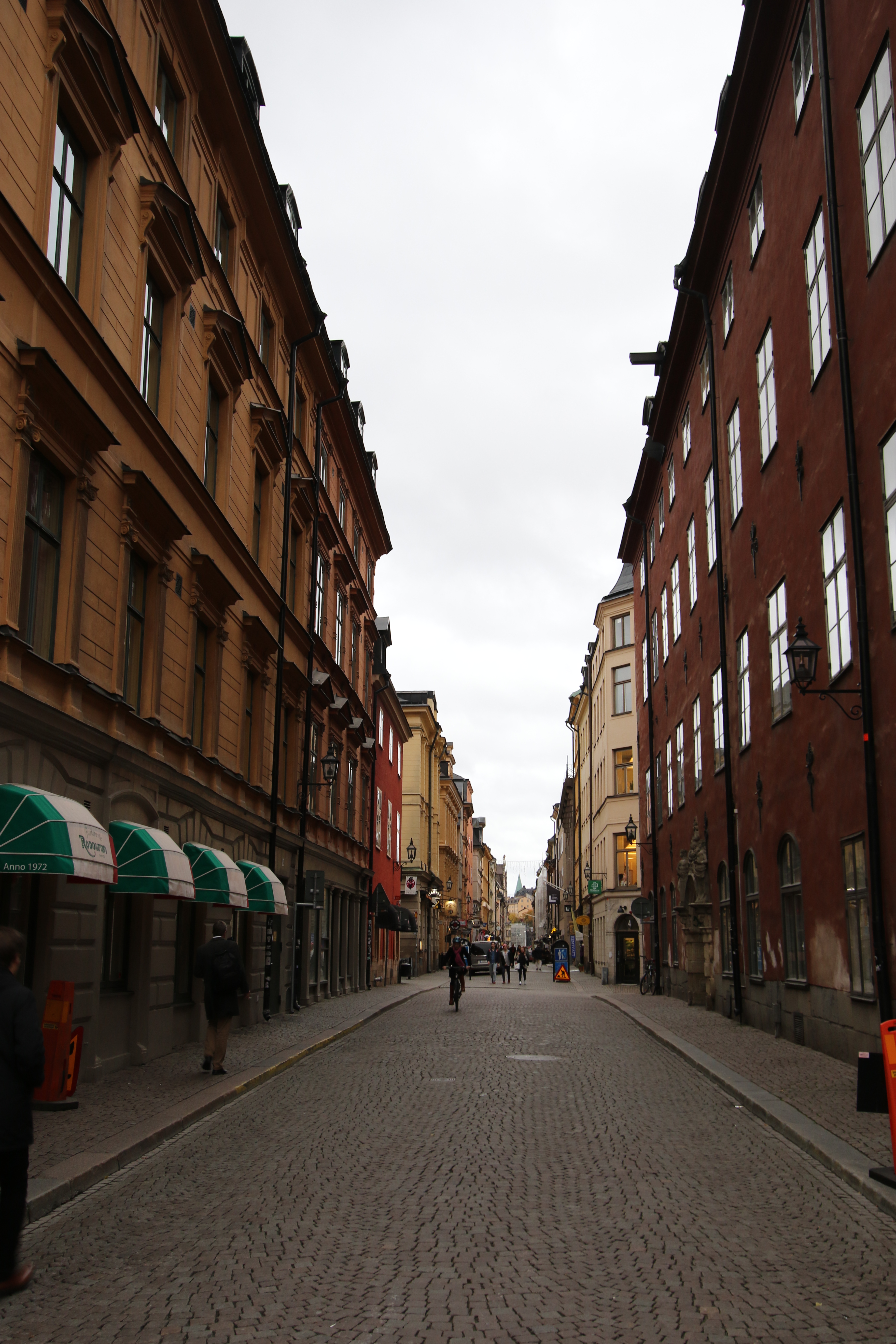
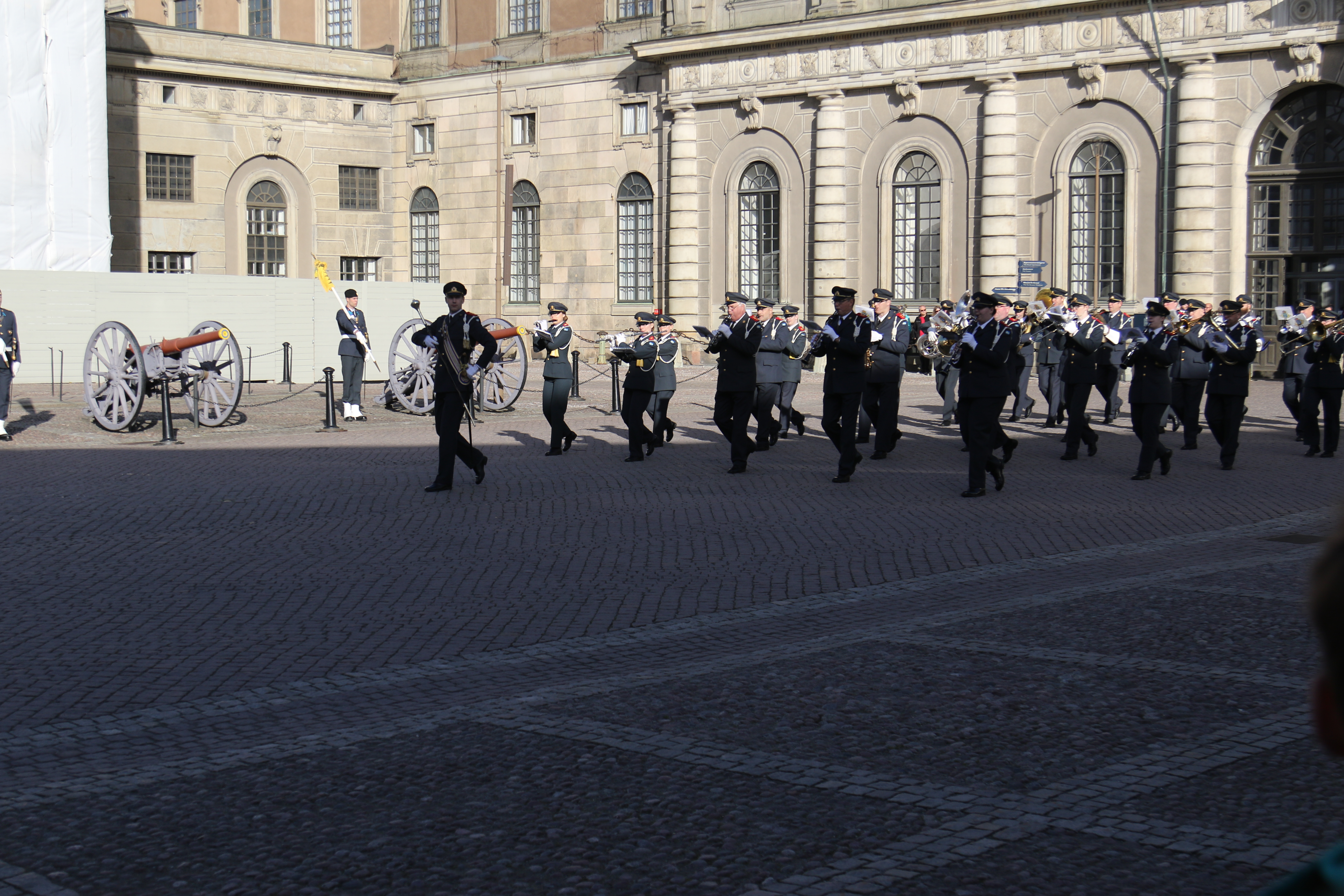
Saturday was our opportunity to explore the historic sites in Stockholm. During breakfast we used our city and bus maps to plan our events for the day. The events included touring the Vasa Museum (a museum dedicated to a salvaged warship), exploring the Royal Palace, and roaming the scenic streets of “Old Town.” We were also able to visit some of the local shops in search of souvenirs. Our evening consisted of a final dinner together at a local restaurant, followed by dessert at a near by ice cream shop. We ended our day back at our hostel where we began packing for the journey home.

old town

“Old Town”

4Q7A80134Q7A8021royal palace

Royal Palace

vasa museum

Vasa Museum

4Q7A8577 4Q7A8549 4Q7A8545

Day 11 – Sunday, October 25th

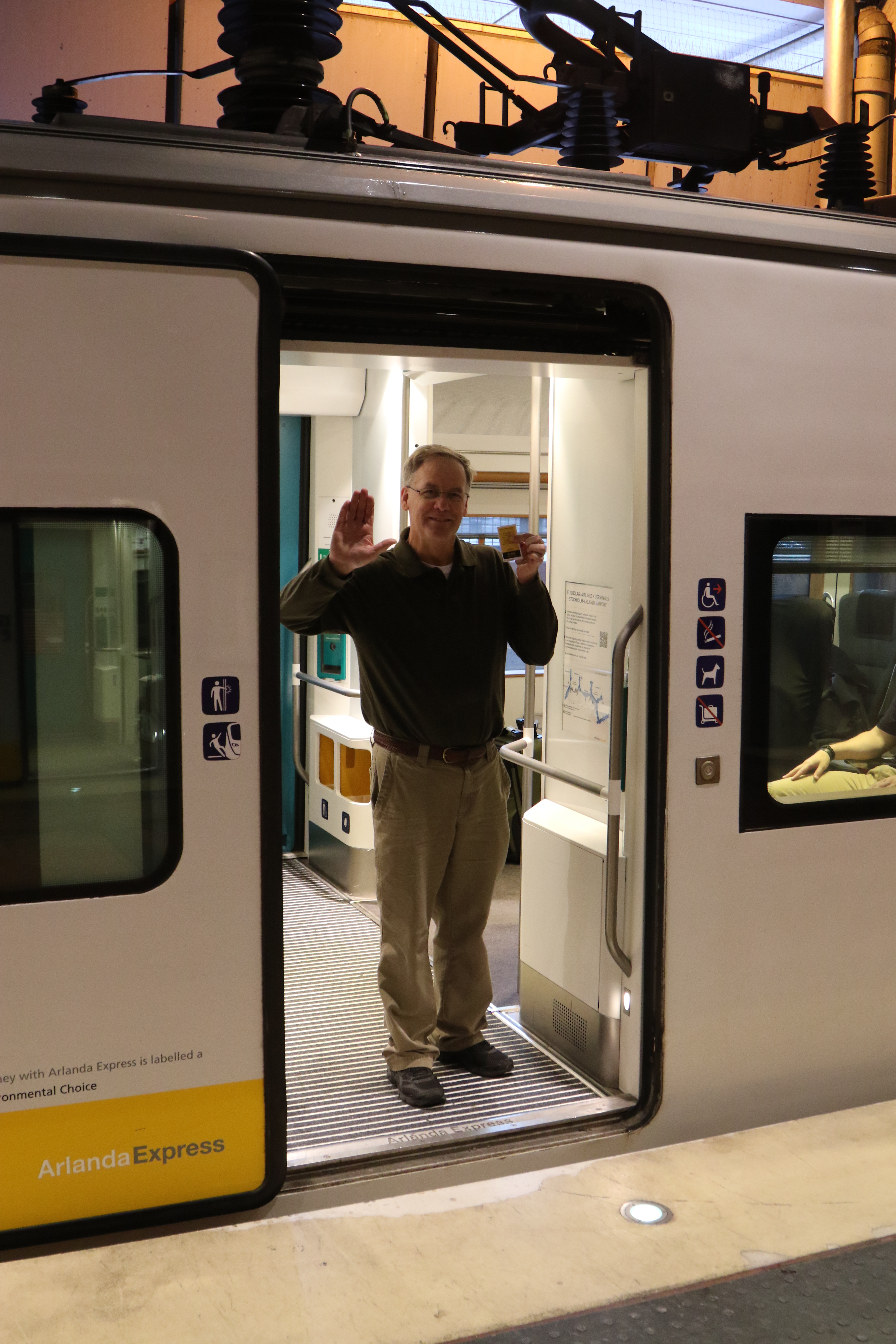
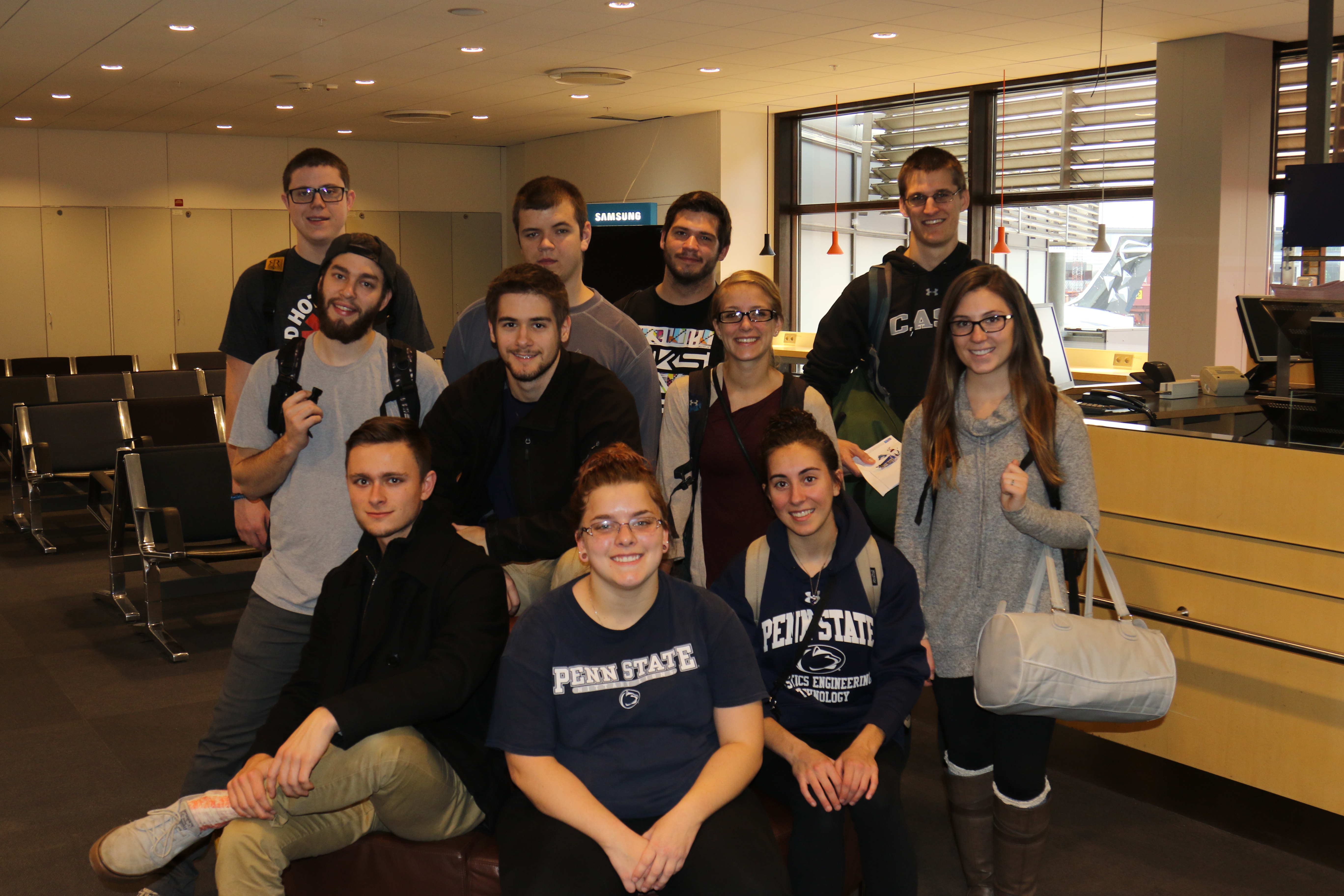
We ended our final day in Stockholm with a group breakfast at our hostel before hauling our luggage and souvenirs to the train station for the last time. After arriving at the airport, we chose to spend the last few hours reminiscing on our experiences as we browsed through each other’s pictures. Though we all enjoyed our time traveling overseas, by the last day we were glad to be on our way home so that we could share the stories of our experiences with our friends and family.

4Q7A8612

4Q7A8645

4Q7A8643  4Q7A8653

Women in History Month: Meet Mildred Doherty

By Chris Palattella Public relations coordinator, Penn State Behrend

In recognition of Women’s History Month, we’d like to introduce you to just a few of the dynamic women in Penn State Behrend’s history.  Our college has a rich history of leadership and involvement by strong, forward thinking, and generous women. Each Monday in March, we’ll highlight a woman who has made, or is currently making, her mark on the college.

Today, we’d like you to meet Mildred Doherty, our first female engineering faculty member.  

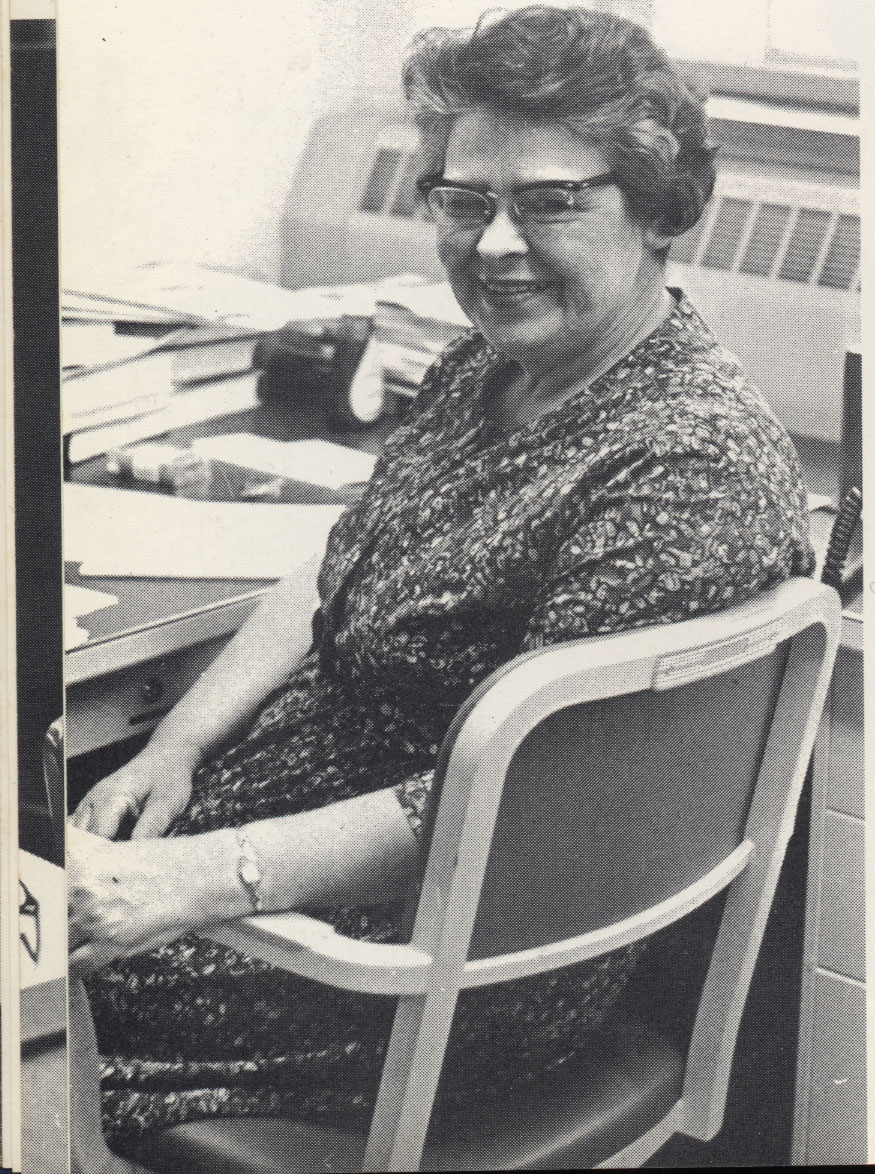
Mildred 1963

Mildred Doherty, 1963

The first female member of Penn State Behrend’s engineering faculty is remembered as a gregarious Renaissance woman with many interests, chief among them a deep affection for her Irish heritage.

In 1960, Mildred Doherty—“Mid” to her friends— arrived on a campus so thinly staffed that the infirmary nurse doubled as the bookstore manager. Doherty brought a unique skill set for a woman of her generation, having worked as a technical writer, a civilian supervisor for the U.S. Air Force, and as head of the U.S. Signal Corps’ examination and evaluation section for radar operations. But gender wasn’t an issue, according to a faculty colleague. “No one was concerned that she was a woman teaching engineering, because Mid laid down the law for her students,” Ed Masteller, professor of biology emeritus, said. “I think that was her military background. She had specific expectations about the way things should be done.”

Doherty’s all-business comportment must have been contained within Otto Behrend Science, because among her contemporaries she is universally remembered for her infectious sense of merriment, passion for travel and genealogy, and can-do attitude.  “My husband and I loved her because she was a fun girl, a really fun girl,” says retired physical education instructor Irene Edwards. “She was so interesting, and just a delight to be around.”

Although Doherty lived in a small Behrend family-era cabin near what is now Lilley Library during the week, she entertained at her home in Centerville, a farmhouse originally owned by her Irish grandparents. Masteller and his wife, Marianna, would make the trip to Crawford County for picnics, potlucks, and book clubs; Mary Turner, a distant cousin of Doherty’s, says she vividly remembers a summer party that ended in fireworks.

Doherty’s annual St. Patrick’s Day celebration would start with Mass at Immaculate Conception Church of Mageetown. (Doherty’s mother’s family, the Magees, had founded both the church and community.) After that came the ‘tin band,’ a boisterous parade of revelers who walked back to Doherty’s home for dinner and Irish coffee. “We’d march with kettles and spoons, banging and making noise and having a great time,” Edwards says.

After her retirement, Doherty’s passions were traveling to visit family and friends and researching the genealogy of the Doherty and Magee families. She created a small museum space within Immaculate Conception to display artifacts related to the area’s early Irish Roman Catholic settlers and  cataloged and mapped the graves in the church’s cemetery, where she was buried following her death in April  1985.

More About Mildred

Born: October 7, 1909, in Franklin.

Education: 1926 graduate of Oil City High School; 1932 graduate of Saint Xavier College (now University) in Chicago with a B.S. in mathematics and minors in chemistry and physics.

According to Irene Edwards, Doherty said she was able to attend college only because of significant scholarship support. “She would take the bus back and forth from Oil City to Chicago. I remember her very funny stories about that. It was always an adventure, but then she was an adventurous critter.”

Continuing education: Also studied at St. Louis University, Grove City College, Clarion University, and the University of Houston.

Career detour: Doherty left the U.S. Signal Corps to care for her aging parents. During that time she worked as the librarian at Titusville High School.

A word from her niece: “Aunt Mid was the one person—and I’ve never met another person like her—who never said anything bad about anybody,” says Nancy Cotter, daughter of Mildred’s sister Margaret. “Never negative. No gossip. That was something I really admired about her.”

A warm send-off: For her retirement in 1970, Doherty’s Behrend colleagues bought her Centerville home’s first furnace. She threw a furnace-warming party and had all the guests sign their name on the unit.

Behrend student returns to regional Science Olympiad as a judge

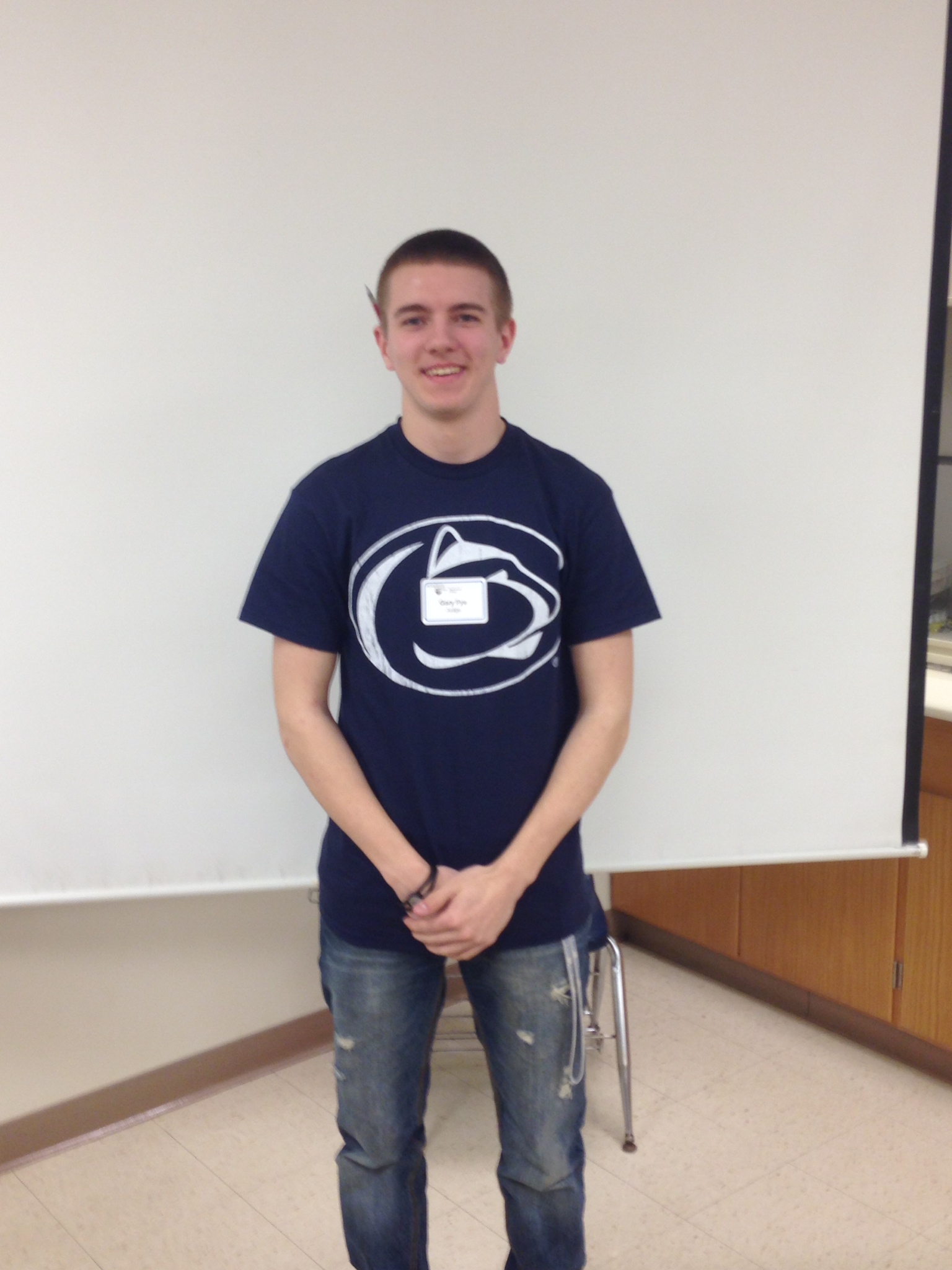
Fye1

By Steve Orbanek
Marketing Communications Specialist, Penn State Behrend

One of the Science Olympiad’s stated goals is “to create a passion for learning science.” If the organization is looking for an ambassador, it need not look any further than Gary Fye.

Fye, a first-year Biomedical Engineering major at Penn State Erie, The Behrend College, was a volunteer judge at the regional Science Olympiad held at Behrend this March.

More than 400 students from thirty-three area school districts competed in forty-six science-related events. Among the participating schools was North Clarion High School, which happens to be Fye’s high school alma mater.

From grades seven through twelve, Fye participated in the Science Olympiad. In fact, he took first place in at least one event every year but ninth grade.

“The time just never seemed to last long enough,” Fye said. “It was something I really, really enjoyed.”

That enjoyment is still present today. Although Fye was at home in Leeper, Pa., for spring break, he traveled on a bus with his former high school just so he could volunteer his time at the Science Olympiad.

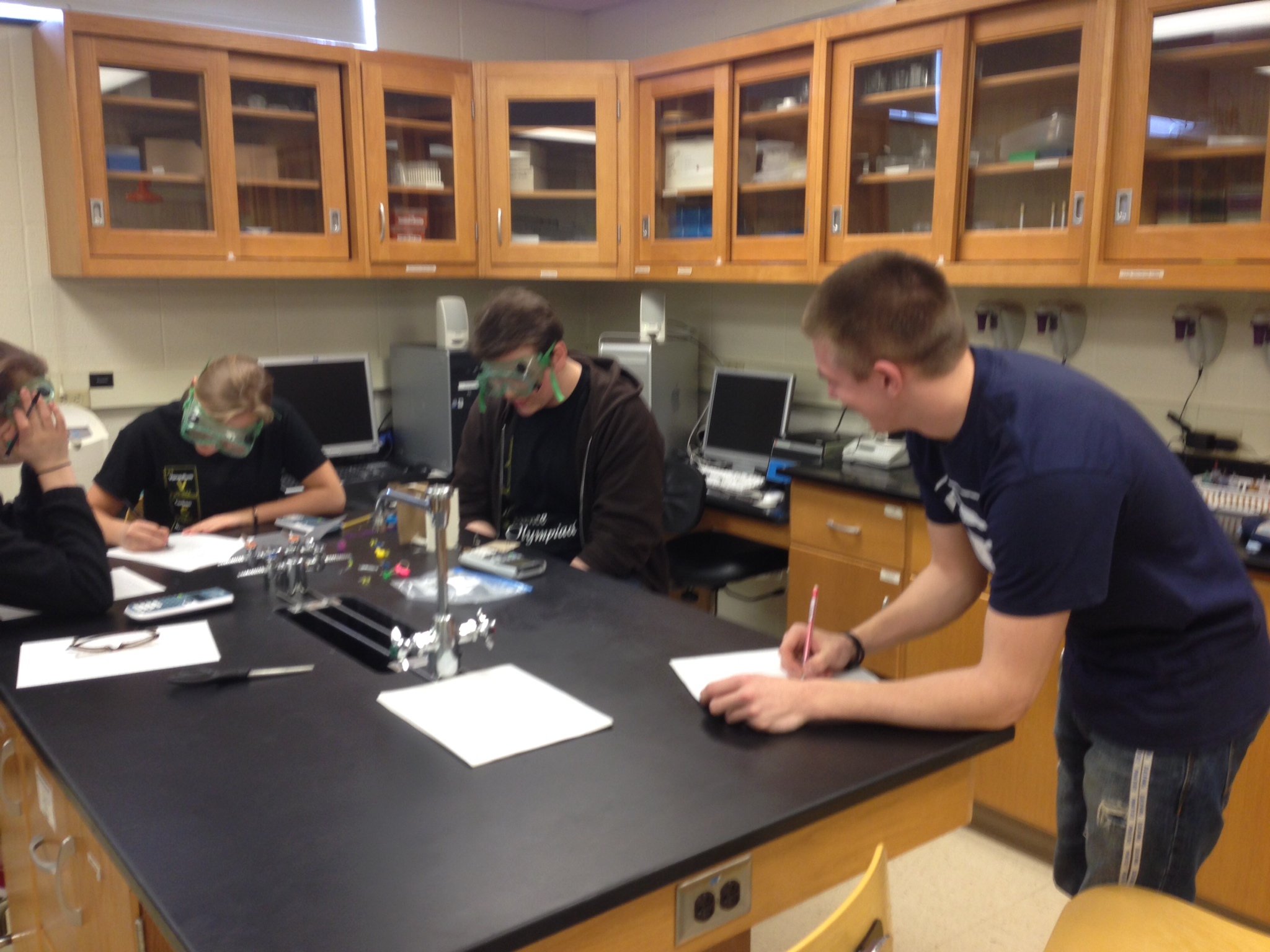
Experimental Design, the event Fye judged, had participants experiment with a springboard and then propose a hypothesis based on that experiment. Experiments like this are what helped pique Fye’s interest in science and engineering years ago.

“It broadens your horizons. You really get a feel for lab work,” he said.

After attending his first Science Olympiad, Fye’s interest in science only grew. In middle school and early high school, he was appropriately nicknamed “Gary Fye the Science Guy.” The name referred to Fye’s love of science, but it was also a word play on Bill Nye, who was the host of the popular PBS children’s show “Bill Nye the Science Guy.” Fye also happened to be a big fan of Nye, which made the nickname an even better fit.

The Science Olympiad influenced Fye in another way as well. The event exposed him to Penn State Behrend.

“I would actually put that as one of the number one reasons as to why I’m here at Behrend,” Fye said. “It definitely introduced me to engineering concepts.”

So far, Behrend has been a good fit.

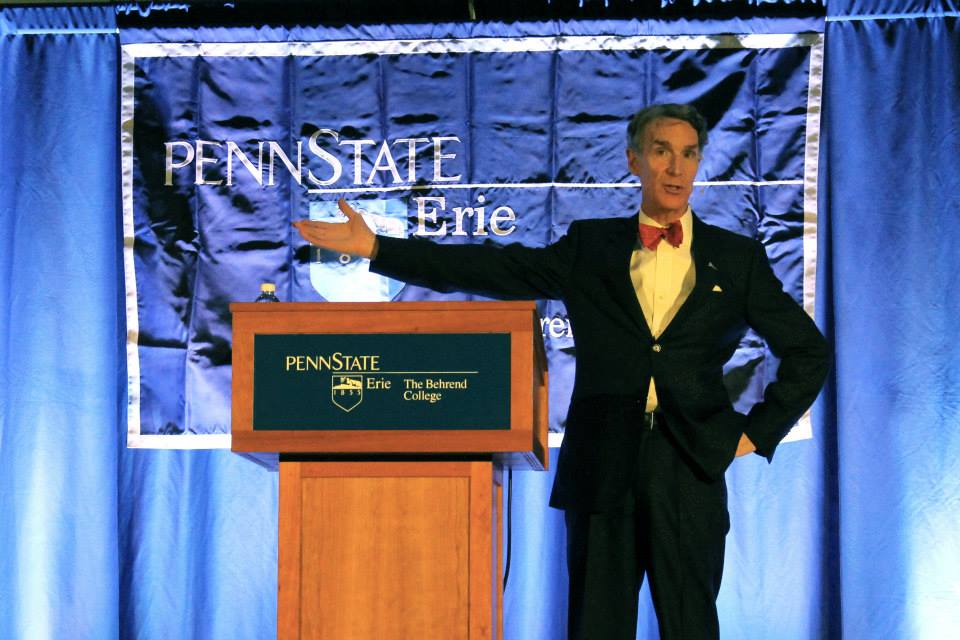
Earlier this winter, Nye visited Behrend as part of the college’s Speaker Series. Given his natural love of science and interest in the Science Guy, Fye was more than a little excited when he heard the news.

“I sat in the front row,” he said with a smile.

Fye2

Bill Nye the Science Guy draws large crowd at Penn State Behrend

1621677_10153787859690220_1918157378_n

By Steve Orbanek
Marketing Communications Specialist, Penn State Behrend

Vee Butler was in search of a draw. She needed to find a speaker capable of filling the house.

“I just saw (Bill Nye’s) name and I thought, ‘What do ’90s kids like more than bonding with other ’90s kids about ’90s things?’ It seemed perfect,” said Butler, a junior arts administration major and executive director of the Lion Entertainment Board at Penn State Erie, The Behrend College.

A jam-packed, standing-room only crowd of almost 2,000 squeezed into Junker Center at Penn State Behrend Wednesday evening to watch Nye as part of the college’s Speaker Series. Nye hoped to inspire students to change the world, but it’s clear he’s already done his fair share of inspiring.

It’s been 15 years since a new episode of the PBS television show “Bill Nye the Science Guy” has been produced, but the effects of the show are still evident today.

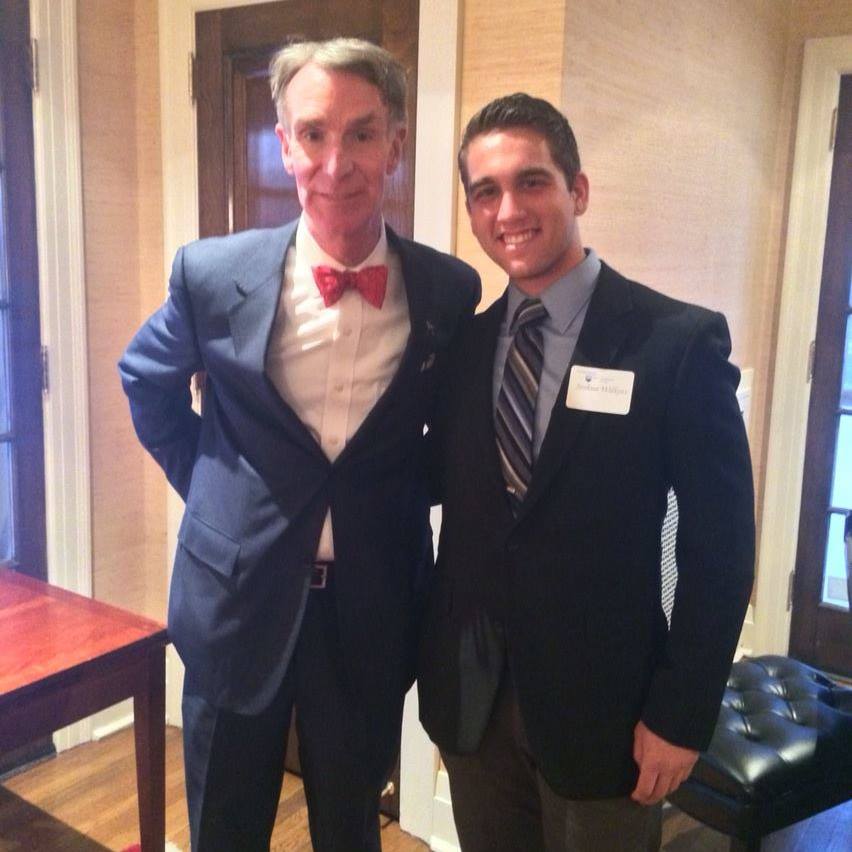
Sophomore chemistry major Joshua Wilkins said Nye’s show actually inspired him to pursue a science degree. He was more than a little excited when he heard that Nye would be visiting Behrend.

“Ever since I found out he was coming, it’s been in the back of my mind,” Wilkins said. “It’s been a highlight of my year.”

1535647_739006496109770_1947840122_n

Wilkins said “Bill Nye the Science Guy” is one of his most cherished memories from the sixth grade. He recalled struggling to get through science class, but things always became bearable once the teacher popped a “Bill Nye the Science Guy” tape in the VCR.

“He made science funny. We could all feel his enthusiasm, and he was always the guy we wanted to see because he took us away from the traditional classroom setting,” Wilkins said.

Junior project and supply chain management major Chad Muscarella agreed.

“From his television show to the experiments to the ride at Walt Disney World, I remember it all,” Muscarella said. “He was always making education fun.”

In its five-plus year run on PBS, “Bill Nye the Science Guy” won 18 Emmy Awards and continues to be used in classrooms for educational purposes. An attraction at Walt Disney World’s Future World at Epcot, Universe of Energy, is based on the program. Nye also has written five books under “The Science Guy” moniker.

Zany phrases, wacky experiments and quirky music were par for the course on “Bill Nye the Science Guy,” which is one reason Nye believes it continues to be successful.

“This is an extraordinary claim, and I do not have extraordinary proof of this, but there’s a lot of entertainment there,” Nye said. “The show was information-packed and fun to watch.”

However, even Nye is at a loss for words when he hears of how the show has inspired lives.

“I say all the time that I don’t think I get it,” Nye said. “People come to me and say, ‘You’re the reason I became an engineer. You’re the reason I’m a scientist,’ and I’m like, ‘What?’ It amazes me.”