
By Heather Cass, Publications Manager, Penn State Behrend
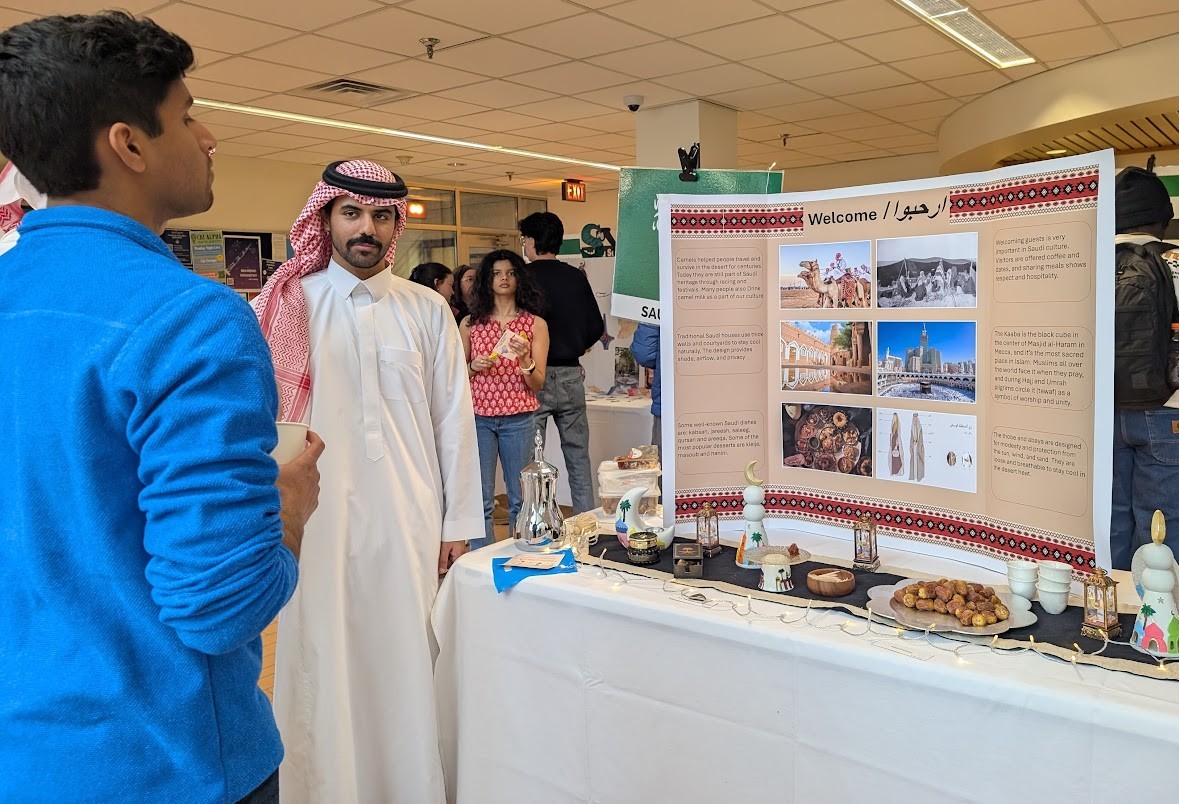
One of the first things I learned at the Penn State Behrend Culture Fair is that hospitality is serious business in Saudi Arabia — and I experienced it almost immediately. In Saudi culture, welcoming guests isn’t just a polite gesture; it’s a point of pride, often described as part of the very “DNA” of the country. Visitors are traditionally greeted with Arabic coffee and dates, a pairing that symbolizes warmth, generosity, and respect.
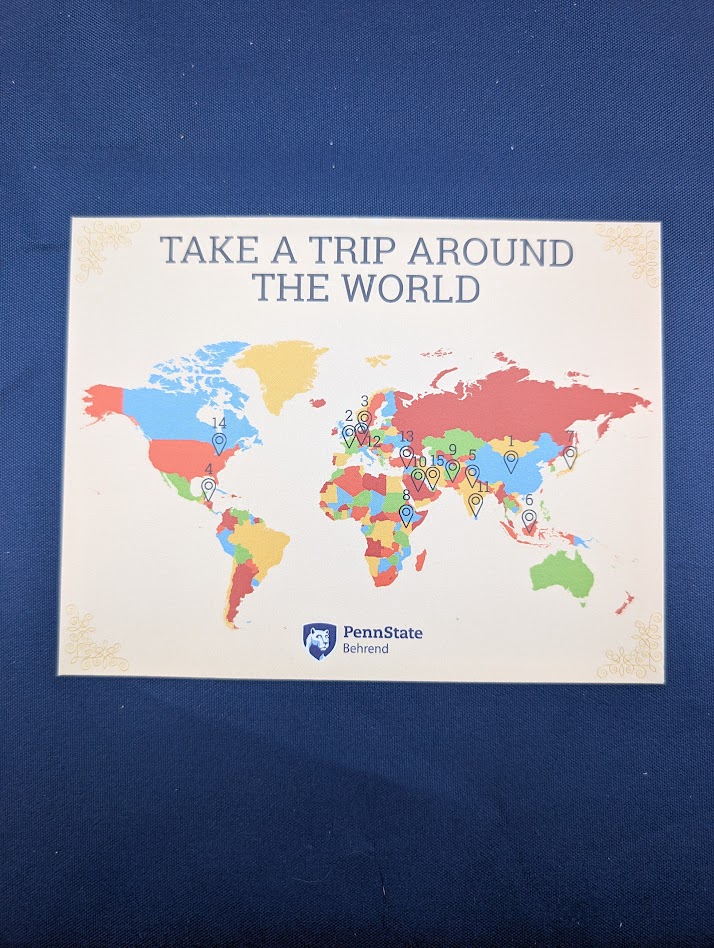
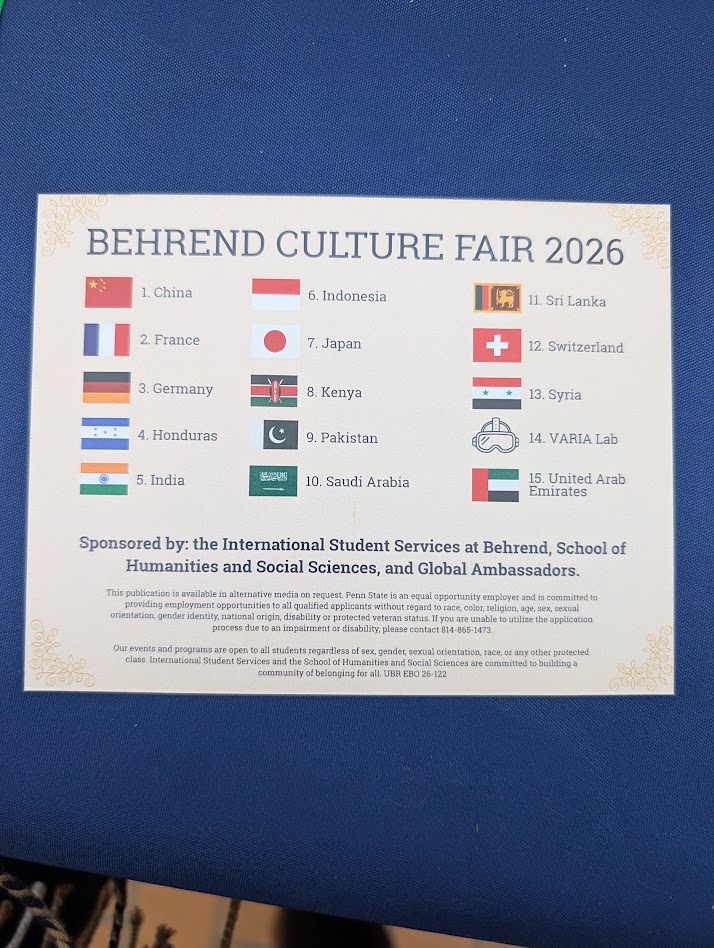
So, when I approached the Saudi Arabia table, one of fourteen, at yesterday’s Culture Fair, I barely had time to take in the display before students dressed in traditional white thobes and red‑and‑white head coverings welcomed me with that same spirit of hospitality. They offered Gahwa, a spiced Arabic coffee infused with cardamom, cloves, and saffron, along with soft, caramel‑like Medjool and Khalas dates, a staple of Gulf welcome traditions. It was a delicious introduction to the afternoon and a perfect reminder of how meaningful cultural traditions can feel when shared person to person.
Here are five more interesting things I learned while I “took a trip around the world” in McGarvey Commons — happily gathering international snacks and fascinating facts along the way:
Sri Lanka: Tea isn’t just a drink; it’s an identity. Sri Lankans take it seriously. It’s the country’s top export, and Lipton Tea traces its roots back there.
Mecca: The Kaaba — the black cube at the center of Masjid al‑Haram — is the most sacred site in Islam, and Muslims around the world face it during prayer.
Germany: Neuschwanstein Castle, tucked into the Bavarian Alps, inspired Disney’s Sleeping Beauty Castle. King Ludwig II really earned that “Fairy‑tale King” nickname.
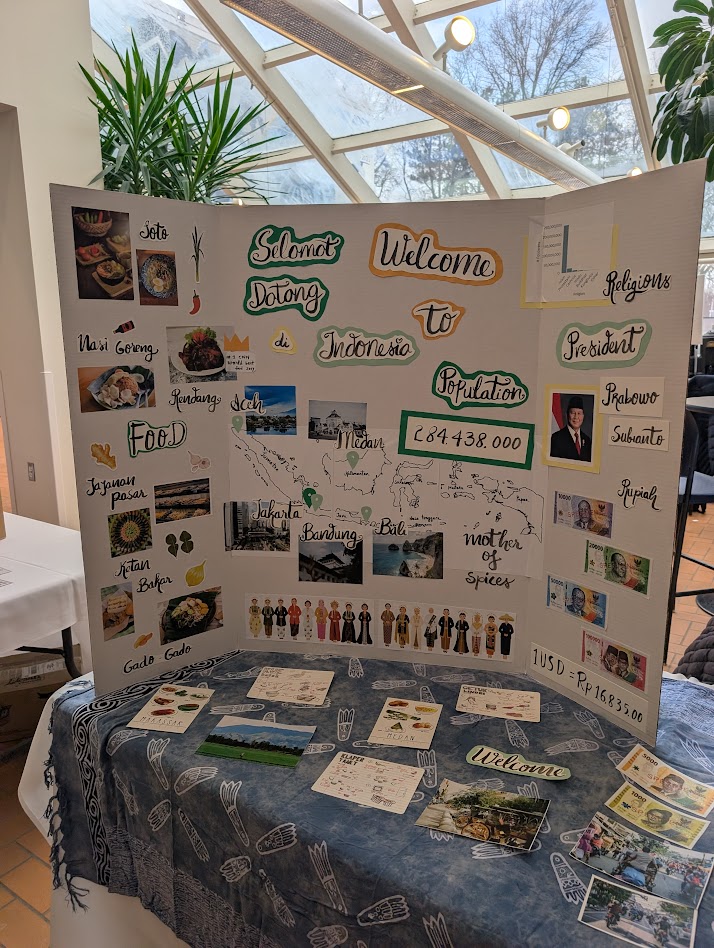
Indonesia: This stunningly beautiful country is called the “Mother of Spices,” thanks to volcanic soil that produces nutmeg, cloves, pepper, and more.
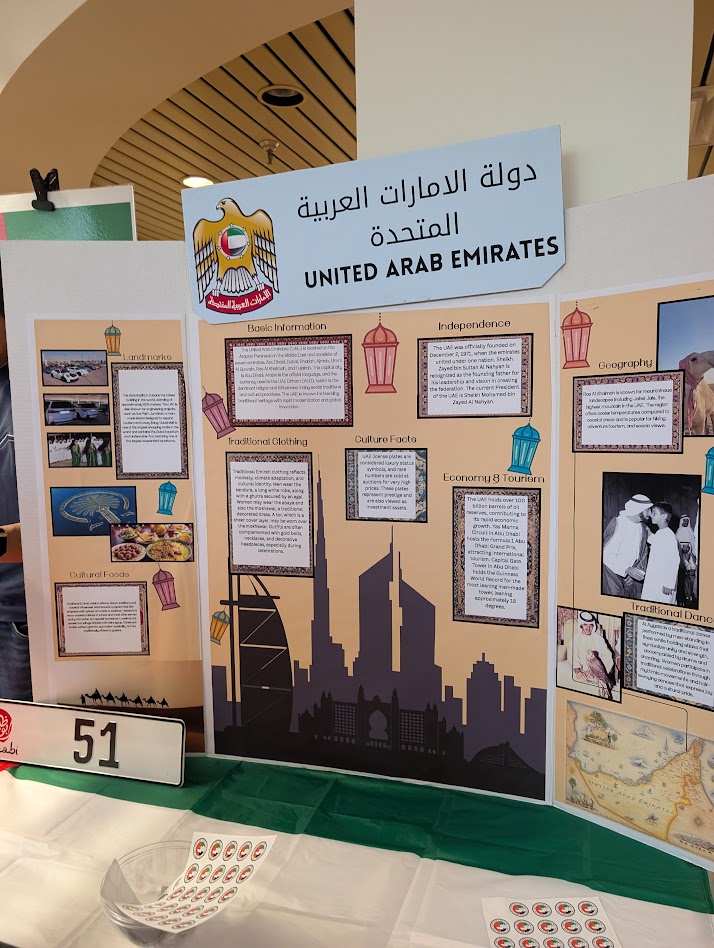
United Arab Emirates: License plates can be luxury items and symbols of tremendous wealth. Single‑digit plates (like “P7” which sold for nearly $15 million USD in 2023) are often pricier than the supercars they’re attached to.
These were just a few of the stories and facts our students, faculty, and staff shared — each one a reminder of how much of the world is already right here with us on campus.
Events like the Culture Fair show that learning doesn’t only happen in classrooms. It happens in conversations, in shared traditions, in the foods we taste, and in the stories we exchange. Behrend is fortunate to be a campus where so many cultures meet, teach, and celebrate together.
I left McGarvey Commons with a full stomach, a handful of new rabbit holes to dive into on Google, and the distinct feeling that I’d only scratched the surface. That’s kind of the point — and exactly why events like this matter.


 BEHREND BLOG