Marketing alum finds calling with Make-A-Wish Foundation

Penn State Behrend alumna Melissa Lichtinger works as online communication manager for Make-A-Wish International but also volunteers for the organization. The first wish she granted was for Lucas, who suffers from lung disease, cerebral palsy and can only communicate through non-verbal expression. A splash pad was installed in his backyard, so he would be able to play safely in water.

By Steve Orbanek
Marketing Communications Specialist, Penn State Behrend
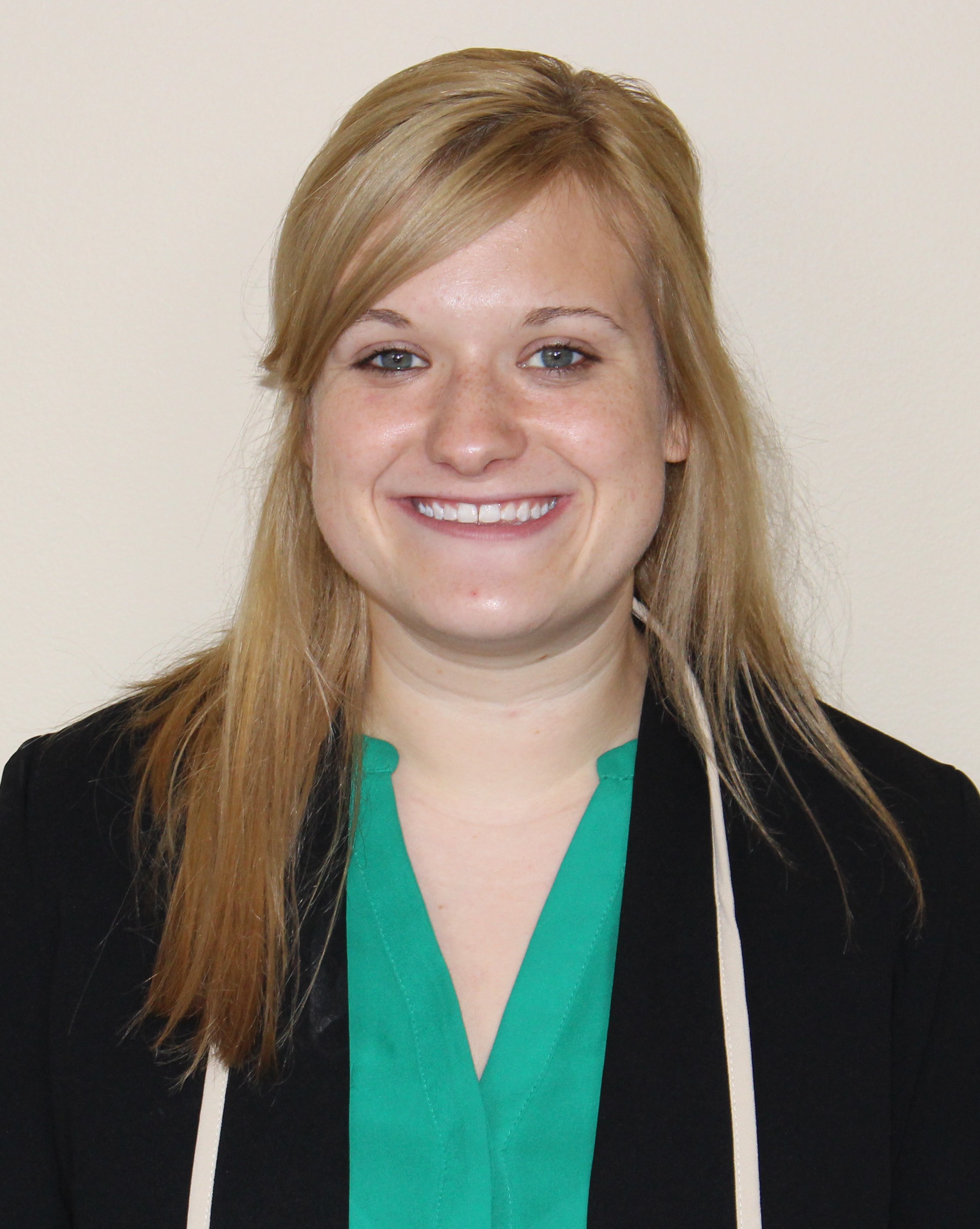
Melissa-Lichtinger_1Melissa Lichtinger no longer worries about life’s everyday stresses. Those concerns went away after she started to work for Make-A-Wish Foundation.

“Whenever life gets tough, I’ll just watch a wish story. It always instills positivity, and you realize that your day-to-day struggles are nothing compared to what these kids go through,” the 2013 Penn State Behrend graduate said.

Lichtinger, who earned degrees in marketing and international business, works as online communications manager for Make-A-Wish International, headquartered in Phoenix, Arizona. Every day, the Erie native works to manage the organization’s social media and website presence while being attentive to the needs of the 50 different countries in which Make-A-Wish operates.

Her commitment to the nonprofit’s mission is nothing new. While in college, Lichtinger got involved with Make-A-Wish thanks to the urging of her aunt, who was a volunteer, and interned in the organization’s Erie office.

“At my internship, I did a lot of the wish story writing, so it really connected me to the mission, and I had the chance to meet a lot of wish kids. It really changed my life and made me realize I wanted to work in this sector,” she said.

Lichtinger happened to be in luck. Following her college graduation, she was hired as a digital production coordinator for Make-A-Wish America before being promoted to digital production specialist. She was promoted to her current position last June.

However, while she enjoyed her work, something was missing. At the corporate office, Lichtinger often helps with managing the global brand, sponsorships and high-level tasks. It was time to get back to basics.

“I reached out to the local office here in Arizona, so I could start the process of (volunteering) and granting wishes. It was important to get back to the mission, and remind myself of why I wanted to get involved to begin with,” she said.

Her first wish granted was for Lucas, who suffers from lung disease, cerebral palsy and can only communicate through non-verbal expression. After speaking with his mother, Lichtinger learned that Lucas loves playing in the water, but it’s difficult for him to do so because he cannot be in the water without someone holding his head up.

His family and Lichtinger ultimately decided to install a splash pad in the family’s backyard for Lucas. Commonly seen in public parks, splash pads eliminate the risks of pools while still providing plenty of water fun as ground nozzles spray water upwards.

When he was introduced to the pad, Lucas immediately started to laugh and giggle, and Lichtinger was reminded why the Make-A-Wish cause resonates with her so much.

“You get to take a kid who doesn’t get to be a kid right now, and you get to help them imagine something that they never thought was possible. You get to see the transformation where they become a little kid again,” she said.

Lichtinger is currently in the process of planning an additional two wishes. She knows her career path may one day change, but she wants to continue to make a difference in the nonprofit sector.

She also remains very thankful for all the knowledge she gained from her time at Behrend.

“I am a driven person, but Behrend instilled all of the steps of how to get there while giving me an opportunity to work with professors who really care about your success. My international business degree and the projects I worked on is what really helped me get this job,” she said. “I still talk to my marketing professors today, and they still help me if I have questions or need advice. They’re my mentors, not just for those four years, but they’re my mentors through life.”

Ho, ho, holiday reading suggestions

canstockphoto11874143

By Heather Cass
Publications & Design Coordinator, Penn State Behrend

Season’s greetings, everyone!

’tis the season to kick back under the glow of holiday lights and indulge in a little pleasure reading (You know, instead of all the under-pressure reading you do for your classes!).

Traveling for the holidays? No problem…download an audio book to your Smartphone or mobile device.

Ah…but what to read/listen to? We went straight to some of the biggest book lovers on campus — Lilley library staff members and Creative Writing faculty members.  Here are the tomes they suggested:

“I just finished reading, Flash, The Homeless Donkey Who Taught Me about Life, Faith, and Second Chances by Rachel Anne Ridge. It contains awesome messages that would benefit all who read it.” — Patti Mrozowski, information resources and services support specialist

“I’ve been listening to Olive Kitteridge in the car and it is remarkably good. I had watched the miniseries but, of course, the book is always better because the author can explain what she is feeling and thinking, and the reasons she acts the way that she does.”   — Jane Ingold, associate librarian

“I just finished Me Before You by JoJo Moyes and loved it! I enjoy books and movies about love, and I especially like ones that make me cry. So, when I saw a review on the back cover that said, “to be devoured like candy, between tears,” I knew I wanted to read it. Essentially, it’s about a woman who is hired to spend time with a depressed, quadriplegic man. The story makes you consider two sides of a very controversial topic that I won’t mention for risk of spoiling the book. I saw recently that it will be made into a movie starring Emilia Clarke (Game of Thrones) and Sam Claflin (The Hunger Games). I just started the sequel, After You.” — Stephanie Diaz, reference and instruction librarian

“This book isn’t brand new, but Col. Chris Hadfield’s An Astronaut’s Guide to Life on Earth is excellent. It contains lots of interesting, but understandable science and advice on how to turn use those lessons here on Earth.” —Russ Hall, associate librarian

“I really loved Is Everyone Hanging Out Without Me? (And Other Concerns) by  Mindy Kaling. It’s a very funny memoir in which she writes about her time writing and acting for The Office (a show I loved), romance, Hollywood, friendship, Matt Damon, and Ben Affleck. She is very relatable, and she made me laugh out loud!” — Stephanie Diaz, reference and instruction librarian

“Two of our creative writing alumni have amazing new books out. Both Corey Zeller’s You and Other Pieces (Civil Coping Mechanisms, 2015) and Heather Slomski’s The Lovers Set Down Their Spoons (Iowa UP, 2015) are formally innovative—both writers experiment a bit in terms of how stories get told—but these books also do what readers have always wanted books to do. They expose and celebrate the mysteries of love and loss, pain and renewal.” — Dr. Tom Noyes, associate professor of English and Creative Writing

“I love anything by Philippa Gregory, an English historical novelist. This time of year, though, I like to read Christmas books. Last year I read a fun, off-the-wall book — Christmas at the Mysterious Bookshop by Otto Penzler.  Richard Paul Evans, author of The Christmas Box, has written a few other  Christmas-themed books, too.” — Lisa Moyer, information resources and service supervisor – manager

Tips for Book Lovers

If, like me, you always forget which books friends have recommended, try one of these strategies:

1. Make a list on your Smartphone using a “note” application and you’ll always have your list with you when you’re browsing at the Lilley Library or out shopping.

Or…

2. Create a wish list at an online bookseller (I use Amazon) and add titles to your “to read” list when friends recommend them. It’s a convenient and easily-accessible way to keep track of books you want to read. (Tip: See if you can borrow the book through the Lilley Library before you purchase. I’m linking the books below to Amazon just so you can see the


Recommended gift ideas from faculty and staff members

By Steve Orbanek
Marketing Communications Specialist, Penn State Behrend

Still got some holiday shopping left to do? Don’t worry, Penn State Behrend’s faculty and staff members have you covered. Here are some of their top suggestions for gifts that are both fun and educational.

irkt_marvel_gotg_holiday_dancing_groot

Ideas provided by Tracy Halmi, senior lecturer in chemistry

  • Weather station. Any future meteorologists on your gift list? This is perfect as it accurately measures the temperature, humidity, and wind speed. $100.
  • Elements: A Visual Exploration of Every Known Atom in the Universe. This book offers never-before-seen photographic representations of the 118 elements in the periodic table. We’re all familiar with aluminum and copper, but what exactly does Copernicium look like? This book will show you. $15.
  • ThinkGeek products. Whether it’s Marvel, Minecraft or the Millennium Falcon, everyone knows geek is the new cool. This website offers items that will surely satisfy any “geek” on your gift list. Various prices.

k2-_4c7fc749-3b72-4ff1-9ce5-bd9f911e1cc5_v1

Ideas provided by Dr. Richard Zhao, lecturer in computer science and software engineering

  • Custom photo jigsaw puzzle. It never hurts to give a gift with a personal touch, and jigsaw puzzles can be a fun, challenging task. $14.
  • LEGO Star Wars. The new movie is right around the corner, so anything Star Wars is guaranteed to be a hot item this holiday season. However, why not inspire a little creativity with a LEGO Star Wars set? There’s one available in every price range. Various prices.
  • Make-Your-Own Robots. Thanks to Makershed.com, you can choose from a number of options and create your own small robot from scratch. $20-$500.

61ZhXMb3yRL__SL1280_

Ideas provided by Melanie Ford, director of Youth Education Outreach

  • Blink Blink DIY kits. These kits are perfect for girls interested in any of the STEAM fields as they integrate art, fashion, simple circuits, and e-textiles into the hands-on building process. Kids can create a number of fun items, including cards, paper lamps, origami, scarves, and light-up leggings. $39-$89.
  • Makey Makey. Dubbed the “Invention Kit for Everyone,” Makey Makey makes it possible to connect a computer to almost any object. It could be a banana, an ice cube or a living person, but basically any material that can conduct at least a tiny bit of electricity can be used. $50.
  • K’Nex. These are similar to LEGOs but a bit more advanced. K’Nex really emphasize engineering and physics principles, allowing the builder to create some pretty awesome things like roller coasters and Ferris wheels. Various prices.

61DETogR+IL

Idea provided by Dr. Mary Ellen Madigan, director of enrollment management

  • Adult Coloring Books. Have someone on your gift list who is always stressed-out? Adult Coloring Books  are an Amazon No. 1 National Bestseller, and provide hours and hours of stress relief, mindful calm, and fun, creative expression. $9.

Makers Engineer Ornaments, Fun

20151209_215318

By Heather Cass
Publications & Design Coordinator, Penn State Behrend

The upcoming holiday season offers the perfect distraction for stressed-out students. In this last week of classes, we found plenty of holiday cramming going on with every area from Housing and Food Services to Student Activities to the School of Engineering fitting in some festive merrymaking before things get serious with Finals Week next week.

Wednesday evening, a dozen students gathered in an electrical lab in Burke 145 to munch holiday treats and craft acrylic LED ornaments with Dr. Chris Coulston, associate professor of electrical and computer engineering.

Students first drew snowflakes on computers using CorelDraw and added any text they wanted before sending their creations to the laser printer to be cut out of acrylic. Then, they used soldering irons, wire, LED lights, and batteries to make their snowflakes glow.

Though the Makers group meets fairly regularly, Coulston refrains from calling it a club.

“It’s more like a gathering of like-minded makers,” he says. “I just invite students to show up and make something. It gives them an opportunity to try some of the tools we have, like the laser cutter and soldering equipment.”

Ultimately, though, it’s about encouraging critical thinking and creativity, which are key concepts for engineering students to grasp.

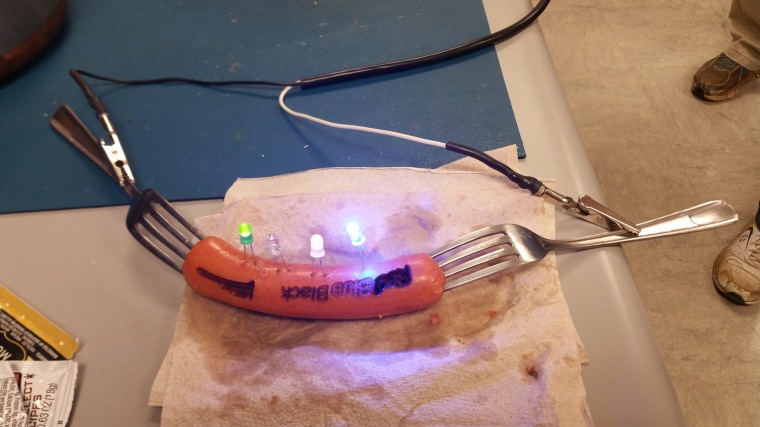
“We try to come up with things that challenge them or make them look at things in a slightly different way,” Coulston said. “For instance, before Thanksgiving, we made LED hot dogs. Who’d have thought you could light up a hot dog?”

dog

While there may be no practical application for glowing frankfurters, there is certainly a demand for people with the creativity, technological skills, and theoretical knowledge to use ordinary objects in a truly unique way.

While the majority of those who attend Coulston’s Maker gatherings are engineering students, he welcomes all students and faculty members.

“I’d love to have some artists and scientists join us, too,” he said. “The more, the merrier. They’d probably have some really cool ideas.”

Coulston brought a special guest to Wednesday’s gathering, his pug, Shiloh, dressed in her holiday best.

“Anyone can get a picture with Santa, but where else can you get a photo with Santa Pug?” he says with a smile.

Just like an engineer, always looking to improve the original product.

This slideshow requires JavaScript.

Pre-Health students sew first stitches in medical career

By Heather Cass
Publications & Design Coordinator, Penn State Behrend

IMG_1133

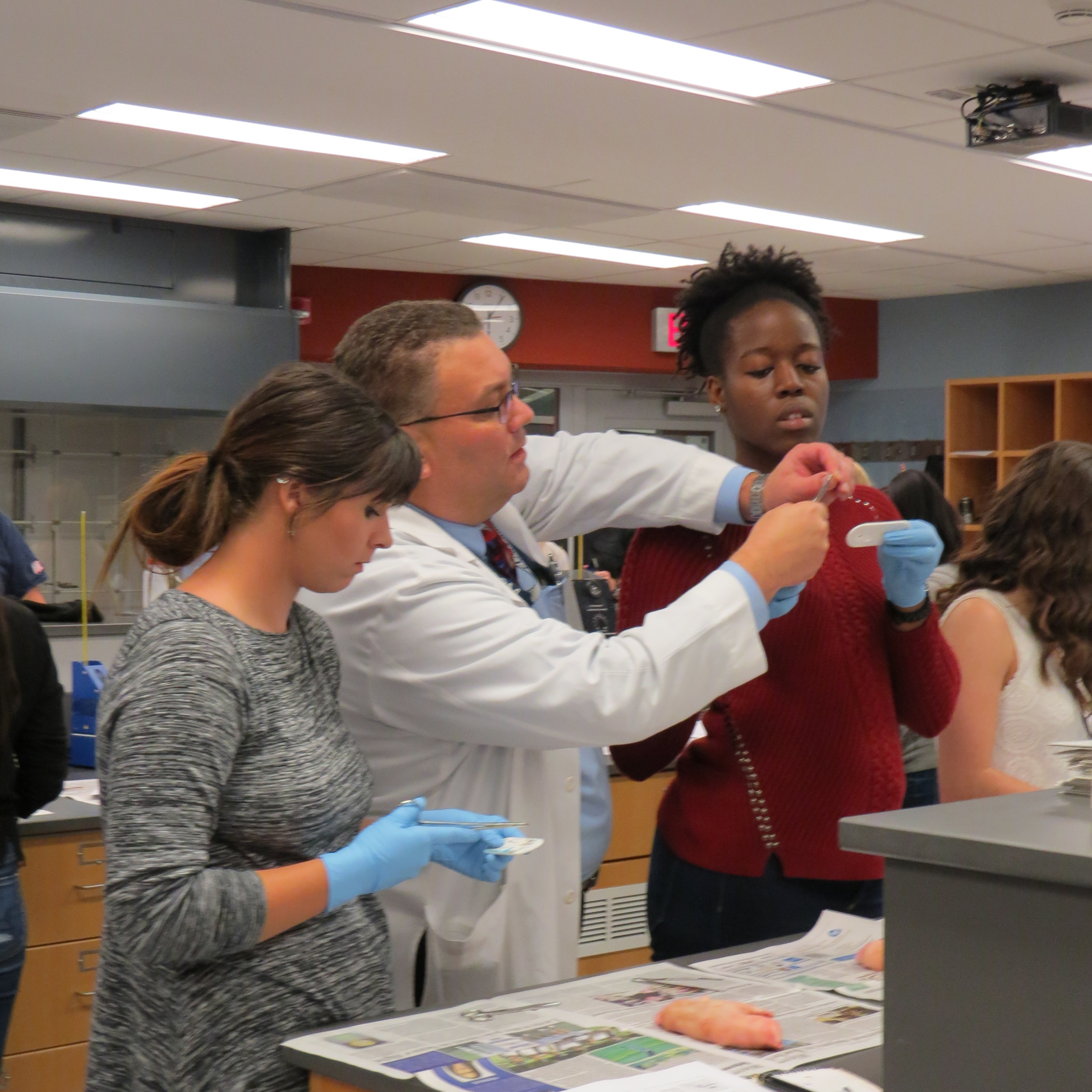
Suturing—sewing together incisions or torn flesh—is a basic technique every doctor must master. It is, however, a skill that few undergraduate students have the opportunity to practice before entering medical school. But, thanks to the U.S. Army and Penn State Behrend’s Pre-Health Professions program, nearly thirty undergraduate students from four area universities were able to try their hand at three types of basic stitches at a suturing seminar earlier this month.

The class, offered by the Army Health Care Recruiting office in Pittsburgh and held at Penn State Behrend, was taught by Dr. Regan Shabloski, assistant dean for clinical education at Lake Erie College of Osteopathic Medicine, and a member of the Army National Guard’s Medical Corps.

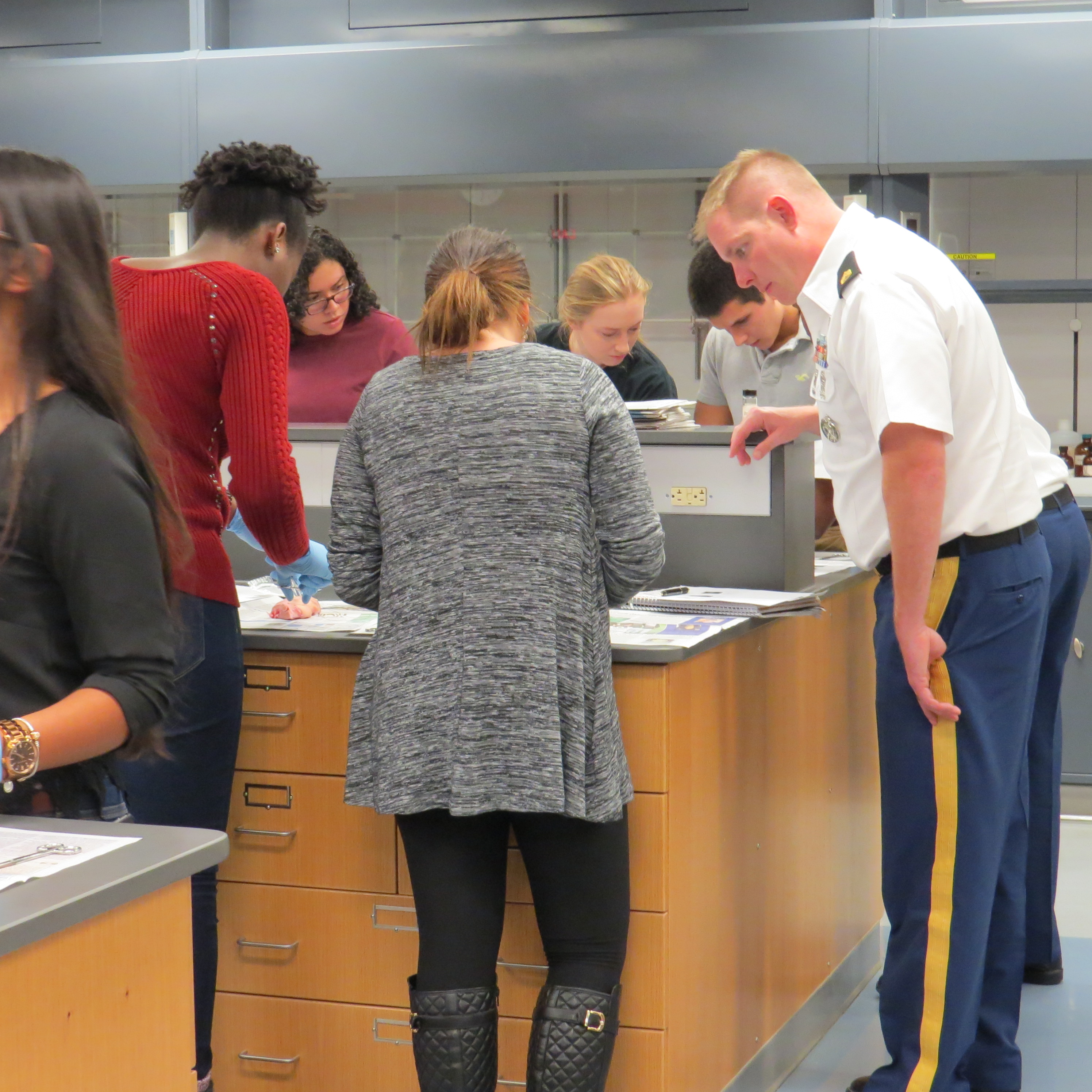
For two hours, students from Penn State Behrend, Allegheny College, Gannon University, and Mercyhurst University worked on severed pigs’ feet, practicing simple interrupted, running, and mattress stitches, using suturing kits provided by the Army.

IMG_1122

Shabloski taught students how to hold the tools, how to start and finish stitching, how to know which stitches to use, how to choose the proper sutures, and the importance of symmetrical sewing.

Straight, evenly spaced stitches are paramount for patients.

“Neatness counts,” Shabloski said as he moved around the room, peering over shoulders at the students’ work. “Suture scars are one of the most visible reminders of your work. Patients care deeply what their scars look like, even if they are in a place where nobody will ever see them.”

Staff Sgt. Benjamin Earle and Staff Sgt. Ricardo Grey, both Army medics, were on hand to assist Shabloski with training.

IMG_1128

The event was sponsored by the Army to bring attention to its Health Professions Scholarship Program, which provides tuition for up to four years of medical school to students pursuing an education at any accredited medical, dental, optometry, clinical or counseling psychology, or veterinary school, in exchange for a four-year commitment to working on an Army base after graduation.

“Students have to apply for this program before they enter medical school, and we were finding that many didn’t know about it until it was too late, so we’ve been making an effort to reach students at the undergraduate level and make them aware of the opportunities available to them through the Army,” Earle said.

Earle is quick to point out that being a doctor in the military does not necessarily mean working in a combat zone.

“We have Army bases all over the world, and on those bases, we have a tremendous need for all kinds of doctors for our soldiers and their families,” Earle said. “We need all the same doctors and specialists that are found in civilian life — OB/GYNs, pediatricians, general practitioners, dentists, and even veterinarians.”

Christina Hilaire, a junior Biology major who wants to be a doctor, participated in the suturing class and said the scholarship program is worth exploring.

“My mother was in the military, so I’ve thought about it,” Hilaire said.

“It is a pretty sweet deal for students inclined to spend a few years working at a military base,” said Dr. Michael Justik, associate professor of chemistry and chair for the Pre-Health Professions programs. Justik helped bring the suturing class to Behrend.

Among the perks? Full tuition paid directly to the medical school, a $20,000 signing bonus, a $2,000+ monthly living stipend, and health insurance, in addition to coverage of school-related expenses, including books, fees, and medical supplies.

It’s a deal that, according to Earle, only gets sweeter after graduation when the newly-minted doctors are admitted to the Army at the level of an officer.

“They are able to practice medicine at Army bases throughout the world without concerns about billing, overhead expenses, or malpractice premiums,” he said. “Many enjoy the lifestyle and stay in the service past their required commitment,” Earle said. “But, even if they don’t and they only put in their four years, we feel that’s a fair deal.”

The military recruits medical professionals in northwestern Pennsylvania because it’s rich in universities and medical facilities.

“Erie is a wonderful place to prepare for a medical career,” Justik said. “We have three hospitals in the area as well as LECOM, a top osteopathic medical school, all of which provide various learning opportunities for pre-health students.”

Here is what some of the students had to say about the suturing experience at Behrend:

  • “It was a fantastic event that helped solidify my career choice. I want to be a surgeon and the suturing class made me realize that it really is what I want to do for a living.” — Stephen Wells, a Penn State Behrend senior Biology major.
  • “It was really helpful to have Dr. Shabloski and the Army medics right there helping us and giving us tips. I took a similar suturing class in high school, but I learned some new and different techniques in this class.” —Thalia Soto, a Penn State Behrend sophomore majoring in Chemistry. Soto wants to be a pediatric surgeon.
  • “I really enjoyed it because it was an opportunity to do some hands-on learning, which is not often a part of the pre-med curriculum.” —Margaret Dunlop, a Penn State Behrend sophomore majoring in Psychology. Dunlop wants to be an orthopedic surgeon.
  • “The suturing class was a great learning experience in a fun, low-pressure setting. It was an excellent opportunity to do one of the many tasks that doctors and health professionals perform almost daily.” — Bethany Kelley, a Mercyhurst University sophomore Pre-Medical major. Kelley wants to be a physician assistant.

Click here for more information about Penn State Behrend’s Pre-Health Professions programs.

Click here or email Benjamin.d.earle2.mil@mail.mil for more information about the Army’s Health Professions Scholarship Program.

This slideshow requires JavaScript.

Behrend alumni lead textbook company’s transition to digital age

Totzke, Dauber Berlin (32)
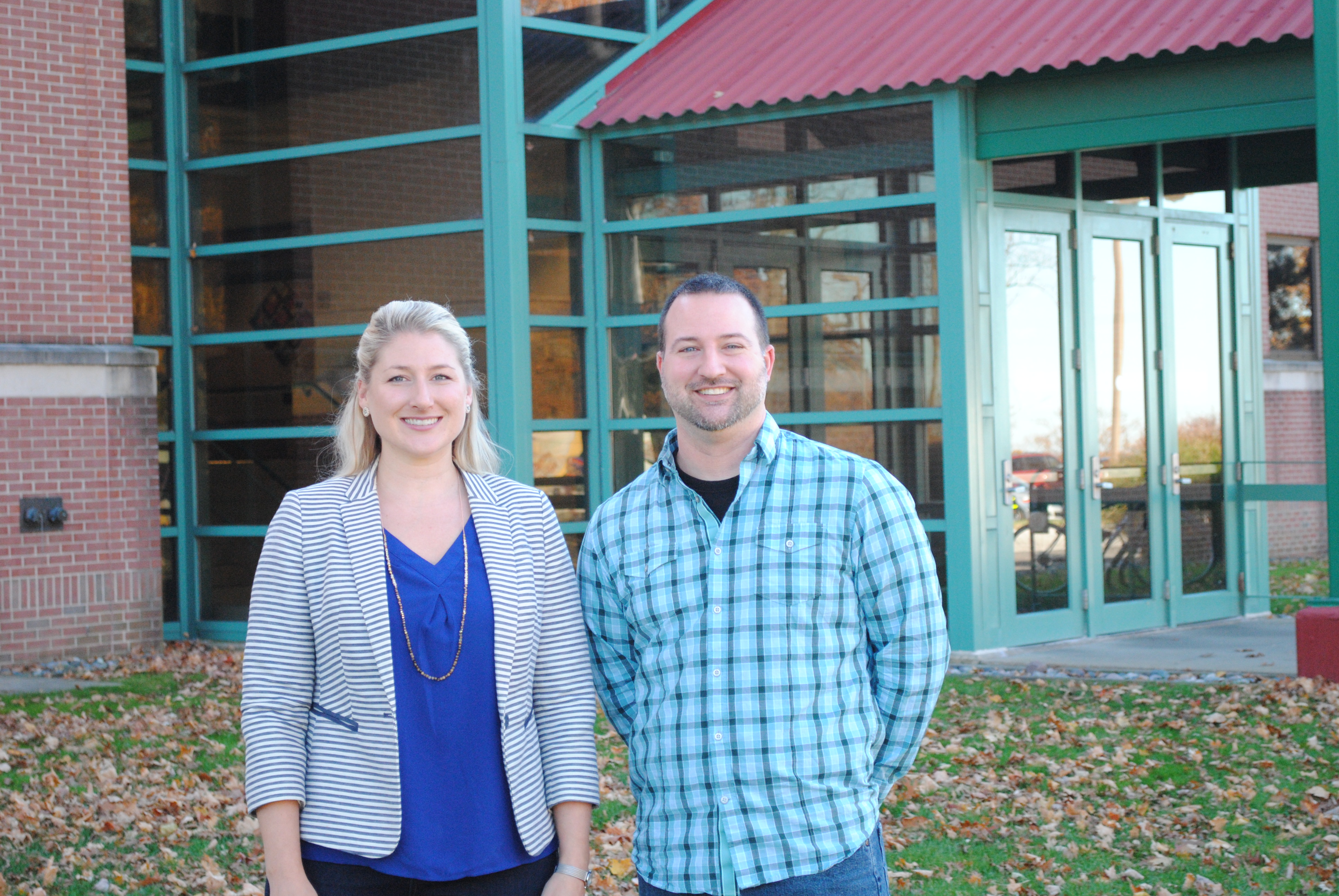
Behrend alumni Erika Dauber Berlin and Matthew Totzke are challenged with running a textbook company, Larson Texts, in the 21st century.

By Steve Orbanek
Marketing Communications Specialist, Penn State Behrend

In an age dominated by tablets and tweets, the prospect of running a textbook company might seem daunting. There’s nothing “textbook” about the operations of Larson Texts, however.

Technology has changed the game, but the Erie-based company has continued to adapt.

“The physical book is still valuable, but the way you get your hands on it is much different,” says Matthew Totzke, CEO of Larson Texts and a Penn State Behrend mathematics alumnus. “The technology now allows us to do a much better job of enhancing the learning experience.”

Larson Texts was founded more than 30 years ago by Ron Larson, then a professor of mathematics, now emeritus at Penn State Behrend. At the time, Larson was responding to what he saw as the need for more student-friendly math textbooks.

Today, the company produces math textbooks for sixth grade through college-level calculus classes that are used by more than five million students each year. Larson has also published textbooks for such well-known educational publishers as Cengage Learning, Houghton Mifflin Harcourt, Pearson, and W. H. Freeman and also publishes its own textbooks through Big Ideas Learning and AndYou.com.

Publishing a book, involves more than producing a physical textbook. With every college-level textbook that Larson Texts creates, the company also develops a fully-responsive companion website for all platforms: desktops, tablets and smartphones.

“We’re able to access so much more information than ever before. Now, we can really blend a great print book with strong digital content,” Totzke says.

That type of digital content featured on the companion sites includes worked-out proofs, instructional videos, rotatable graphs and downloadable data. All of these tools are great reference materials for students.

“There’s a lot of modeling in mathematics that you just can’t show on a print page,” Totzke says. “We put together interactive explorations that bring three-dimensional concepts to a workable medium.”
Being ahead of the digital curve is no new development for Larson. In 2001, the company created the website CalcChat as a tool that students could use to double check answers to questions posed in textbook exercises.

The site has since been supplemented by a tutor component and corresponding Twitter and Facebook accounts where students can talk with an actual tutor if they are struggling with a particular problem. Larson Texts monitors the tutor conversations as a way to gain feedback and develop solutions in areas in which students are continually struggling. According to Totzke, an estimated six million upper-level high school and college students have used the CalcChat service since 2010.

Through Big Ideas Learning, Larson publishes its own primary-school level books, a market segment the company expects to see expand as schools catch up to colleges and universities in terms of technology.

“Schools are beginning to have the infrastructure to embrace some of this technology,” says Erika Dauber Berlin, vice president of technology at Larson Texts and a Penn State Behrend communication & media alumna. “We have to draw inspiration from a lot of different areas and then anticipate how we’ll meet teachers’ needs into the future.”
It may not be the “textbook” method for creating educational publications, but Totzke would not have it any other way.

“We consider this to be an opportunity,” he says. “We’re able to deliver high-quality educational materials like we’ve never done before.”

Plastics Engineering Technology Students in Denmark & Sweden — Travel Log #2

No matter how vivid the photos or descriptive the lecture, there’s nothing quite like seeing and experiencing another country in person. And, in today’s increasingly global business climate, it’s vital that students be versed in the culture and business practices of international partners. There is much to be learned from seeing how others do it. That’s why, every year, students in the Plastics Engineering Technology program have the opportunity to travel overseas to visit plastics companies and universities and attend a plastics trade show, too.

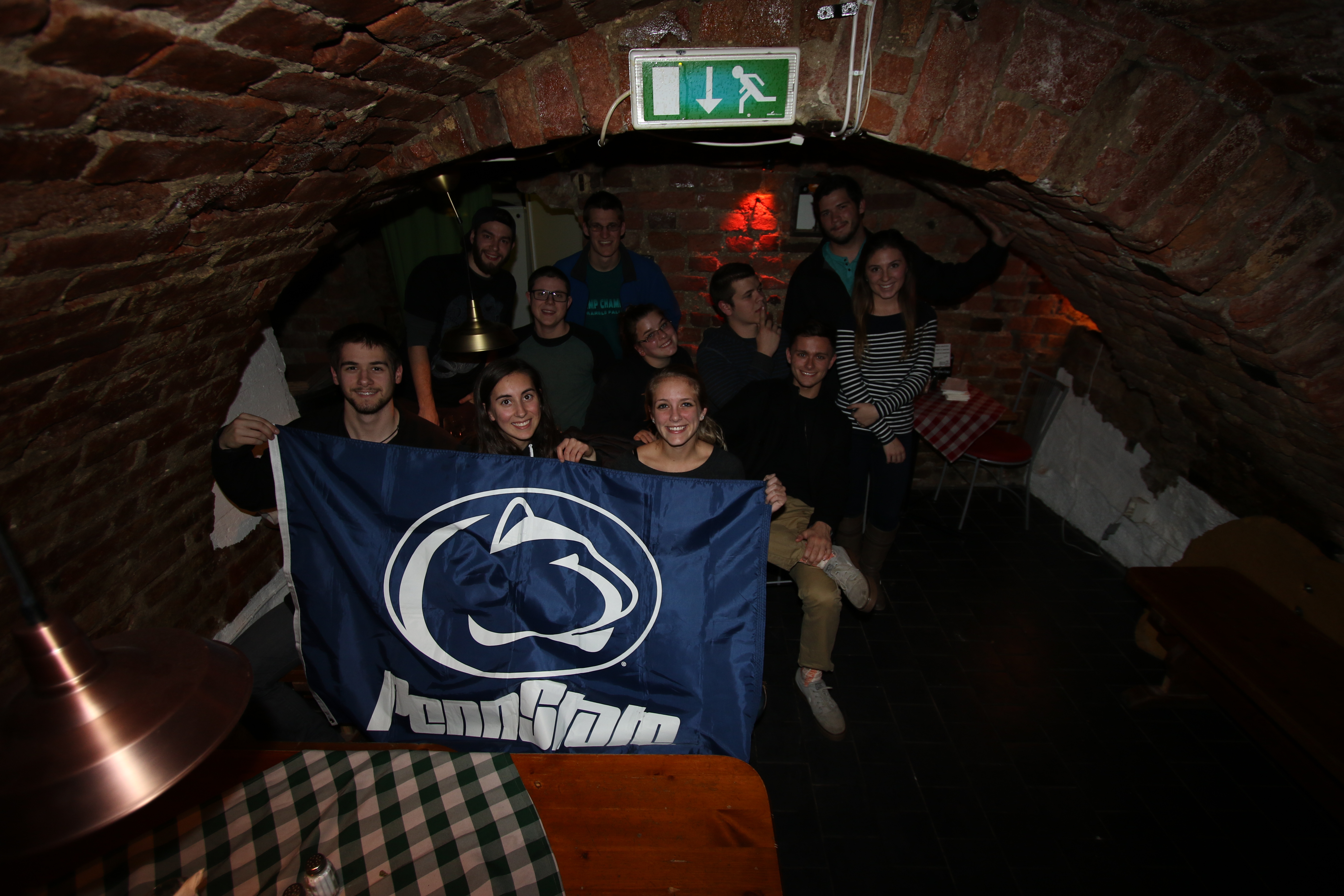
Eleven students recently returned from a ten-day trip to Sweden and Denmark. We asked them to send us some photos and tell us about their journey. In this blog post, we pick up with the students on Day 8. (You can read the first week of their trip here.)

Day 8 – Thursday, October 22nd

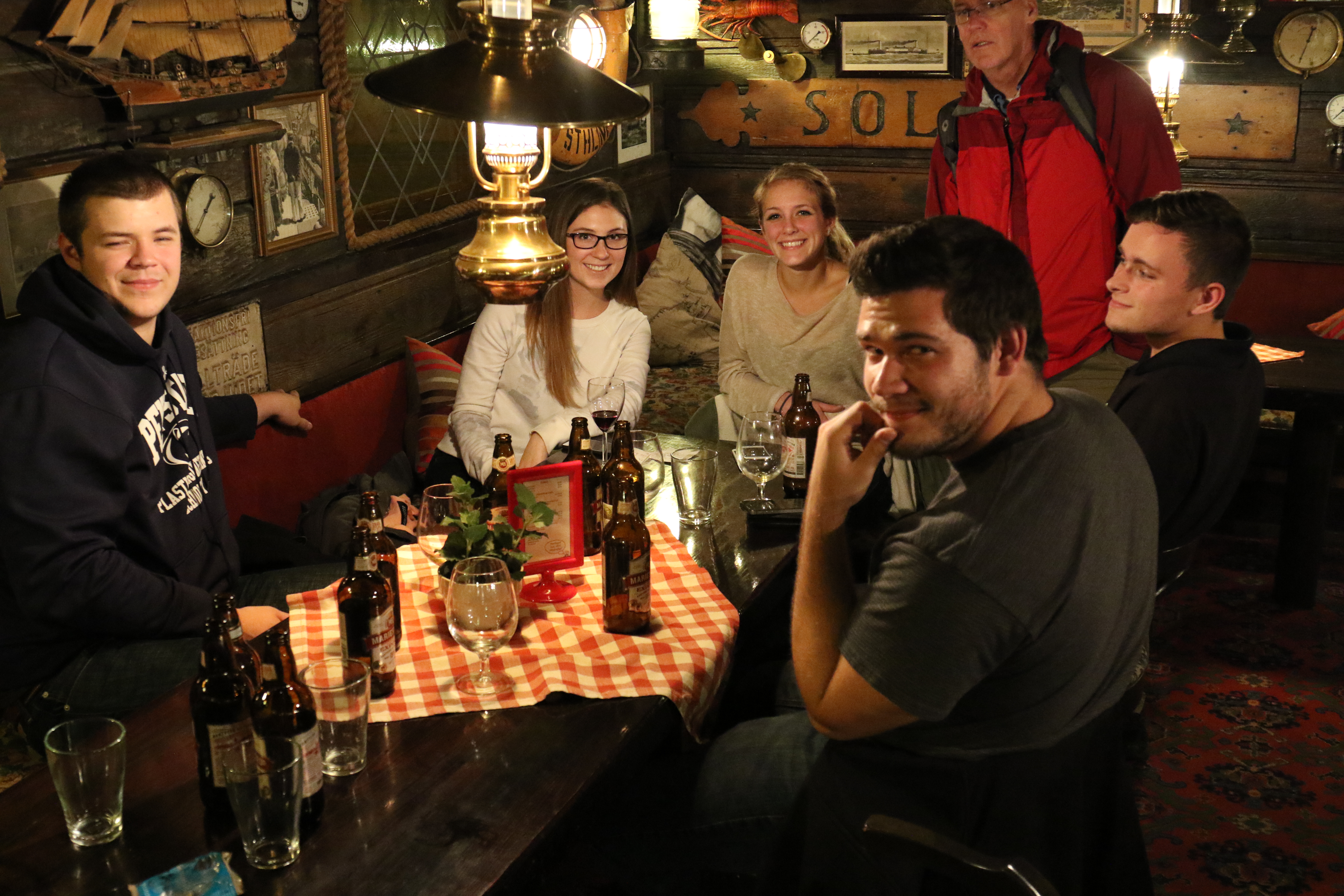
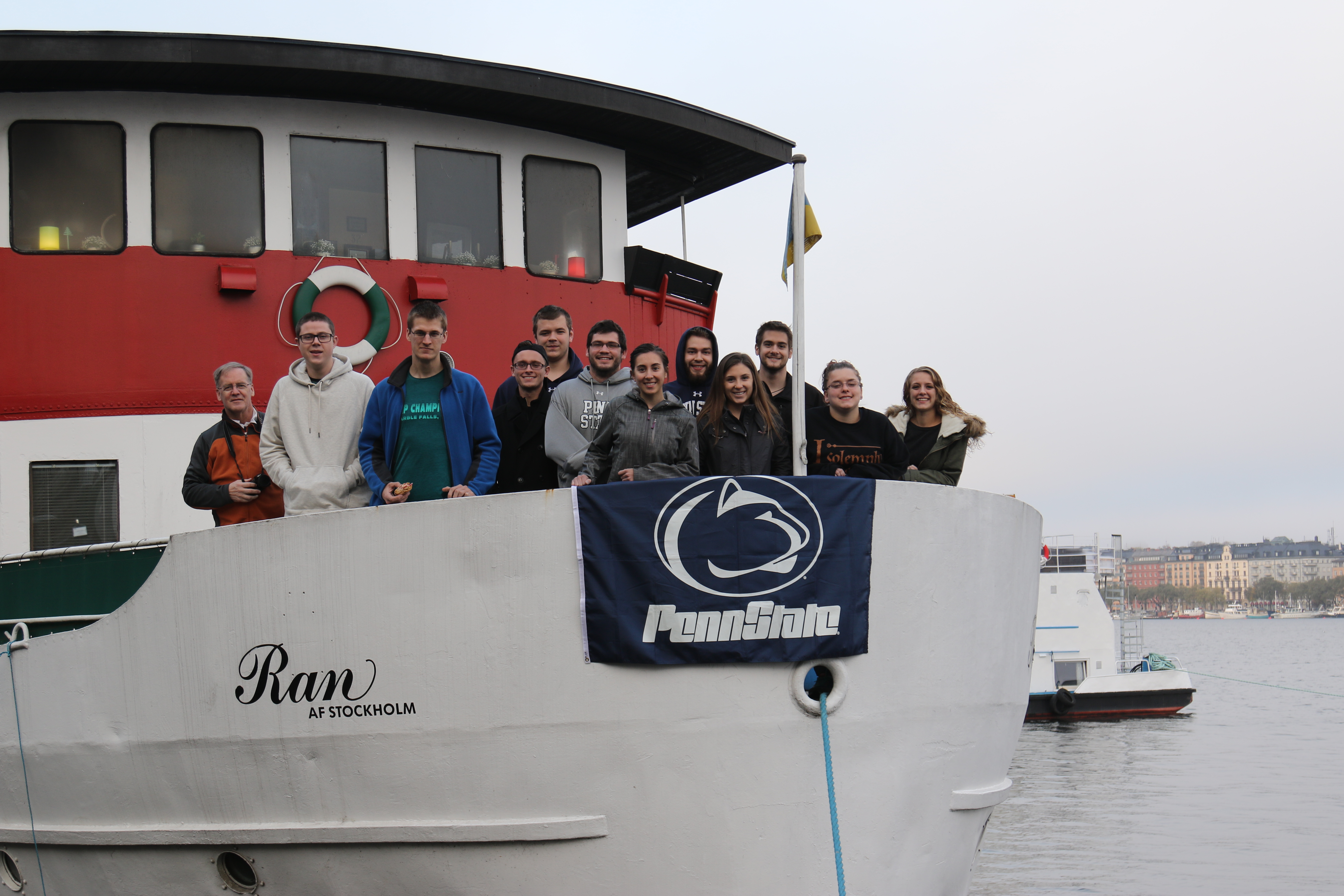
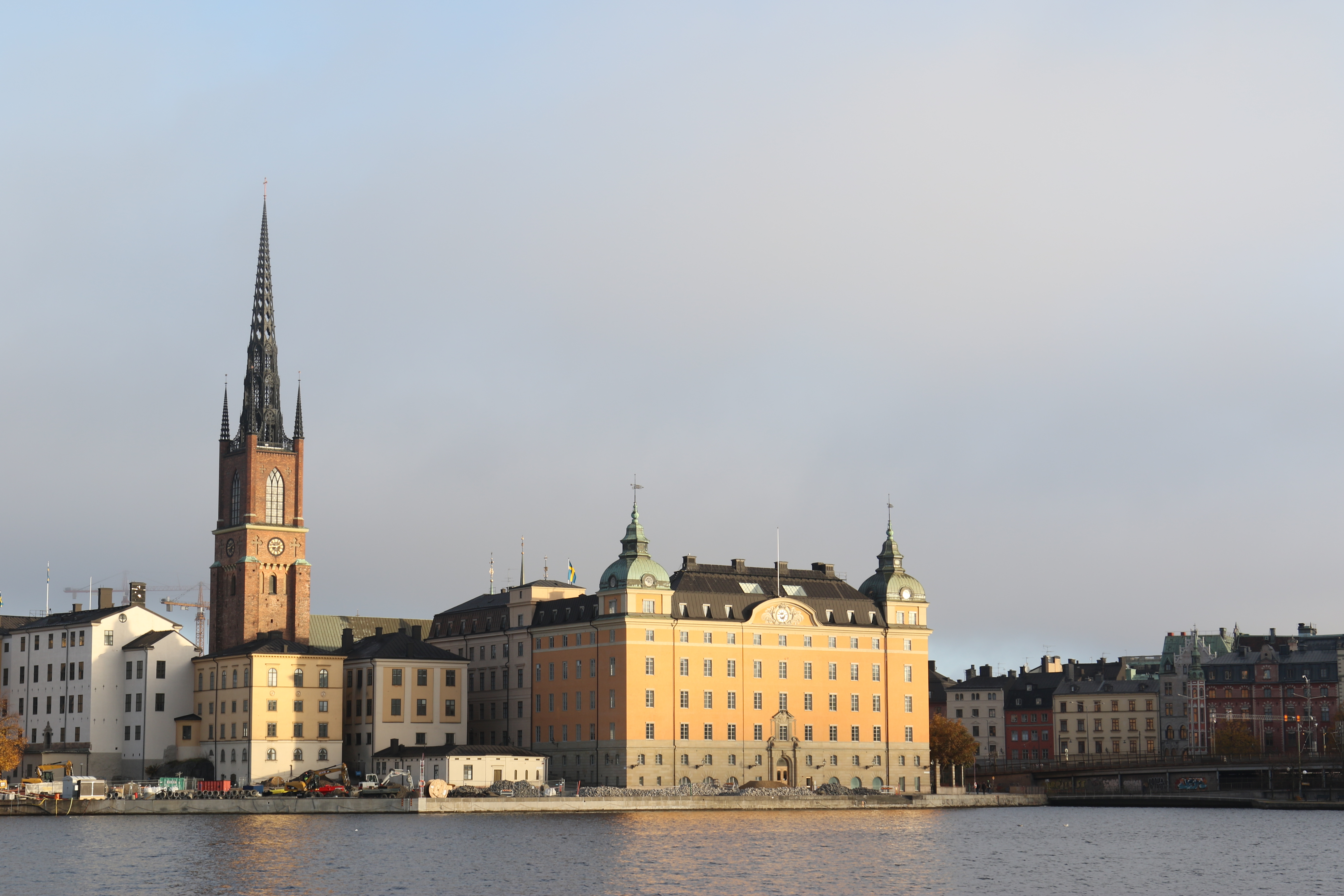
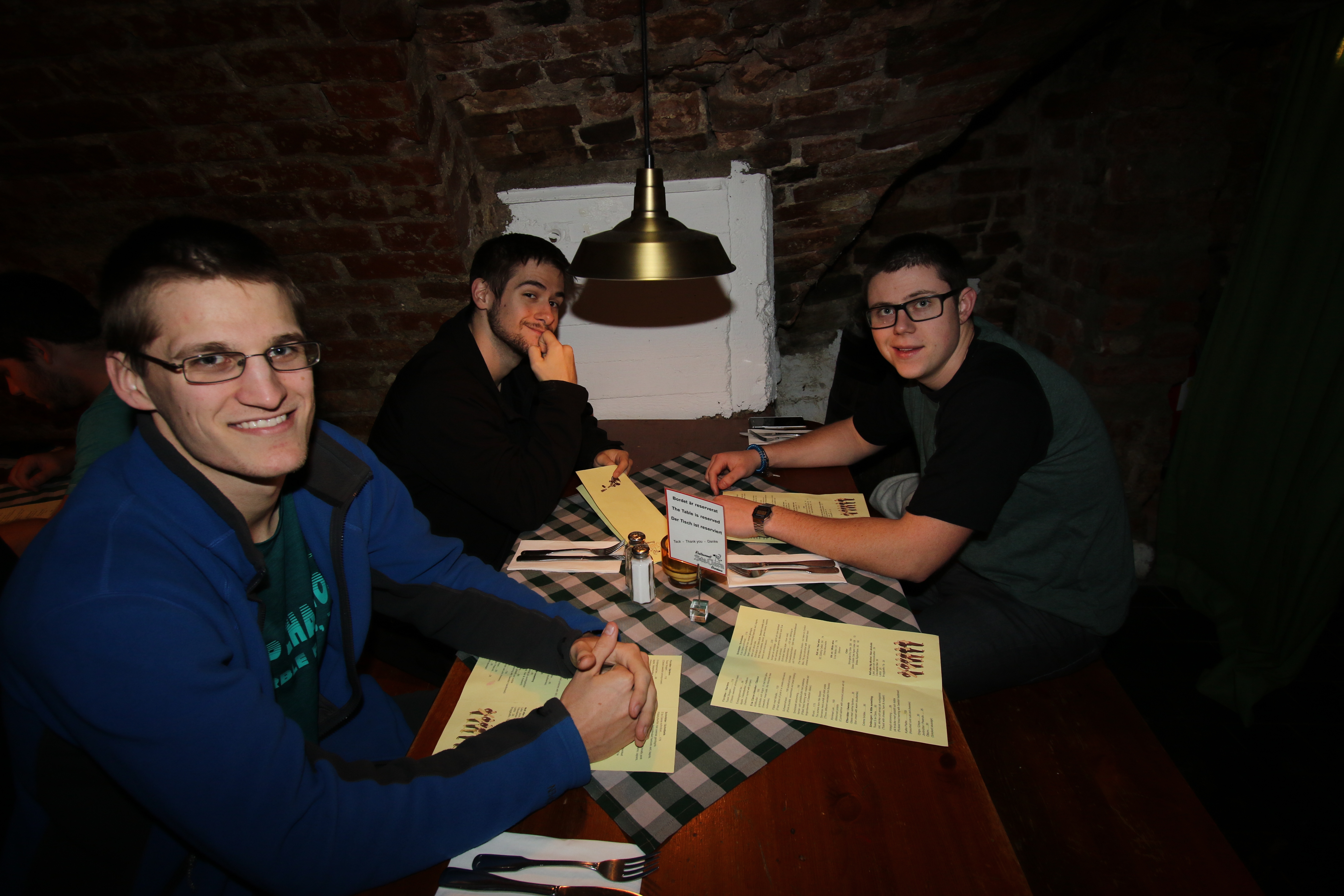
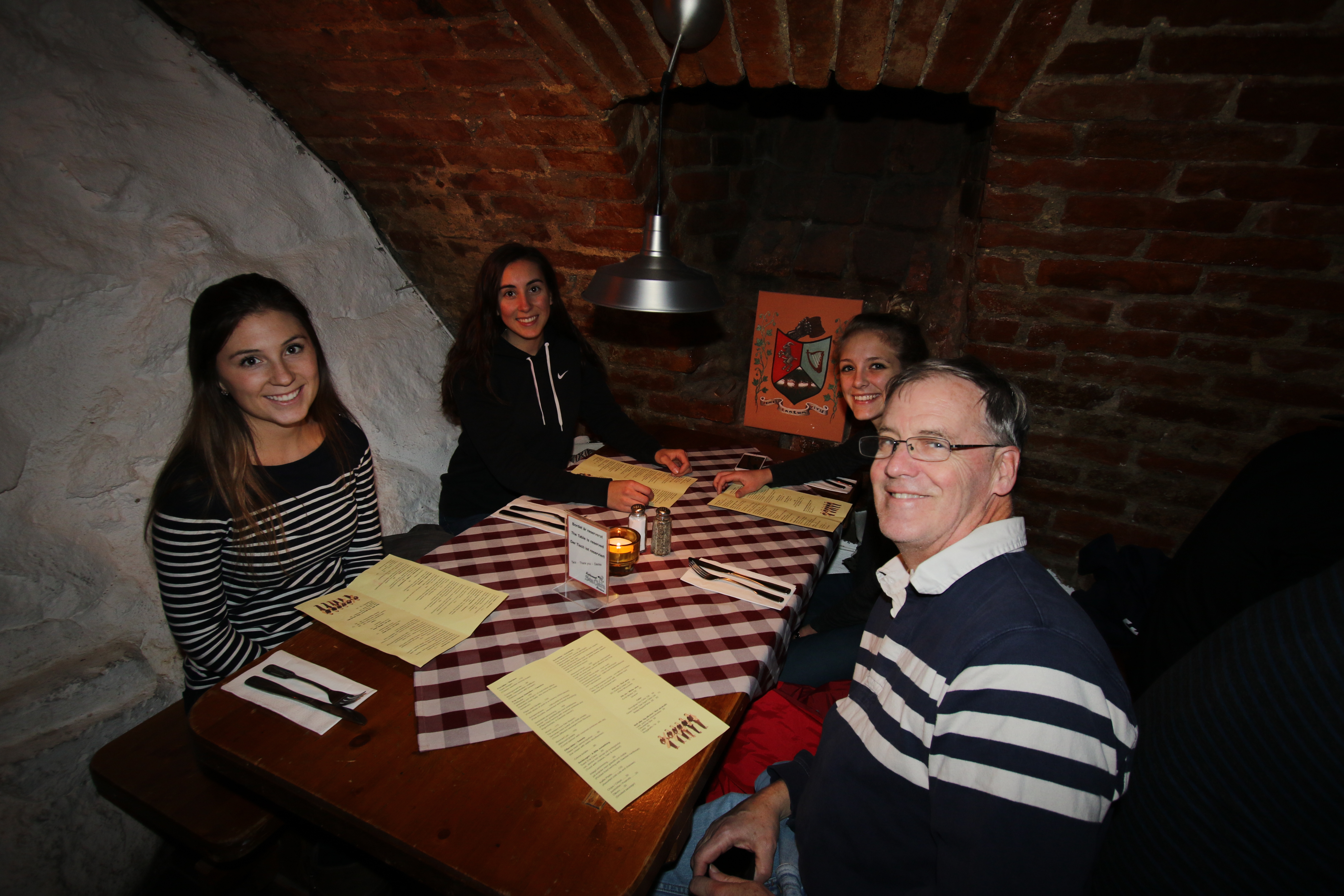
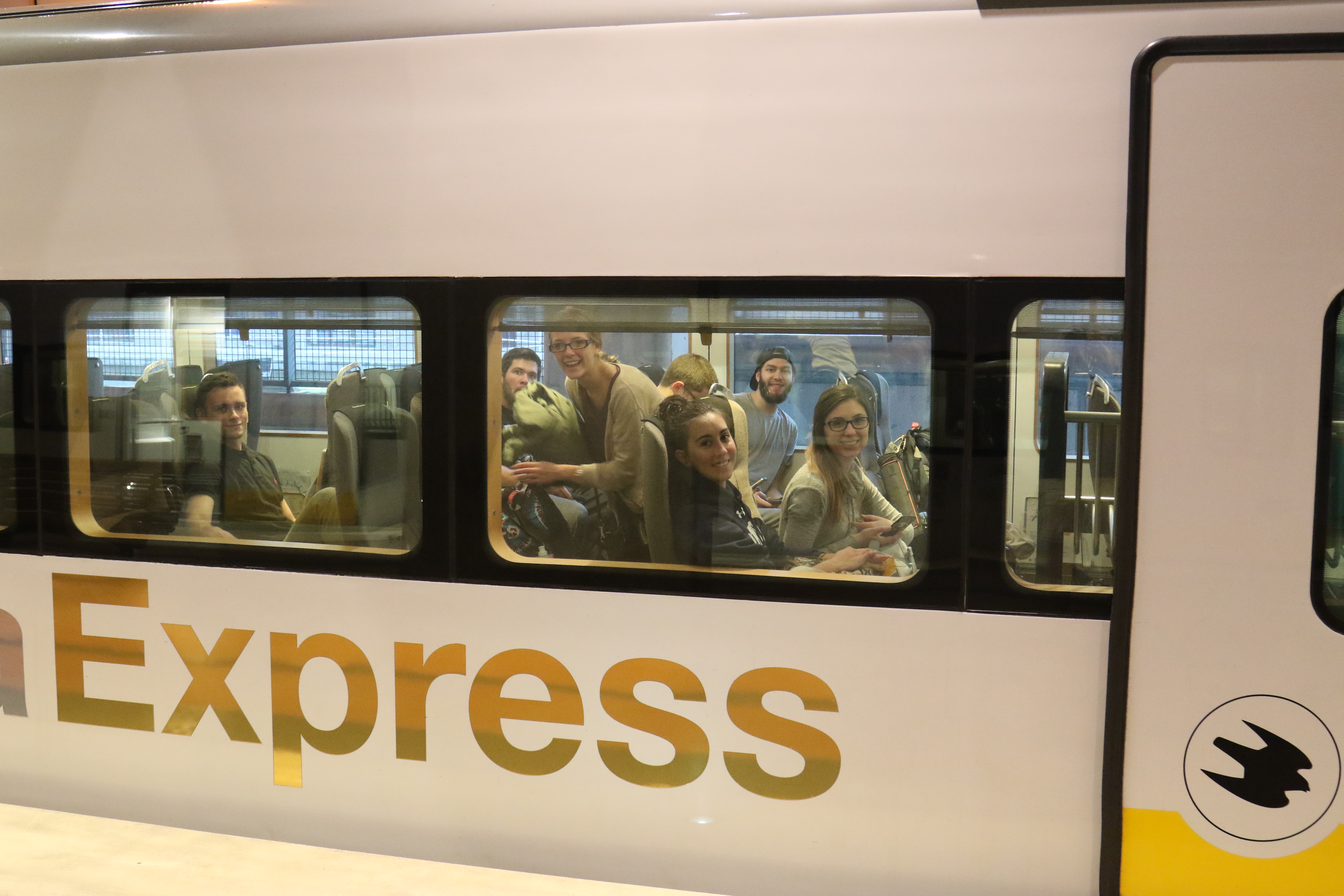
After breakfast, we had a long train ride from Gotenborg to Stockholm during which we were able to admire the beautiful countryside of Sweden. Once we arrived, we made our way to our hostel along the Riddarfjärden bay. We then had the evening to scout out the different places that we wanted to visit and find a local restaurant for some classic Swedish cuisine.

4Q7A7806

4Q7A7941

Day 9 – Friday, October 23rd

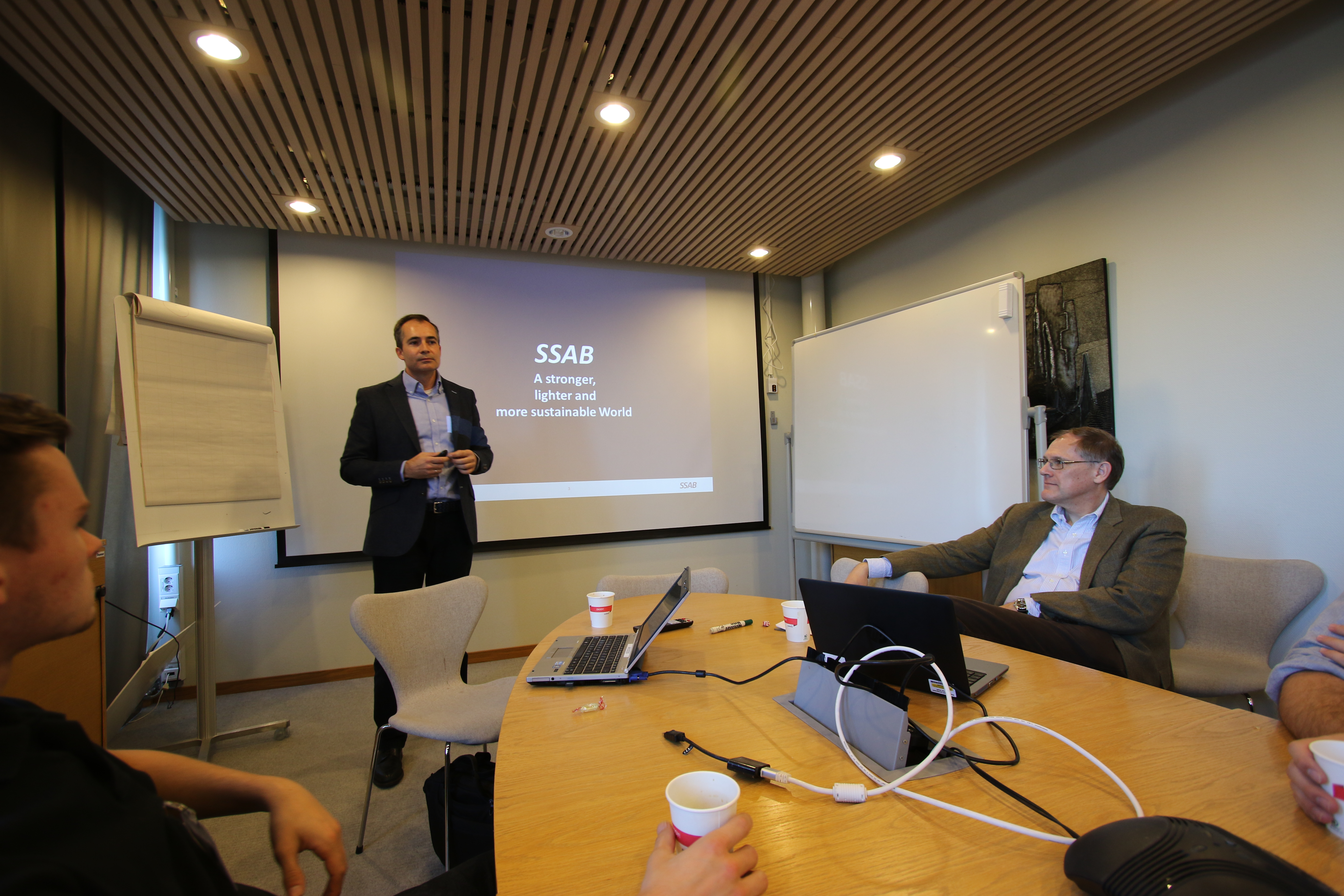
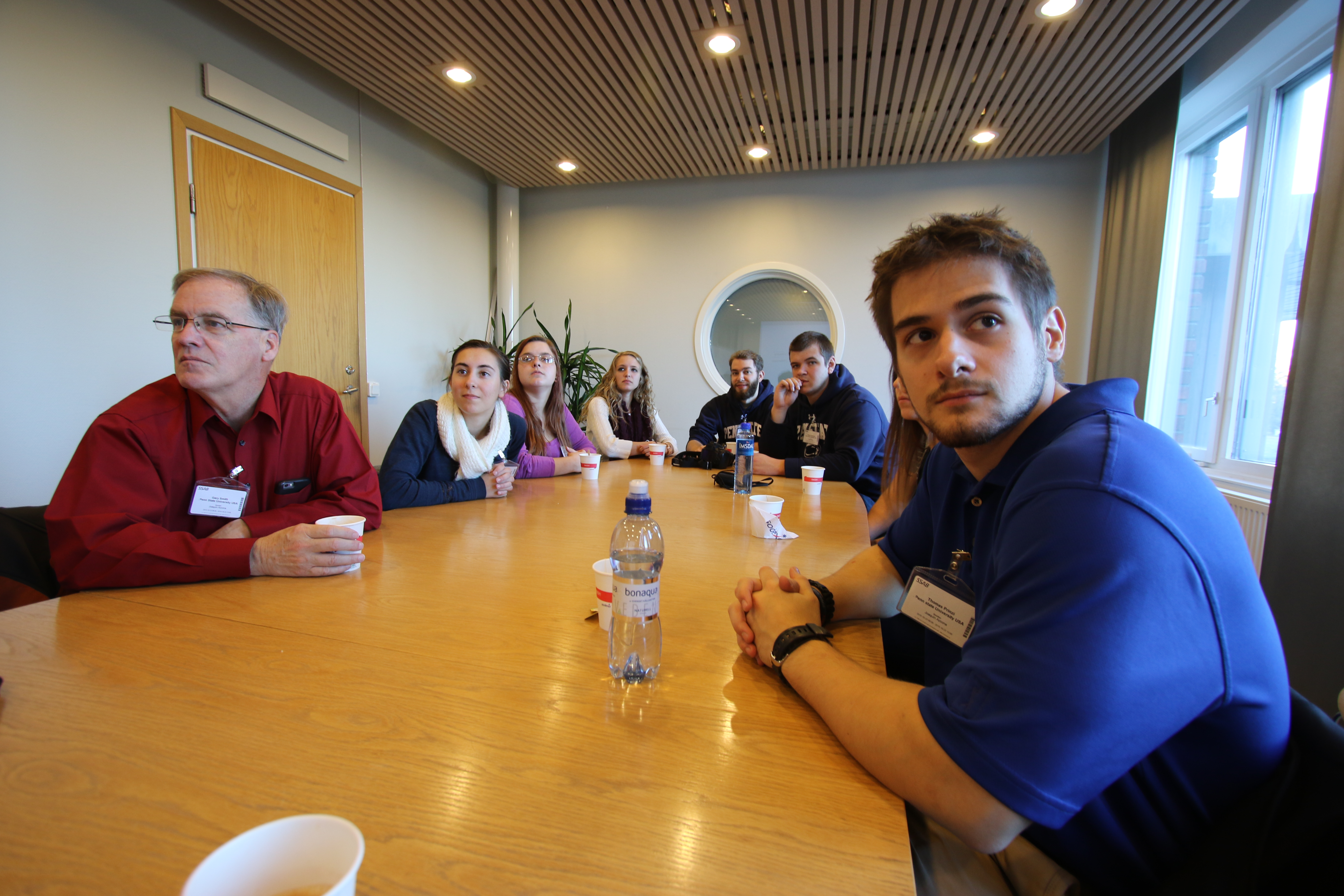
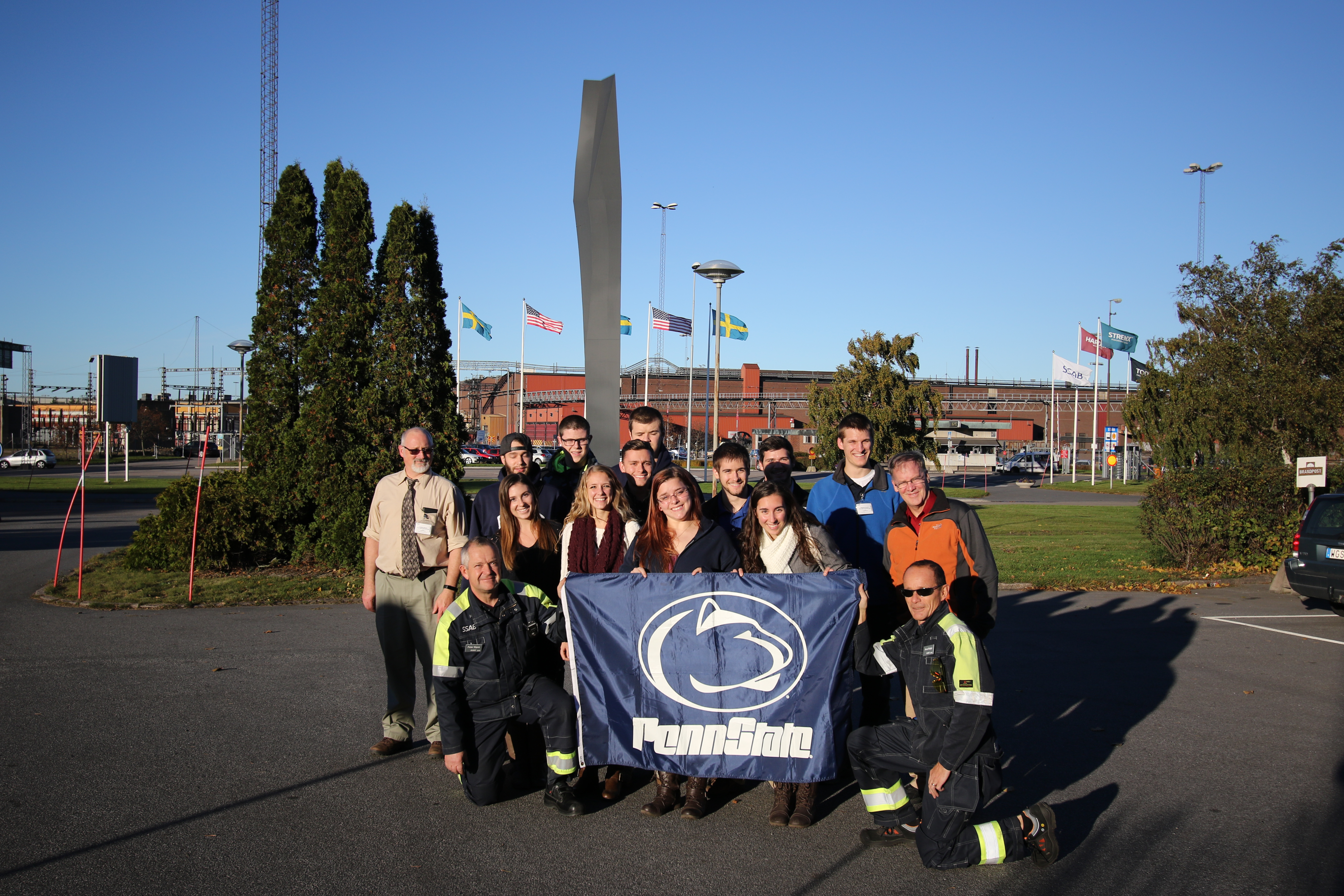
On Friday, we took the train to SSAB Steel Mill for a presentation and tour of their facility. The presentation discussed the advantages their tool steels provide over more commonly used materials, including their high strength and hardness properties. Touring the mill was an eye-opening experience. The size of the equipment required to manufacture the steel itself was overwhelming. Rolling the hot steel slabs caused the entire room to shake and we could feel the heat from about 20 yards away. After the tour, we rode the train back to central Stockholm to spend the rest of the night exploring the city.

4Q7A7865  ssab tour ssab_tour

Day 10 – Saturday, October 24th

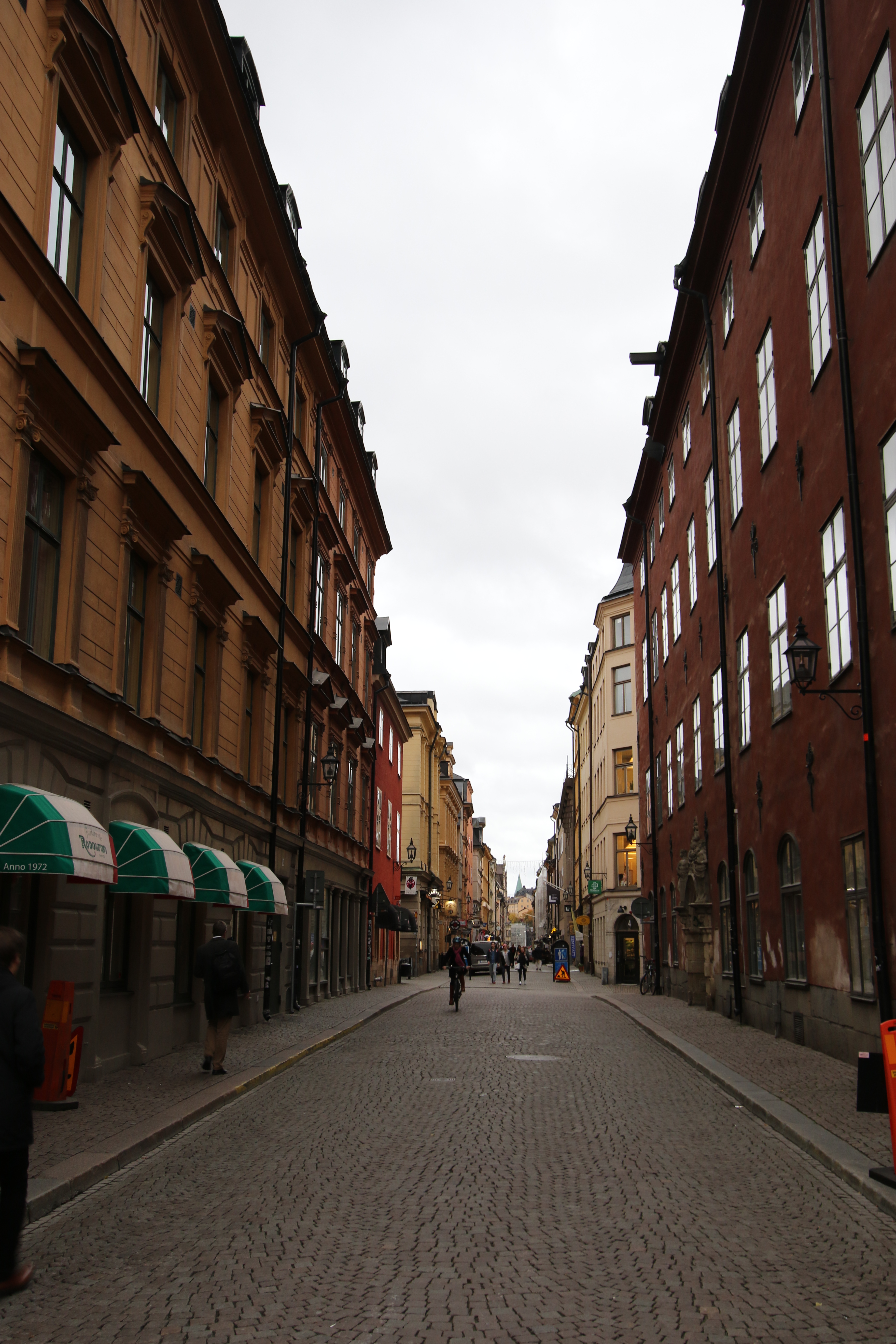
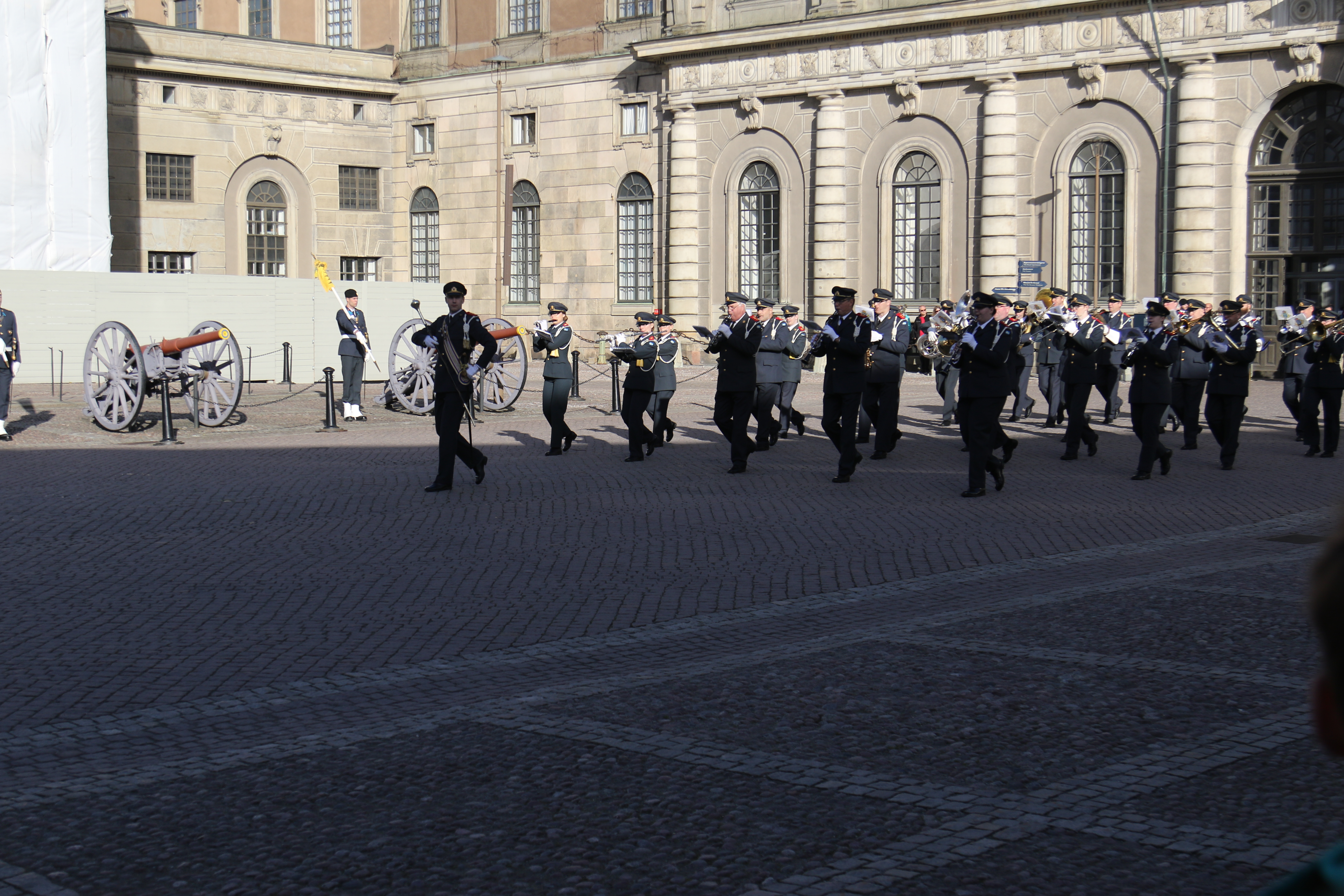
Saturday was our opportunity to explore the historic sites in Stockholm. During breakfast we used our city and bus maps to plan our events for the day. The events included touring the Vasa Museum (a museum dedicated to a salvaged warship), exploring the Royal Palace, and roaming the scenic streets of “Old Town.” We were also able to visit some of the local shops in search of souvenirs. Our evening consisted of a final dinner together at a local restaurant, followed by dessert at a near by ice cream shop. We ended our day back at our hostel where we began packing for the journey home.

old town

“Old Town”

4Q7A80134Q7A8021royal palace

Royal Palace

vasa museum

Vasa Museum

4Q7A8577 4Q7A8549 4Q7A8545

Day 11 – Sunday, October 25th

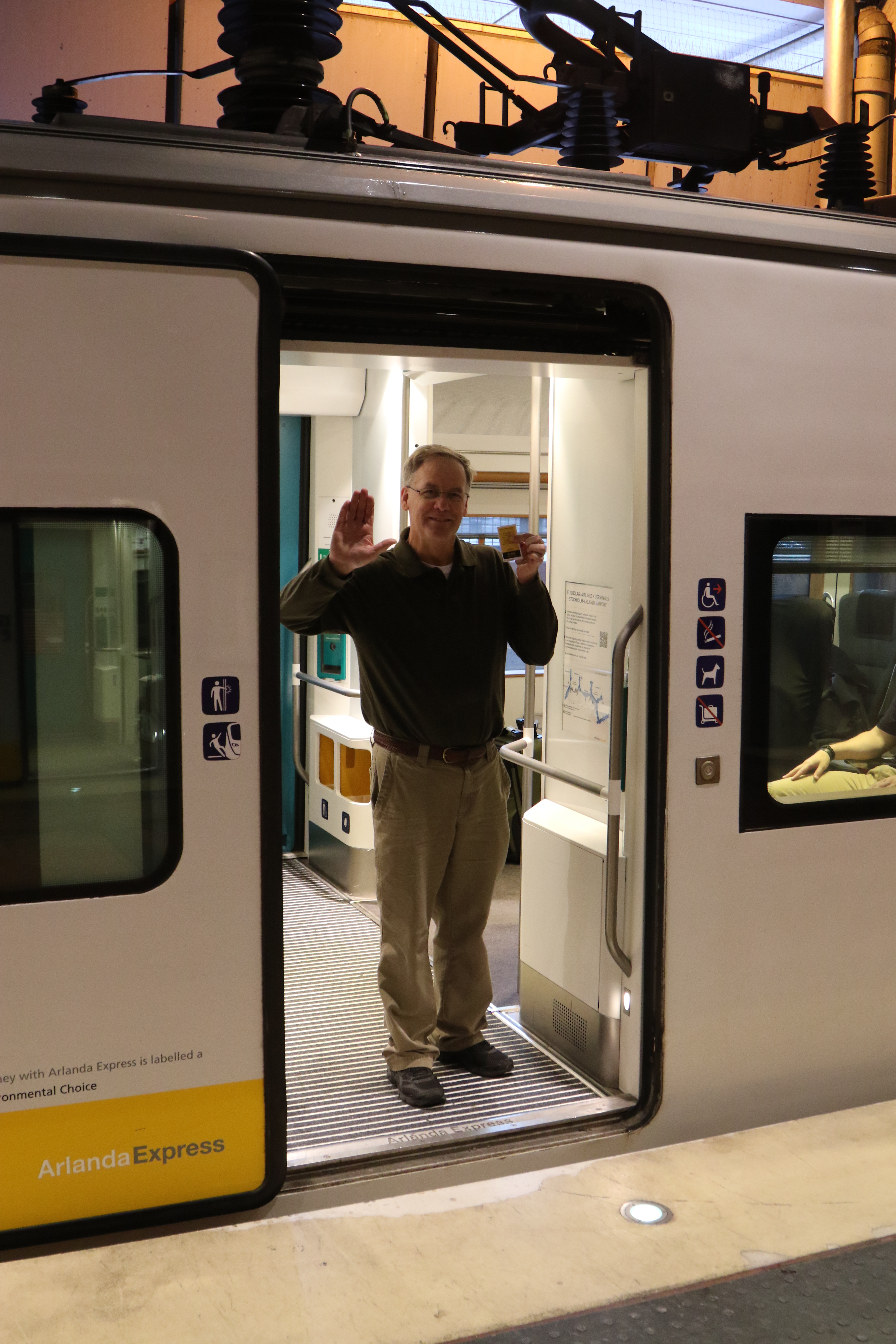
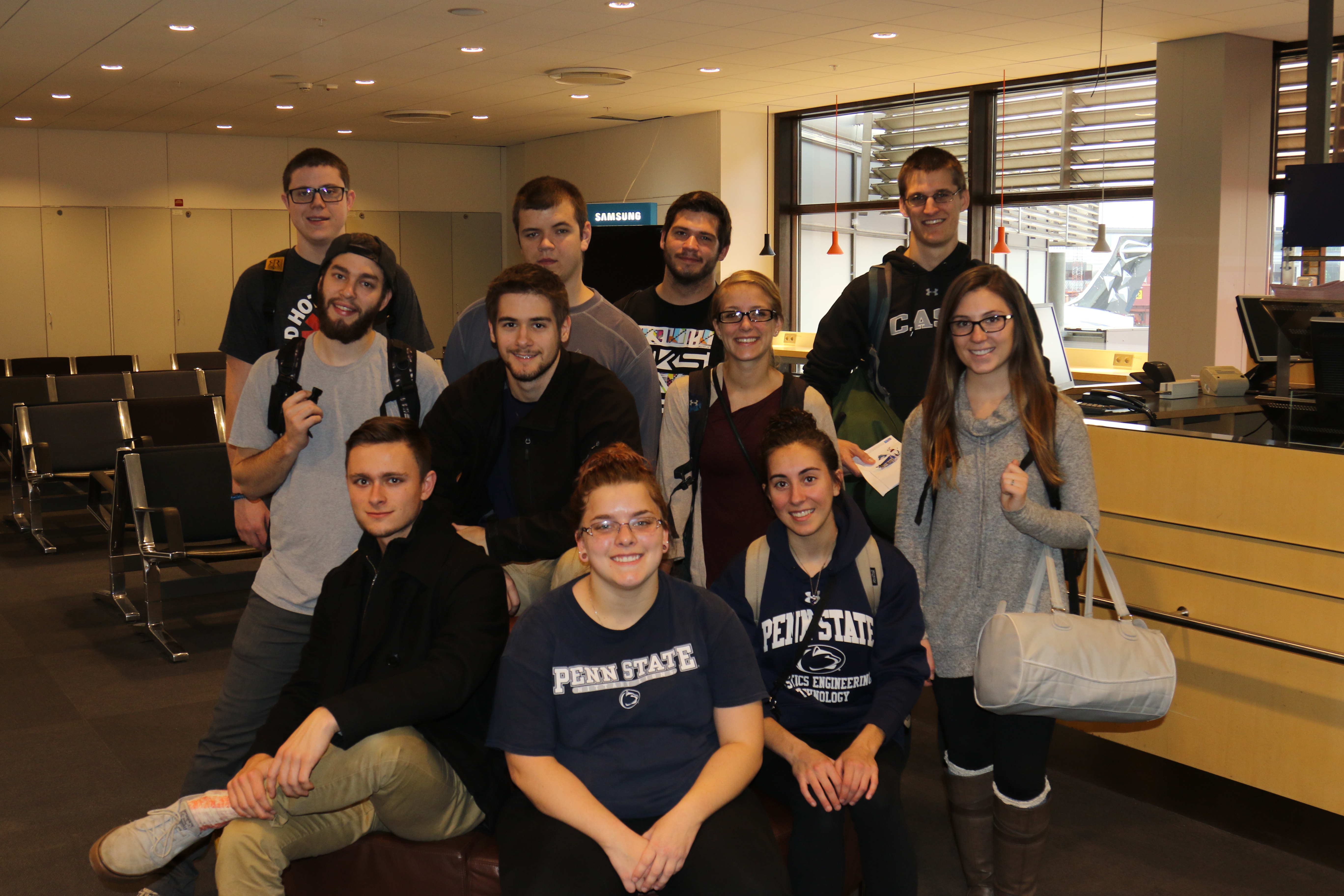
We ended our final day in Stockholm with a group breakfast at our hostel before hauling our luggage and souvenirs to the train station for the last time. After arriving at the airport, we chose to spend the last few hours reminiscing on our experiences as we browsed through each other’s pictures. Though we all enjoyed our time traveling overseas, by the last day we were glad to be on our way home so that we could share the stories of our experiences with our friends and family.

4Q7A8612

4Q7A8645

4Q7A8643  4Q7A8653

Diary Gives Insight into Mary Behrend’s Life

By Allison Counasse
e-Communications Coordinator, Penn State Behrend

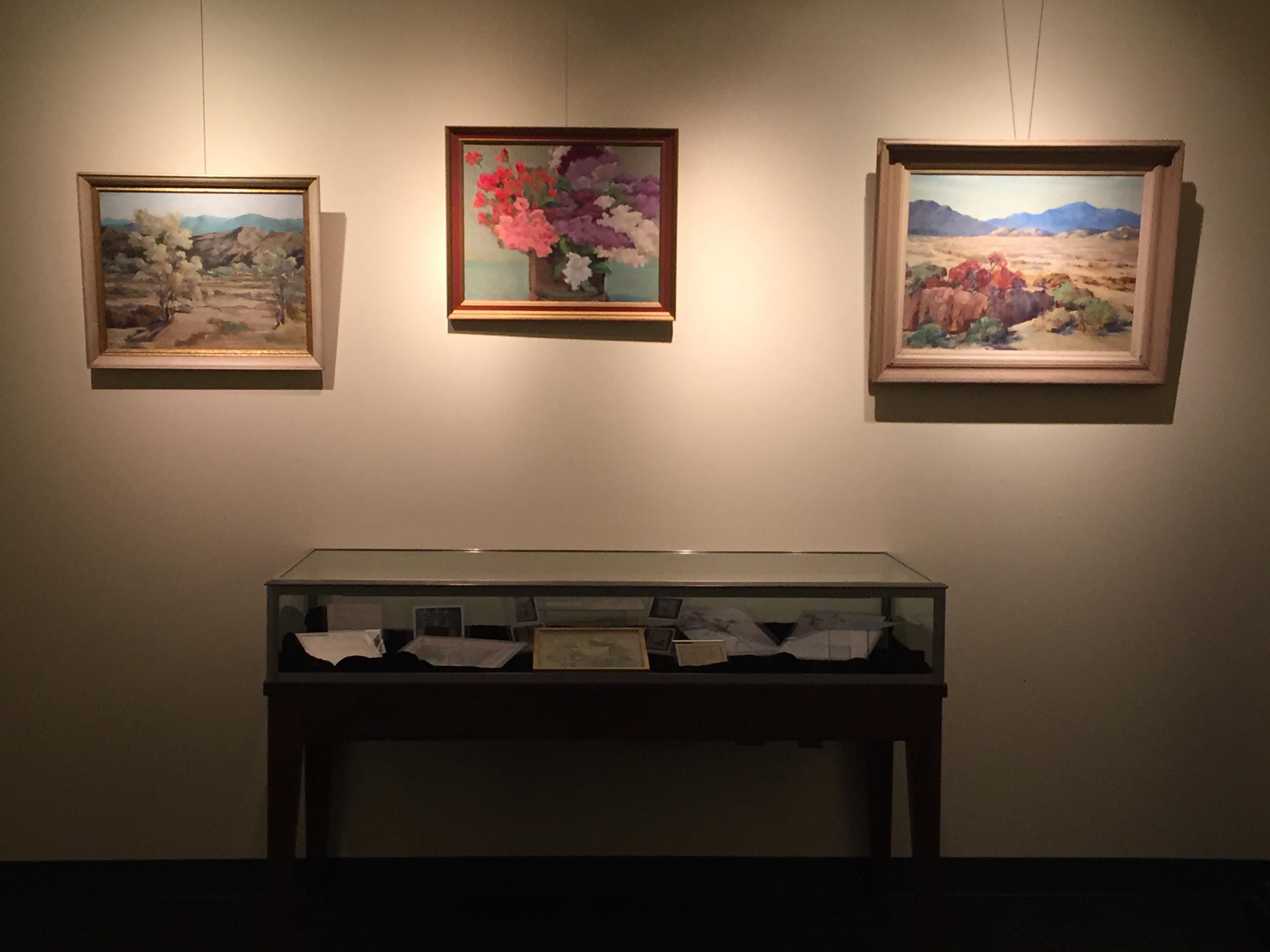
“Mary Brownell Behrend: Diary of a Girl/Portrait of a Woman” features excerpts from a diary Mary kept when she was 13, as well as several of her paintings.

An unexpected package that arrived over the summer at the Penn State Behrend Archives from Ernst and Mary Behrend’s grandsons, Richard and William Sayre, was particularly well-timed. It contained items for the Archives’ Behrend Family Collection and arrived while the college was nearing completion of a new monument for their grandmother.

Jane Ingold, college archivist, opened the package to find Behrend family personal items and memorabilia, including a photo of Ernst as a baby in 1869, a miniature chess set belonging to Ernst, and the diary Mary kept when she was 13 years old.

The diary held particular interest for Ingold, who curates exhibits from the archives and displays them in the John M. Lilley Library gallery. It soon became the centerpiece for a new exhibit, “Mary Brownell Behrend: Diary of a Girl/Portrait of a Woman,” which features excerpts from the diary, as well as several of Mary’s paintings.

“I wanted to display something that people could look at in conjunction with the monument’s unveiling,” said Ingold. “The diary has so much in it. You can see her in the diary when she was 13.”

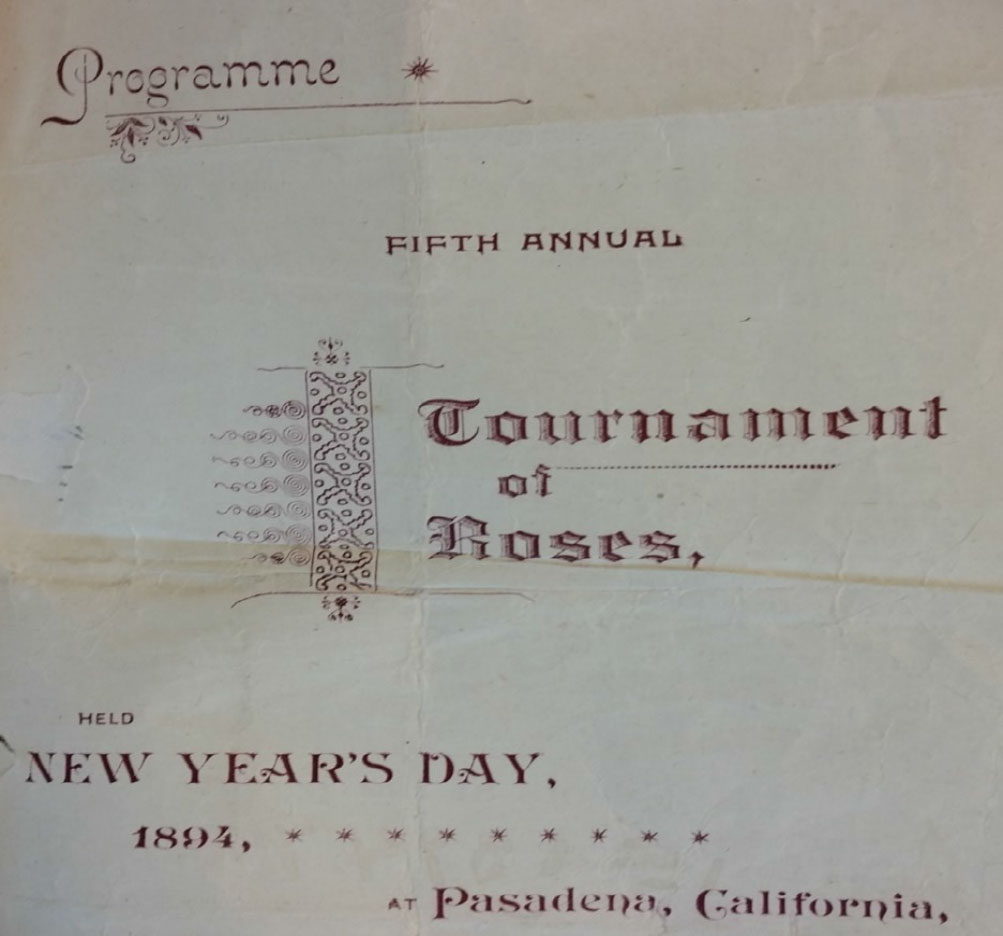
Mary kept this program from the Fifth Tournament of Roses in her diary.

The diary gives a glimpse into Mary’s childhood, documenting both the ordinary and the extraordinary aspects of her life—from a list of Christmas presents she received to a trip that she, her mother, and her siblings took to the Chicago World’s Fair in 1893 and to California, where they attended the Fifth Tournament of Roses in January 1894.

Mary used her diary as both a journal and a scrapbook with decorated pages, photographs, pressed flowers, a small paper sign where she advertised her handmade dolls for sale, and trip souvenirs. These illustrate Mary’s lifelong interests in art, gardening, dolls, and travel.

The diary also provided more insight into her family. Mary’s mention of a brother named Warren, who would serve as a namesake for her son, was a revelation for Ingold and the Sayres. Ingold had run across Warren Brownell’s name during basic genealogy research but didn’t realize he was Mary’s brother. The diary enabled her to make the connection and identify Warren in photos that also are on display.

“Mary Brownell Behrend: Diary of a Girl/Portrait of a Woman” is on display through November 5 and again in summer 2016. The exhibit is open to the public during library hours.

Follow Plastics Engineering Technology Students through Denmark & Sweden — Travel Log #1

4Q7A6873

No matter how vivid the photos or descriptive the lecture, there’s nothing quite like seeing and experiencing another country in person. And, in today’s increasingly global business climate, it’s vital that students be versed in the culture and business practices of international partners. There is much to be learned from seeing how others do it. That’s why, every year, students in the Plastics Engineering Technology program have the opportunity to travel overseas to visit plastics companies and universities and attend a plastics trade show, too.

Right now, eleven students are at the tail end of a ten-day trip to Sweden and Denmark.

We asked them to send us some updates and photos so we could all learn from their journey.

Day 1- Thursday, October 15th

Today was our departure date. We left Behrend in a bus and headed to the Toronto airport to board the plane to Copenhagen. We were all anxiously awaiting departure!

IMG_0237

Day 2- Friday, October 16th

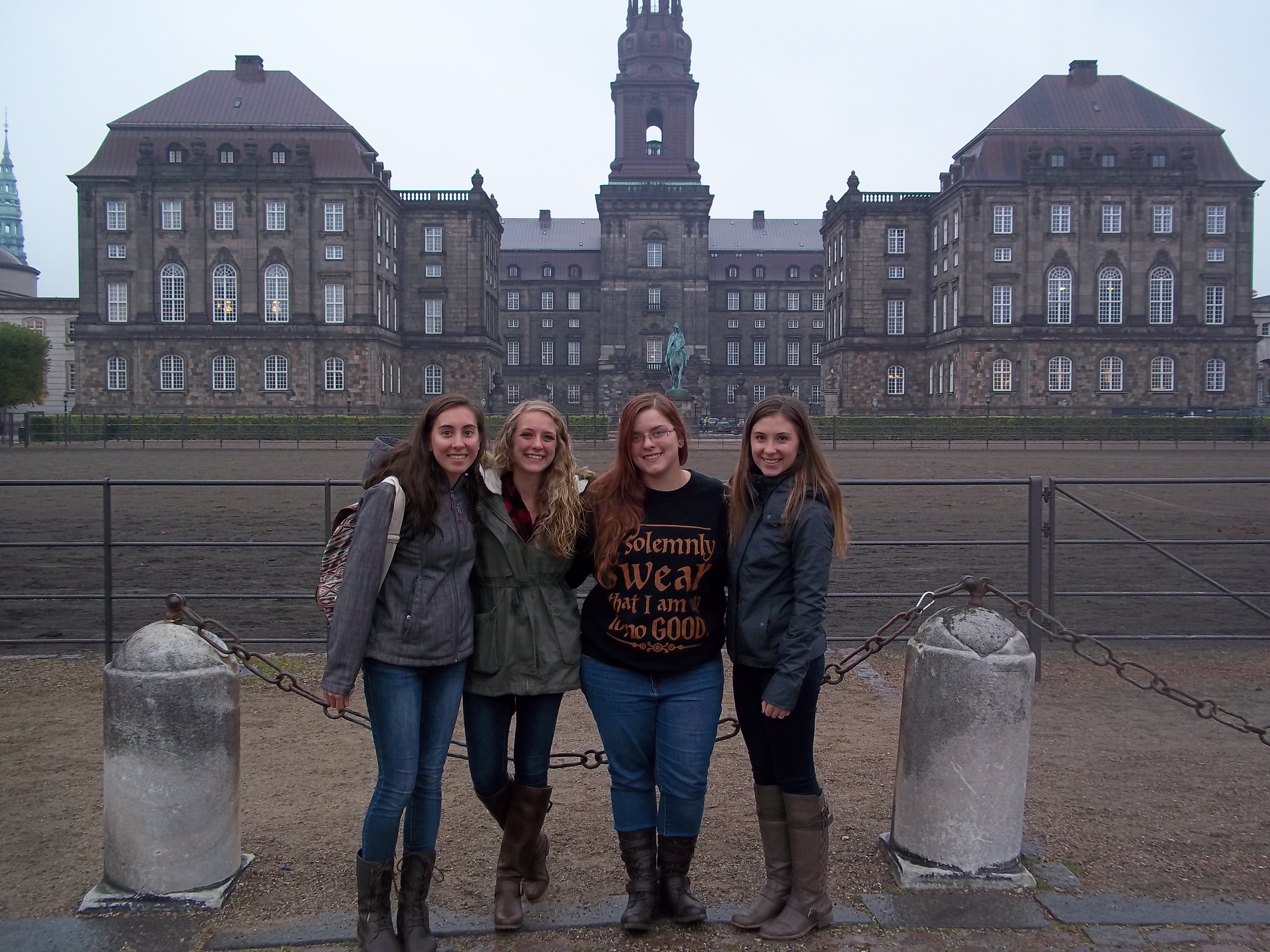
We arrived in Copenhagen at approximately 10:00 a.m. and made our way to our hostel. After dropping off our things at the hostel, we went our separate ways to explore the city. One group toured the Christianborg Palace and visited Tivoli Gardens-the oldest amusement park in Europe. Other groups climbed local towers to see the city from above. This was our first experience communicating with other cultures and through other languages.

IMG_0159

100_1952

Day 3- Saturday, October 17th

Our second day in Copenhagen was more eventful, as we taught ourselves how to use the bus and train systems. We were able to travel across the city more efficiently to see more distant attractions. Some of these attractions included the Rosenborg Palace, Kastellet Fort, and also the Little Mermaid statue.

4Q7A6005 100_2134 (1) 100_2291 DSCN1764

Day 4- Sunday, October 18th

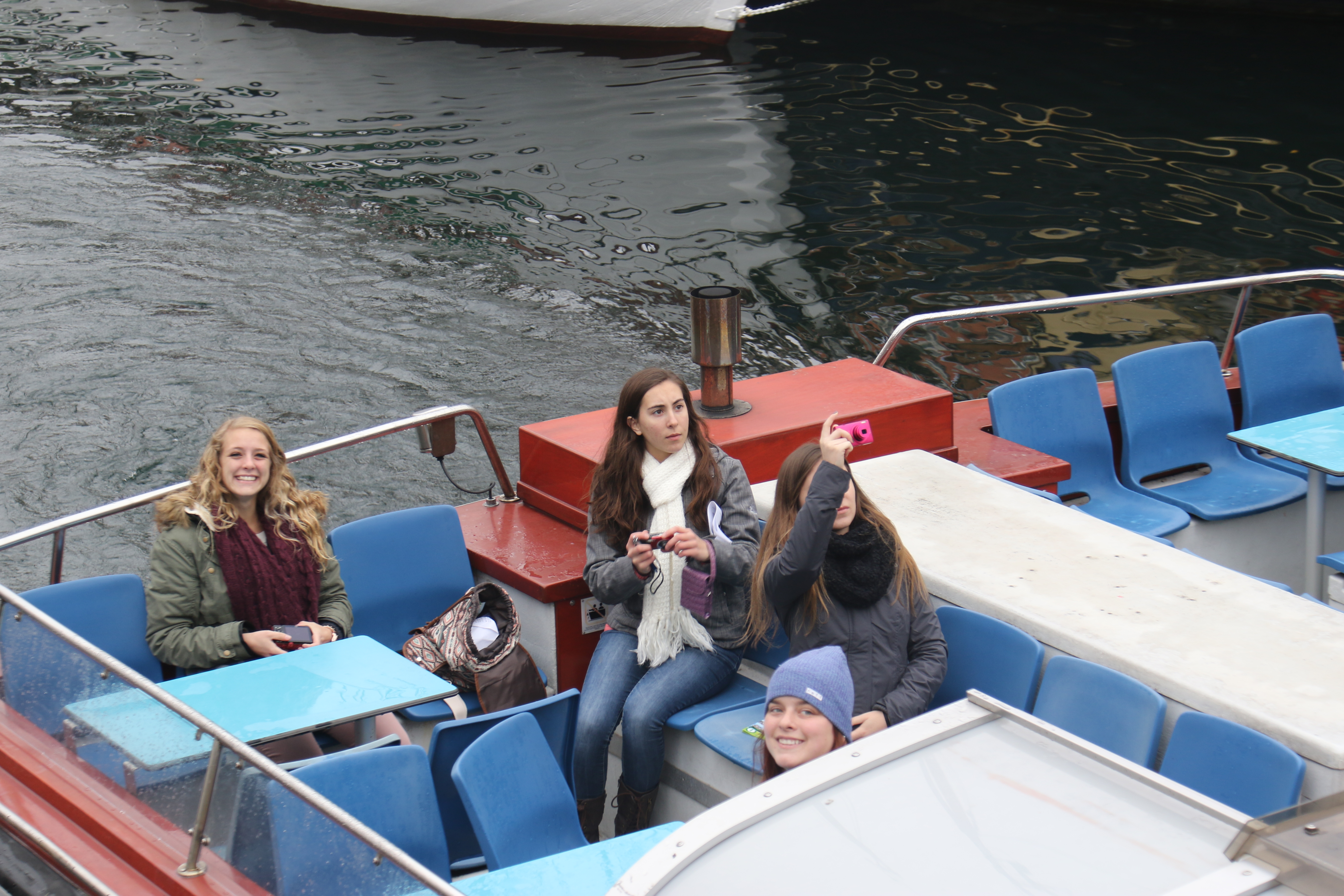
The last day in Copenhagen we were able to catch a few more attractions, such as the Marble Church and the picturesque town of Nyhavn. In the evening, we boarded a train to Vejen, and we arrived at our hostel late that night.

4Q7A6528

Day 5 – Monday, October 19th

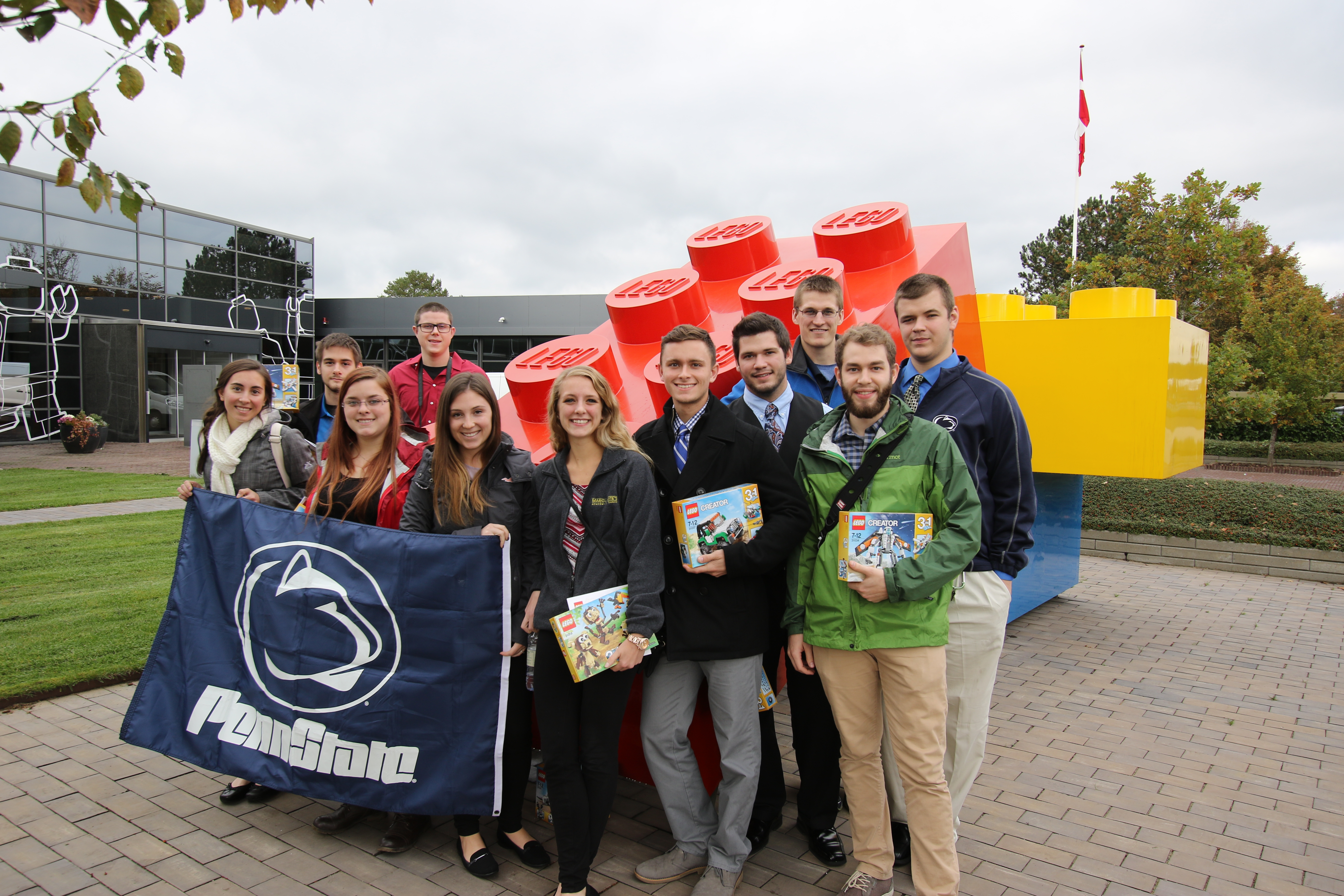
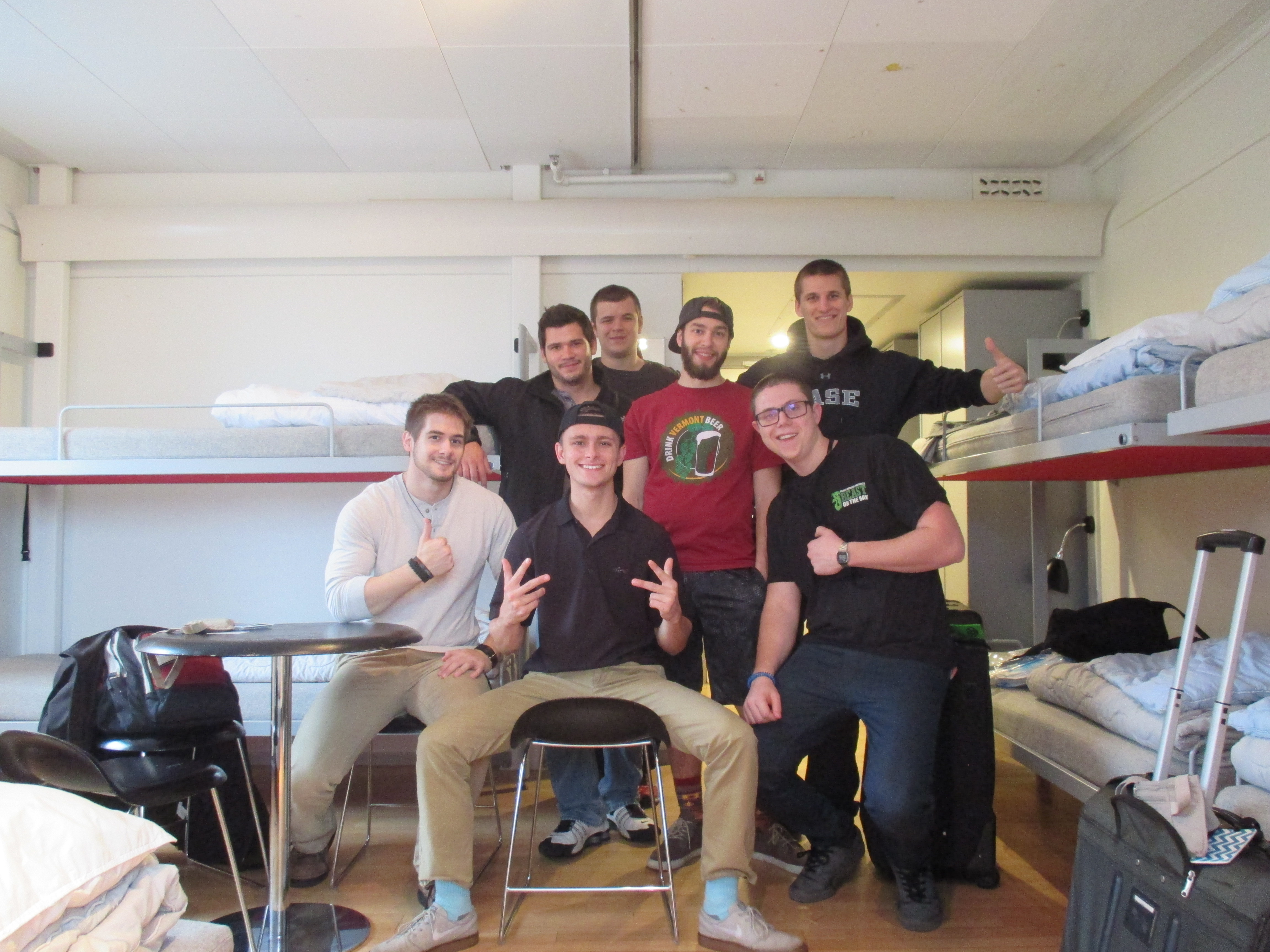
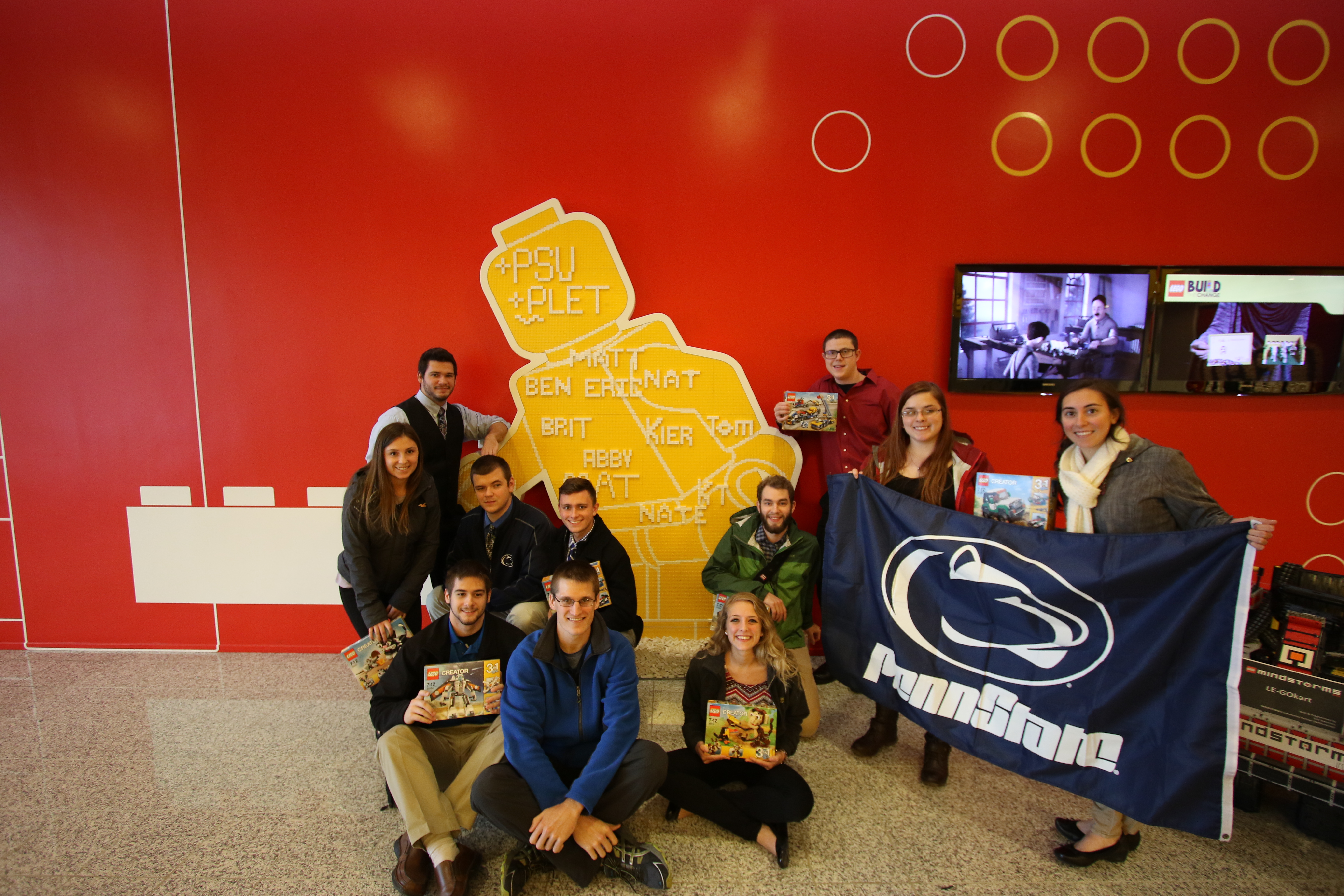
On Monday, we woke up and caught the bus to Billund for a tour of the LEGO facility. The manufacturing facility was very innovative and automated, which was very interesting to see. We learned about their history, business model, company values, and processing techniques. We departed LEGO in the early afternoon and headed back to Copenhagen for the night. At this point, we went our separate ways to the hostels that each group of students had booked on their own. It was a great experience maneuvering through the city with our luggage and trying to find our hostel on our own.

4Q7A6890

4Q7A6833 4Q7A6854 4Q7A6864 4Q7A6873

Day 6 – Tuesday, October 20th

Tuesday we visited the Danish Technical University (DTU), just outside of Copenhagen. They had incredible research facilities and free 3D printing for any university student. The university was very project oriented and encouraged all students to go “beyond state of the art.” You could tell from their work that the students were very passionate and had put time and effort into their projects to make creative ideas come to life. Afterwards, the group boarded another train to Goteborg, Sweden, where we found our hostel for the night.

4Q7A6977

Day 7 – Wednesday, October 21st

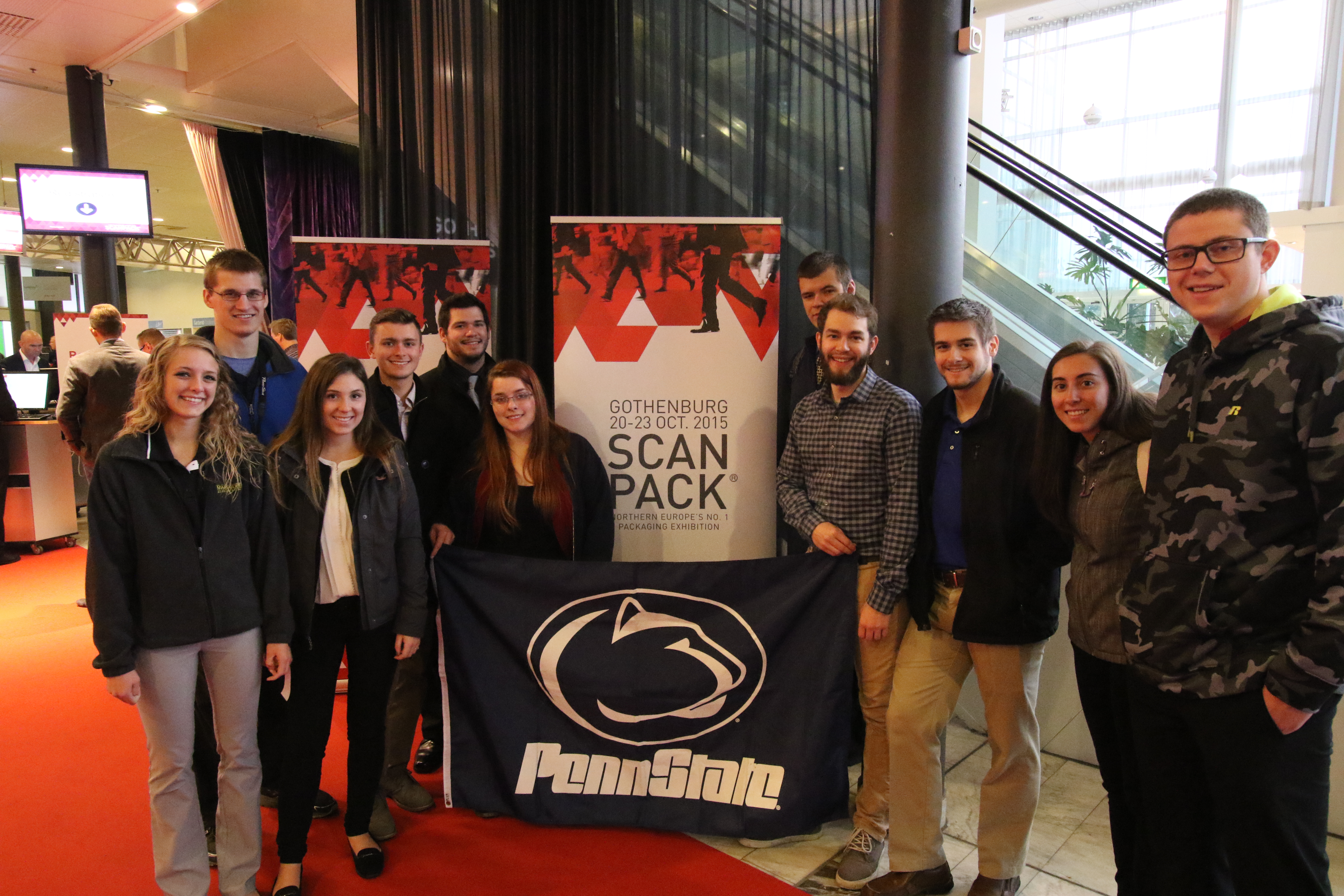
We woke up in Goteborg bright and early to make our way to the Scan Pack Packaging Trade Show. Students spent hours visiting the various booths and displays from packing companies from around the world. Some highlights included a juggling robot; collapsible, reusable, and more environmentally friendly material gaylords; biodegradable packaging; and various forms of filling equipment for assembly lines.

4Q7A7182

4Q7A7235 4Q7A7262

To be continued….

9-hole disc golf course open at Behrend

By Heather Cass

Publications & Design Coordinator, Penn State Behrend

IMG_9956

Have you noticed the medieval-looking baskets with chains on metal poles around campus and wondered what they are for?

They’re for your entertainment.

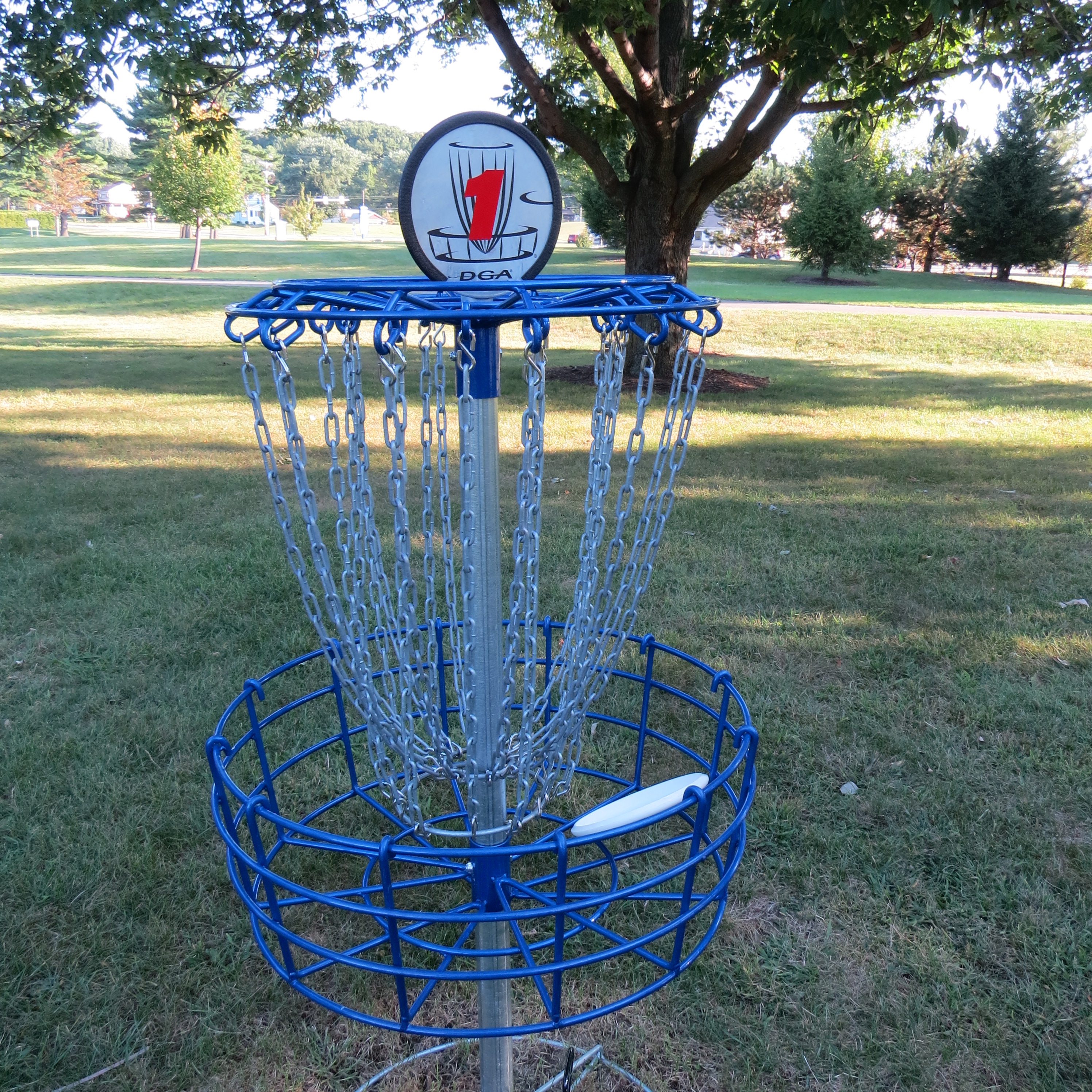
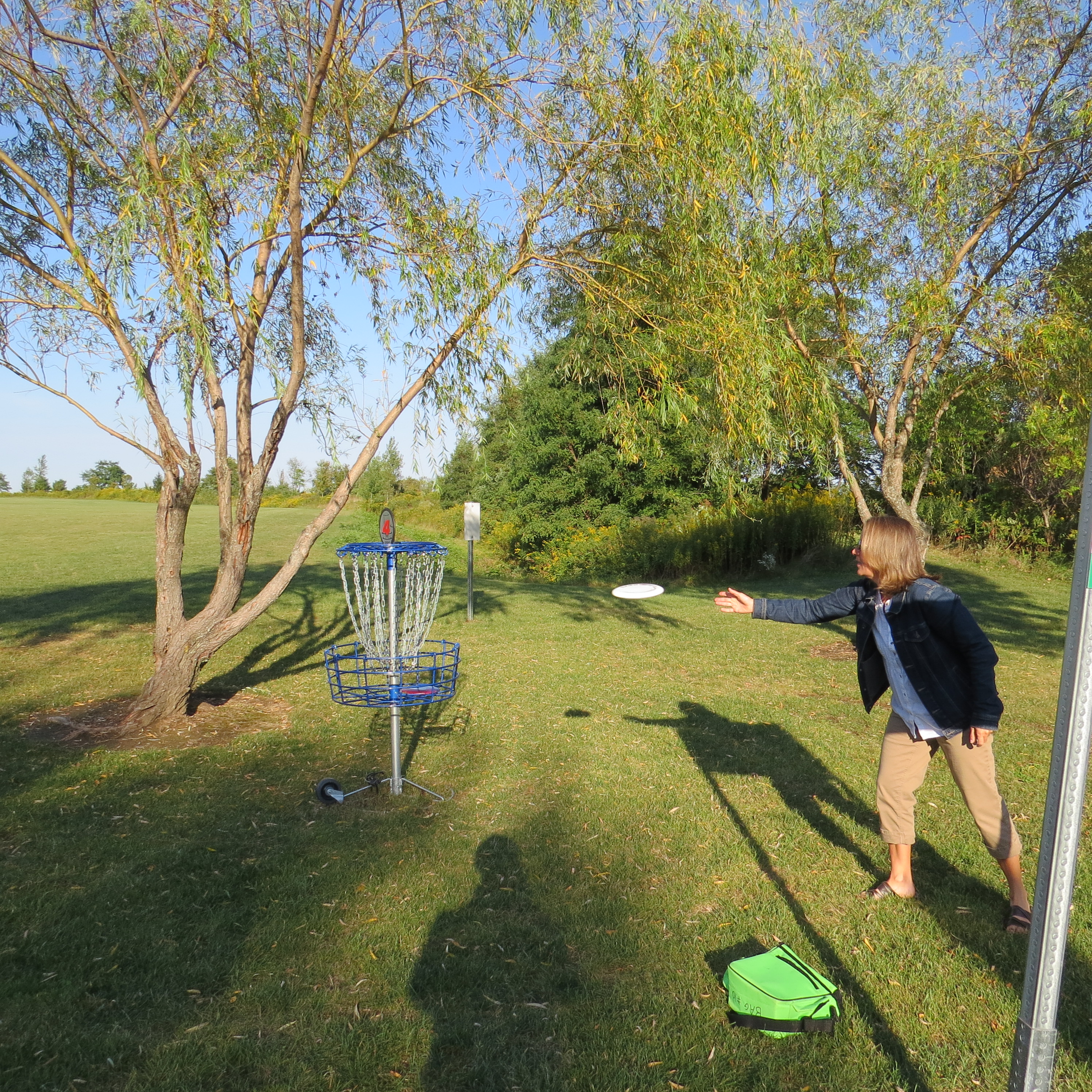
The baskets are targets for a new nine-hole disc golf course that snakes around the perimeter of campus. Disc golf is played much like traditional golf but with flying discs instead of balls and clubs. Players stand near the tee and try to get their disc into the basket in the fewest number of throws.

Student-driven fun

The project was initiated by Kyle Stephan ’14, a former SGA president, who got the ball rolling discs flying, by approaching the Student Activities and Athletics departments to obtain approval, advice, and, eventually, funding to establish a course on campus.

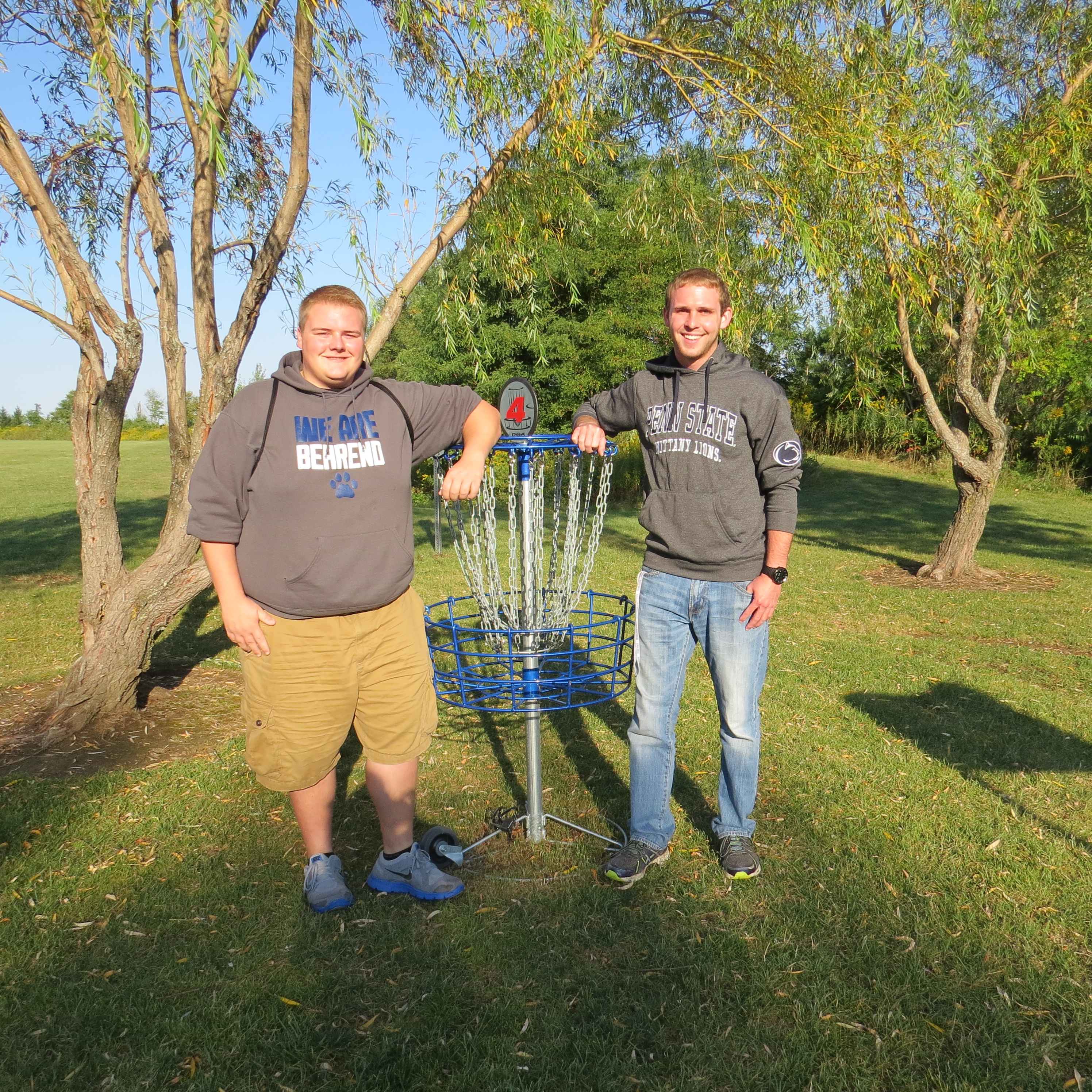
Stephan was joined by Mechanical Engineering majors Trey Neveux and Mark Malecky, and Psychology major Tyler Ferraino, who worked together to design the course, locate equipment, and secure funds.

The students did the majority of the work on the course themselves, with assistance from the Erie Disc Golf Club, the college’s Maintenance and Operations department, and with instruction from Dr. Mike Naber, lecturer in geosciences, on using Geographic Information System (GIS) to layout and measure the course.

IMG_9963

Tyler Ferraino, right, and Trey Neveux.

The course

Though the graphics for the tee markers are still under production, all of the targets/baskets are set and the tee markers (plain white signs) are in place.

The course starts in front of the tennis court/baseball fields near the Jordan road entrance to the college. From there, it snakes around to the old soccer field and then up and around the new track complex before finishing up in the woods across from the track near the bridge to Erie parking lot.

An online map that you can use on your Smartphone while you play can be found here.

Equipment

A basic disc golf set contains three discs—a driver, a mid-range disc, and a putter. Just like in golf, the driver is used for long drives from tee, the mid-range disc is used for shorter distances, and the putter is used when you’re close to the target.

There are at least ten sets of discs available for students to borrow for free at the RUB desk (and Neveux says there are more to come), or you can pick up your own set at a mass retailer or online for less than $30.

How to play/rules

Standing at the tee (currently marked with plain white signs…graphics are in production!), throw your driver disc toward the basket. Players — typically two to four, but more is OK, too — take turns throwing their discs with the one whose disc lands the farthest from the basket going first (like golf).

One point (stroke) is counted each time the disc is thrown and when a penalty is incurred. The goal is to play each hole in the fewest strokes possible. A disc that comes to rest in the basket or chains constitutes a successful completion of that hole.

Most of the holes on Behrend’s course are a par 3, but there are also two par 4s and a par 5. Map here.

The player with the lowest total strokes for the entire course wins.

Learn more about how to play disc golf here.

First-timers take

Neveux and Ferraino spent some time introducing me to the sport on a recent weekday morning.

It was a lot of fun and it wasn’t hard to figure out how to throw the discs to my advantage (most drivers arc left) and when to switch discs to make use of the mid-range and putter discs.

IMG_9962

By the third hole, I had a pretty solid grasp on the sport and enough skill to get the disc in the area I wanted it to be.

Learn more at YouTube, where you can find plenty of videos with tips on disc throwing technique.

Future expansion

Neveux, who serves as president of the Disc Golf club at Behrend, says they are already thinking of expanding.

“We’d like to add another nine holes, so we have an eighteen-hole course,” he said. “We’ve got plenty of space for it on campus.”

And, with the club’s dedication and promotion of the sport, they’re sure to have plenty of players, too.

This slideshow requires JavaScript.